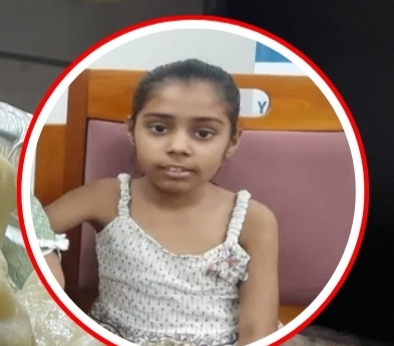
A deeply disturbing case from Burari has brought attention to a growing health crisis among children. A 10-year-old girl, Tanya, suddenly began losing her memory, struggling to perform simple tasks, and eventually found it difficult even to walk. What initially seemed like fatigue quickly turned into a medical emergency, leaving her family in panic as her condition worsened day by day.
Doctors later revealed that her liver had failed, leading to the accumulation of toxic substances in her body. These toxins caused swelling in the brain, severely affecting her neurological functions. She was immediately admitted to the ICU, where her life hung in the balance.
The Hidden Danger Behind Daily Eating Habits
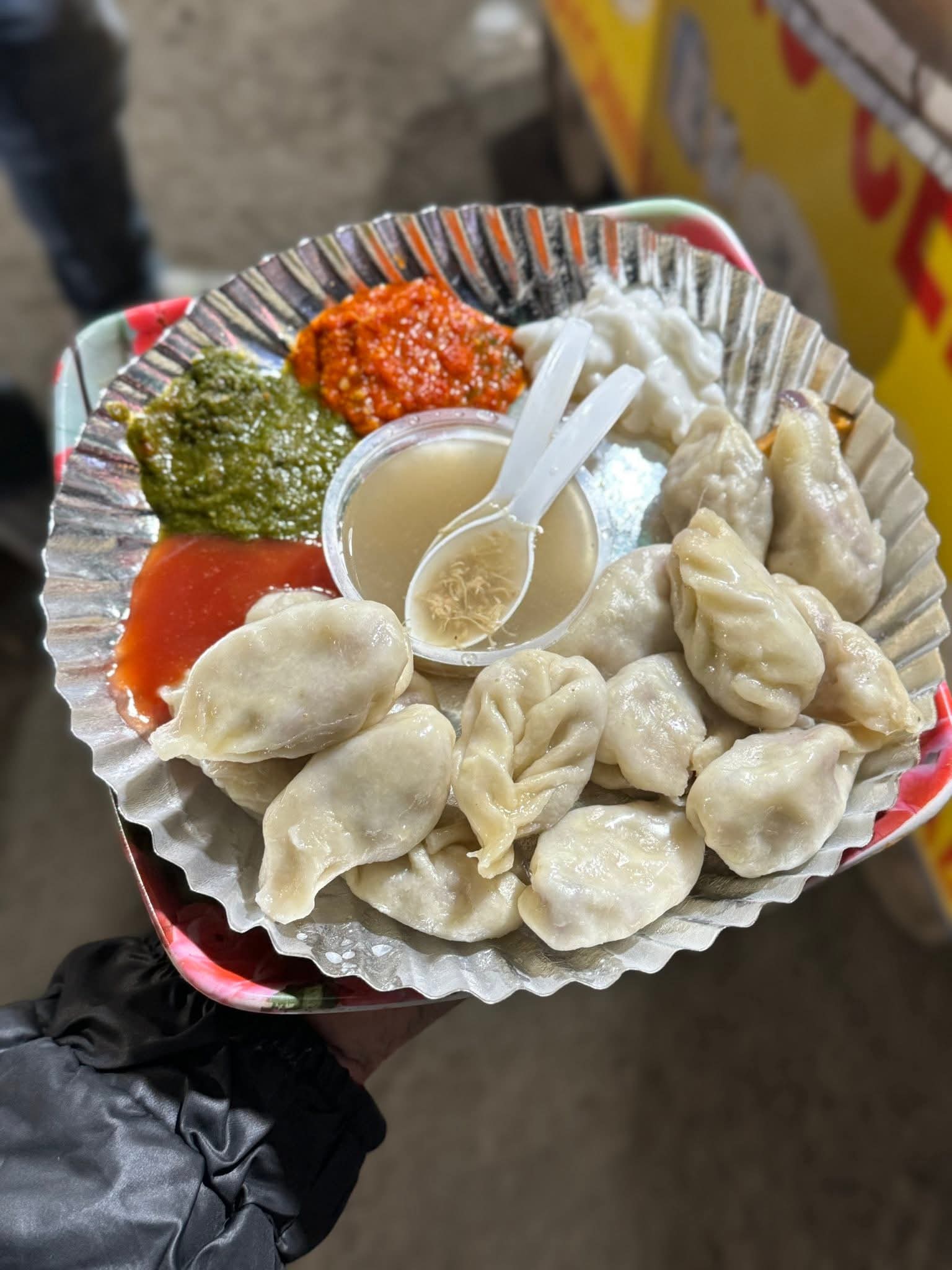
The root cause of her condition was not a single incident, but a pattern that had quietly developed over time. With both parents working long hours, the child often stayed at home after school. During this time, she would frequently take money from her grandfather and buy fast food like momos, chips, and other snacks from outside vendors.
At first, the signs were subtle. She began forgetting small things and felt constantly tired. However, these symptoms gradually intensified, eventually leading to a complete physical breakdown. Medical tests confirmed severe jaundice and liver dysfunction, which had already reached a critical stage by the time she was hospitalized.
A Race Against Time in the ICU
The child was admitted to Yatharth Hospital, where doctors initially feared the worst. Given the severity of her liver failure, a transplant was considered as a possible option. The situation was extremely critical, and the family feared losing their daughter.
However, doctors decided to proceed with plasmapheresis, a specialized treatment that filters toxins from the blood. The procedure proved to be life-saving. Gradually, her condition stabilized, and she began to recover, avoiding the need for a liver transplant.
Doctors Raise Red Flag Over Children’s Health in Delhi
Medical experts say this case is not an isolated one. According to Dr. Shailesh Sharma, a concerning number of children in Delhi are showing early signs of fatty liver disease. He estimates that nearly 35 percent of children are affected by this condition, which was once considered rare at such a young age.
He explained that the primary reasons include excessive consumption of junk food, increased screen time, and a lack of physical activity. These lifestyle changes are silently damaging children’s health, often going unnoticed until serious complications arise.
Separating Fear from Reality
While the case has led to widespread concern about foods like momos, experts clarify that the issue is not limited to a single item. The real danger lies in repeated consumption of low-quality, unhygienic, or nutritionally poor food combined with an inactive lifestyle.
Unregulated street food may contribute to infections or toxin exposure, but long-term damage such as fatty liver develops gradually. It is the overall pattern of eating and living habits that creates such life-threatening conditions.
A Wake-Up Call for Modern Families
This incident highlights a growing challenge faced by urban families, where children are often left unsupervised due to working parents. In such situations, unhealthy eating habits can develop easily and remain unnoticed until it is too late.
Doctors stress the importance of monitoring children’s diets, encouraging home-cooked meals, and ensuring regular physical activity. Early symptoms like fatigue, weakness, or forgetfulness should not be ignored, as they may indicate deeper health issues.
A Lesson Learned the Hard Way
After surviving a critical medical crisis, the child has now completely stopped consuming outside junk food. For the family, the experience has been life-changing, serving as a harsh reminder of how everyday habits can turn dangerous.
This case is not just a story of recovery — it is a warning. In today’s fast-paced urban life, small choices made daily can silently shape long-term health outcomes, especially for children.