
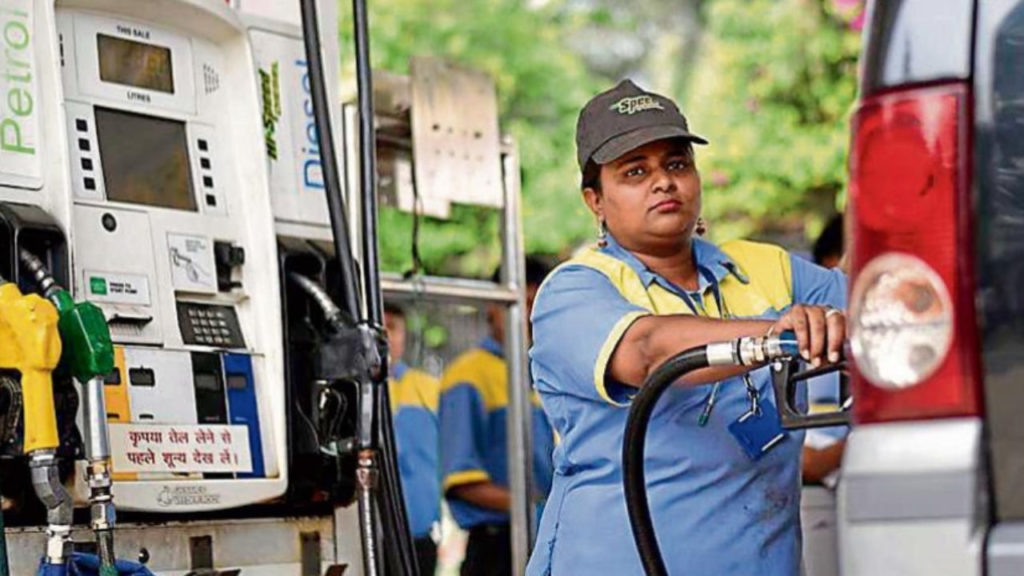
India has achieved a major infrastructure milestone as its petrol pump network crossed the 1 lakh mark, more than doubling in just ten years and making the country the third-largest fuel retail market in the world, after the United States and China.
According to data from the Petroleum Planning & Analysis Cell (PPAC) under the Ministry of Petroleum, India had 1,00,266 petrol pumps as of November 2025. In 2015, this number stood at just 50,451, highlighting the scale and speed of expansion driven largely by state-owned fuel retailers.
Rural Reach and Highway Push Drive Growth
The rapid growth reflects India’s rising vehicle ownership, expanding highway network, and a strategic push to improve fuel accessibility in rural and semi-urban areas. Nearly 29% of petrol pumps are now located in rural regions, up from 22% a decade ago, ensuring better last-mile connectivity for farmers, transporters, and daily commuters.
Fuel stations are no longer just about petrol and diesel. Many outlets now offer CNG, EV charging stations, convenience stores, and digital payment facilities, signalling a shift towards multi-energy and mobility hubs.
State-Owned Companies Dominate the Market
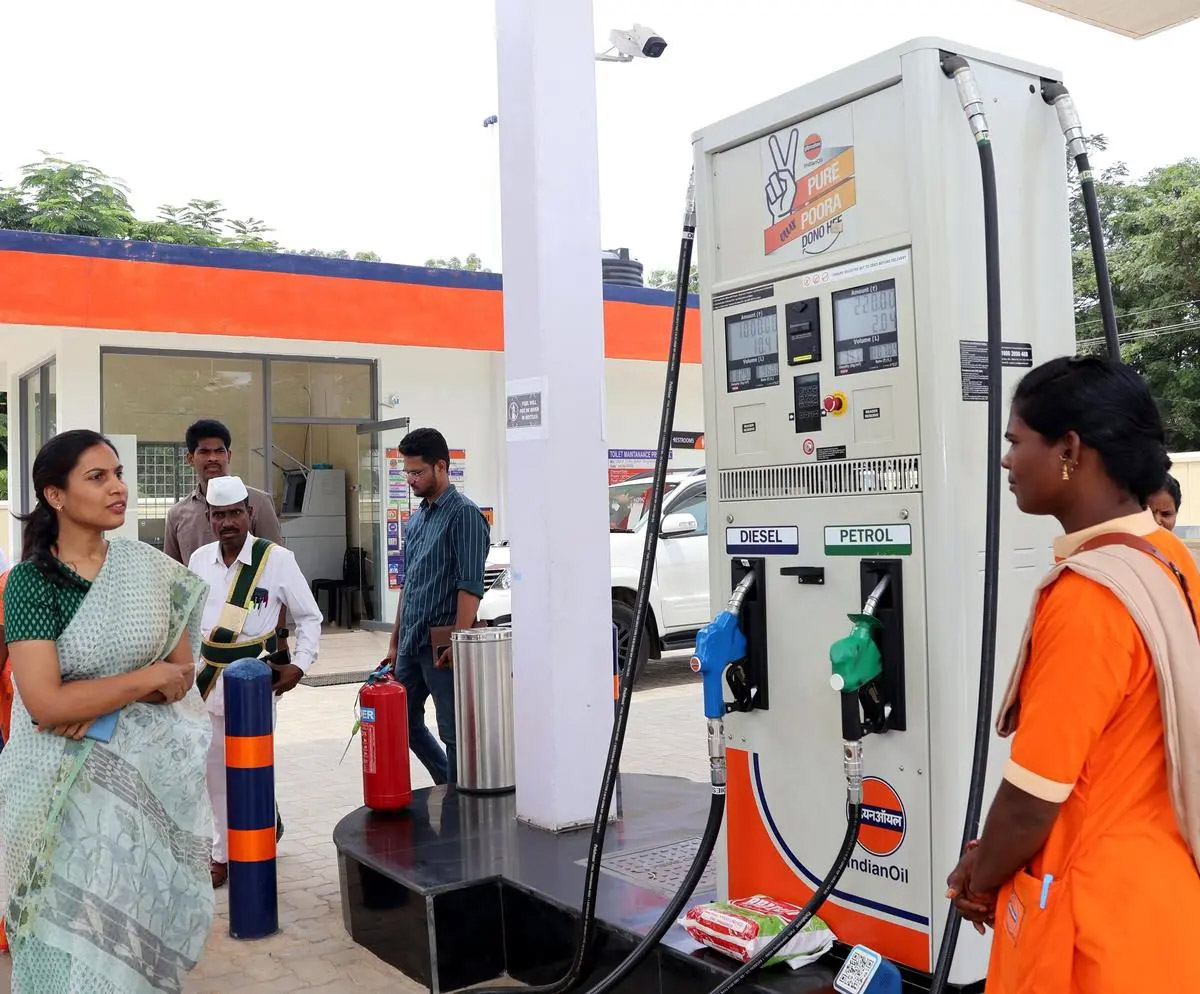
Over 90% of India’s petrol pumps are operated by public sector oil companies, with Indian Oil Corporation (IOC) leading the pack with over 41,600 outlets. Bharat Petroleum (BPCL) and Hindustan Petroleum (HPCL) follow closely with more than 24,000 stations each.
Among private players, Nayara Energy (backed by Russia’s Rosneft) is the largest, operating nearly 7,000 outlets, followed by a Reliance-BP joint venture. Shell maintains a smaller but premium presence with over 300 stations.
Why Private Players Still Lag Behind
Despite market liberalisation, private participation remains limited. Industry experts point to government control over fuel pricing as a key challenge. Although petrol and diesel prices were officially deregulated, state-owned firms halted daily price revisions in 2021, impacting private retailers’ profitability.
Additionally, the rapid increase in pump density has reduced per-outlet fuel sales in some areas, making operations less viable on low-traffic routes.
A Marker of India’s Mobility Growth
With rising automobile sales, expanding freight movement, and cleaner fuel adoption, India’s growing petrol pump network mirrors its broader economic and mobility transformation. The milestone underscores the country’s commitment to infrastructure expansion while gradually transitioning towards alternative fuels and electric mobility.
As India moves toward a more energy-diverse future, petrol pumps are evolving—becoming symbols not just of fuel supply, but of connectivity, convenience, and economic progress.