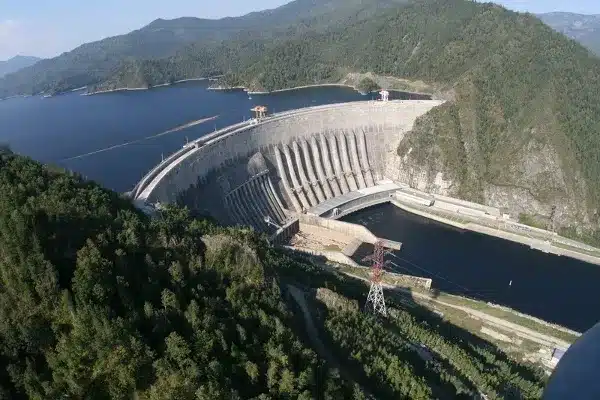
India has begun construction of the Dibang Multipurpose Project (DMP) — set to be the country’s tallest dam at 278 metres — in Arunachal Pradesh’s Lower Dibang Valley. The move comes just months after reports emerged of China’s plans to build the world’s largest hydropower project on the trans-border Yarlung Tsangpo river in Tibet.
With a budget of Rs 31,875 crore and a 91-month deadline, the dam is slated for completion by 2032. The project is led by state-run NHPC Limited and aims to protect India from potential sudden water releases from Chinese dams while boosting renewable power generation.
Powerhouse of the Northeast
Once operational, the Dibang dam will generate 11,223 million units of electricity annually and provide Rs 700 crore worth of free power to Arunachal Pradesh every year. The structure will also create a 1,282 million cubic metre flood-moderation capacity, acting as a vital buffer for Assam and downstream states during monsoon surges.
Chief Minister Pema Khandu and NHPC officials have been visiting the Minli project site to review progress. Khandu reaffirmed the state’s commitment to complete the mega project on time, calling it a “game changer” for Arunachal’s development.
Why Dibang Matters
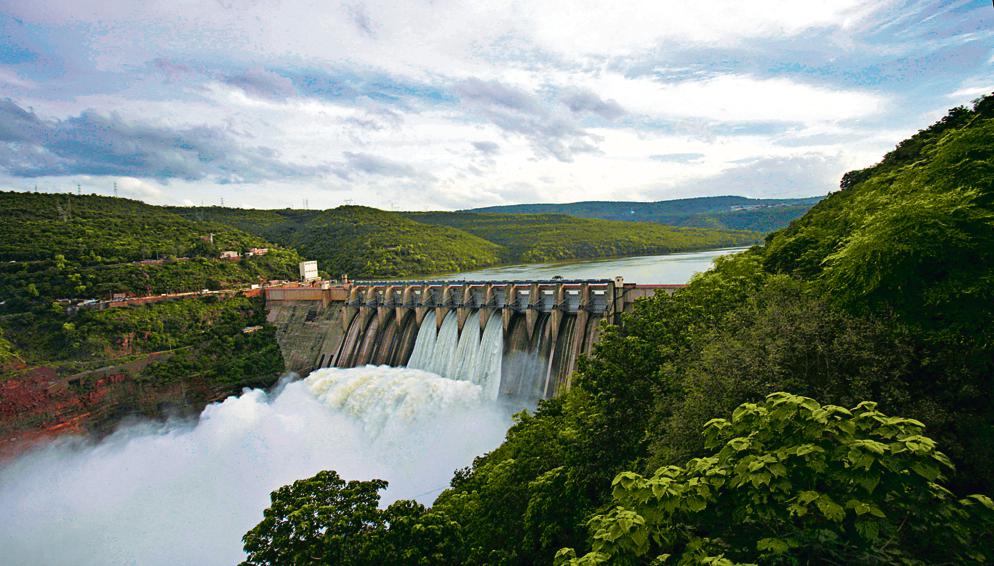
The Dibang River, a major tributary of the Brahmaputra, originates close to the Tibet border and flows through the Dibang Valley before joining the Lohit river in Assam. Because the river system links directly to the Siang and Brahmaputra, the dam is viewed as a form of insurance against any upstream activities by China.
India had earlier expressed concerns to Beijing over mega-dams in Tibet and urged “transparency and consultation” to protect downstream interests.
China’s Massive Hydropower Plan
China’s Motuo Hydropower Station, under construction on the Yarlung Tsangpo, is expected to overtake the Three Gorges Dam as the world’s largest when complete. The project could potentially allow Beijing to control or divert water flows into India and Bangladesh — a key strategic vulnerability for downstream countries.
A Dual Mission: Power + Protection
According to the NHPC bid document, the Dibang Multipurpose Project’s twin goals are “power generation and flood moderation.” By harnessing the Dibang River, India not only gains renewable energy capacity but also strengthens its water security and strategic defence in the Northeast.