

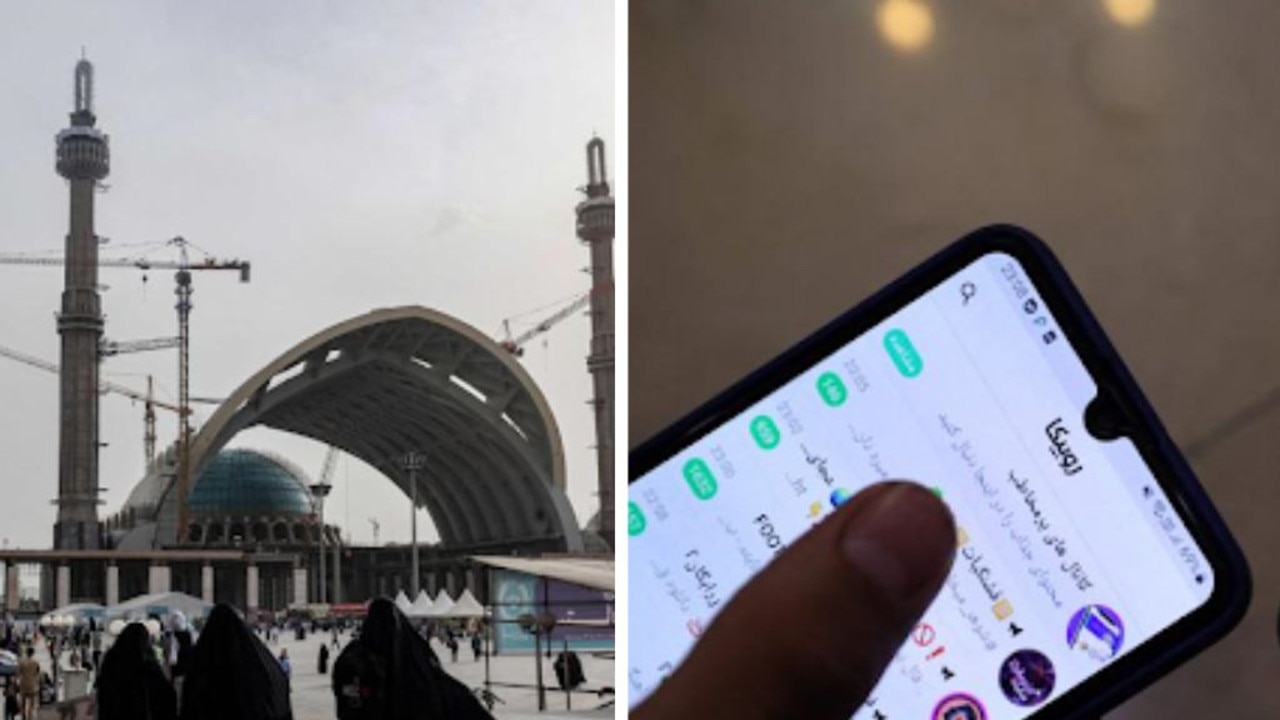
Severe economic distress driven by regional conflict, United States sanctions, and trade blockades is pushing ordinary citizens in Iran to advertise their own body parts and tissues online to pay off debts and cover daily household expenses. An investigation into more than 600 listings posted on a Telegram channel between the final week of May and the end of October revealed offers to sell kidneys, bone marrow, liver segments, testicles, and corneas. The findings highlight how prolonged geopolitical tension and financial isolation are forcing struggling families to consider extreme measures to secure their livelihoods.
According to the analysis conducted by Iran International, roughly one in every three advertisements offered more than one organ or tissue for sale. Kidneys were the most frequently listed organ, appearing in 498 posts. Bone marrow was offered in 279 listings, followed by liver in 51, testicles in 15, and corneas in two. Additionally, 142 advertisements listed both kidneys and bone marrow together, while 26 posts offered a combination of kidney, bone marrow, and liver. Some listings also raised doubts about whether sellers understood the medical realities involved, as one individual offered a testicle alongside multiple organs, claiming he could survive without them, even though several of those procedures are not established transplant options in Iran.
Financial Desperation Drives Sellers Online
Conversations with prospective sellers during the investigation underscored the depth of their financial hardship. One father stated that he was willing to sell vital organs to secure the future of his young daughter, explaining that providing economic stability for his family had become an overwhelming concern. Another man, who previously operated a clothing business, fell into heavy debt after suffering commercial losses and going bankrupt. With multiple checks bouncing, he noted that selling an organ seemed like his only hope to settle at least part of his liabilities.
Other advertisers spoke of living in rented homes for years while struggling to afford basic necessities. A single mother raising two daughters on her own also said she was searching for a buyer for her organ to meet fundamental household expenses.
Sanctions and Blockade Threaten Oil Revenue
The surge in such listings comes as Iran contends with prolonged Middle East conflict, strict American sanctions, and maritime blockades that disrupt trade. US Secretary of State Marco Rubio reportedly indicated during discussions with Group of Seven representatives in Paris that economic pressure and naval blockades could remain in place for an extended period. With no clear timeline for easing tensions between Washington and Tehran, anxiety among citizens continues to mount.
Tehran-based economist Isaac Sadian warned that if the economic blockade drives Iran’s oil revenues close to zero, the government could face its most severe financial crisis in recent history. Beyond depleting foreign exchange reserves, such a shortfall would make it difficult for authorities to pay public sector salaries and pensions, maintain essential supply chains, and control inflation. While President Masoud Pezeshkian’s administration has prepared for long-term sanctions and officials have dismissed fears of an imminent economic collapse, public purchasing power remains under heavy strain.
Military Tensions Compound Humanitarian Strain
Alongside economic isolation, the threat of military confrontation persists between Iran and the United States. Iran’s Islamic Revolutionary Guard Corps claimed responsibility for drone strikes targeting a US air defense radar facility in Bahrain, while maritime security tensions have escalated near the Strait of Hormuz. Iranian forces also reported fires aboard oil tankers after they struck naval mines. Caught between trade restrictions, inflation, and regional hostilities, ordinary Iranians face worsening living conditions, with the online organ market serving as a stark indicator of the crisis.

