

A global scientific study has triggered serious concerns about the safety of bottled drinking water, raising uncomfortable questions for India’s top food safety watchdog, the Food Safety and Standards Authority of India (FSSAI).
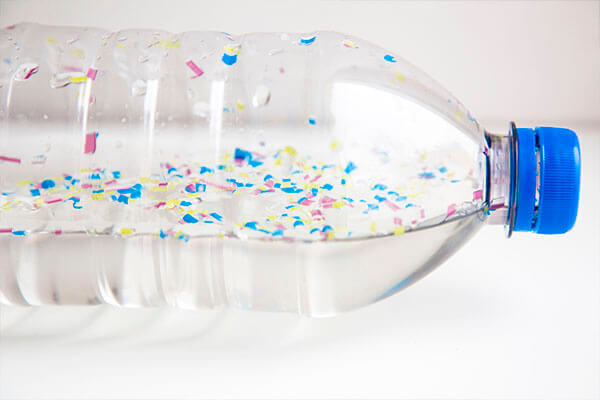
Research conducted by scientists from New York State University has revealed that 93% of bottled water samples tested worldwide contained plastic microparticles, in some cases at levels higher than ordinary tap water. The findings challenge the long-held belief that packaged drinking water is the safest option for consumers.
What the Study Found
The study tested 259 bottled water samples from 11 major brands across 9 countries, including globally popular names such as Bisleri and Aquafina. Advanced laser-based technology detected microscopic plastic particles—many invisible to the naked eye—floating in the water people consume daily.
According to the researchers:
●Bottled water often contained more microplastics than tap water
●Plastic particles likely entered water through bottles, caps, and packaging processes
●Repeated exposure could pose long-term health risks, though research is ongoing
Why This Matters
Microplastics are known to carry toxic chemicals and may enter the human bloodstream, potentially affecting hormones, immunity, and vital organs. Despite growing global concern, regulatory action in India appears limited.
This has led to a direct and uncomfortable question for FSSAI:
●If bottled water is marketed as the safest drinking option, how are plastic microparticles entering it in such large quantities?
Questions FSSAI Must Answer
◆Has FSSAI issued any public health advisory after such studies?
◆Were independent tests conducted on Indian bottled water brands?
◆Has any brand been suspended or penalised?
◆Are current safety standards adequate to detect microplastics?
So far, there has been no clear nationwide alert, recall, or enforcement action.
Licence Provider or Health Protector?
Critics argue that FSSAI has increasingly become a licensing authority rather than an active consumer health guardian. While research continues to flag risks, on-ground monitoring, strict testing protocols, and transparency remain questionable.
With bottled water consumed daily by millions of Indians—including children—the absence of decisive action raises fears that public health is being compromised in favour of industry convenience.
As scientific evidence mounts, one question grows louder:
Is India’s food safety regulator protecting consumers—or protecting the industry?