

For generations, a deeply rooted belief has shaped property disputes in Indian households: once a daughter gets married, she loses her right over her father’s property. This assumption, passed down socially rather than legally, has kept countless women away from their rightful inheritance.
But the truth, as defined by Indian law, is very different.
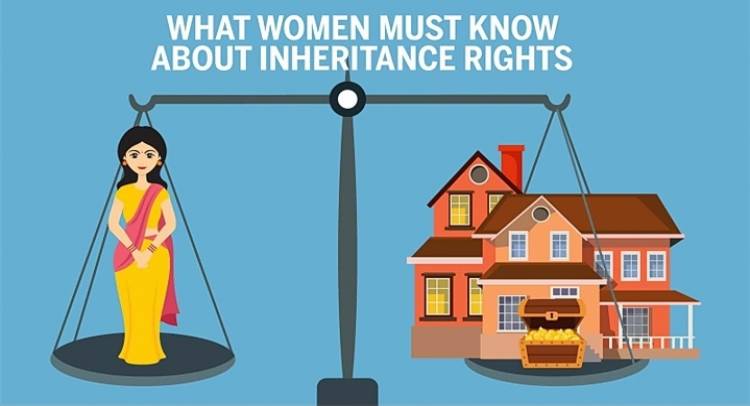
Under the Hindu Succession (Amendment) Act, 2005, a daughter—married or unmarried—has exactly the same rights as a son in her father’s ancestral property. The amendment marked a historic shift in inheritance laws and aimed to correct decades of gender-based discrimination.
What the Law Clearly States
The 2005 amendment to the Hindu Succession Act, 1956, made daughters coparceners by birth. In simple terms, this means:
●A daughter acquires a legal right in ancestral property from the moment she is born.
●Marriage does not cancel or reduce her share.
●She has the right to demand partition of ancestral property.
●Her rights and liabilities are identical to those of a son.
●She can even become the Karta (manager) of a Hindu Undivided Family (HUF).
This applies regardless of whether the daughter lives with her parents, has moved to her matrimonial home, or is financially independent.
Why This Change Was Crucial
Before 2005, daughters were largely excluded from ancestral property rights, leaving many women financially vulnerable. Property ownership is not just about wealth—it is about security, dignity, and independence.
By granting daughters equal inheritance rights, the law strengthened women’s position in families and society. It also addressed situations where women were left dependent on marital families or denied assets they were legally entitled to.
Supreme Court’s Clear Stand
The Supreme Court of India has repeatedly clarified that a daughter’s right is absolute, regardless of whether her father was alive when the amendment came into force. Courts have emphasized that equality in inheritance is not optional—it is mandatory under the law.
Why Many Women Still Don’t Claim Their Rights
Despite legal clarity, experts say many women hesitate to assert their rights due to:
●Social pressure and fear of family conflict
●Emotional manipulation in the name of tradition
●Lack of awareness about the law
●Misleading advice from relatives
As a result, many daughters continue to give up their share voluntarily—often without realizing the long-term financial consequences.
A Step Toward Real Gender Equality
The Hindu Succession (Amendment) Act, 2005 is more than a legal reform—it is a statement of India’s commitment to gender justice. True equality begins when daughters are treated as equal stakeholders in family assets, not as outsiders after marriage.
Legal awareness is the first step. For families planning property distribution and for daughters questioning their rights, understanding the law is essential—not to create disputes, but to ensure fairness.
Because equality, once granted by law, should not be denied by tradition.