
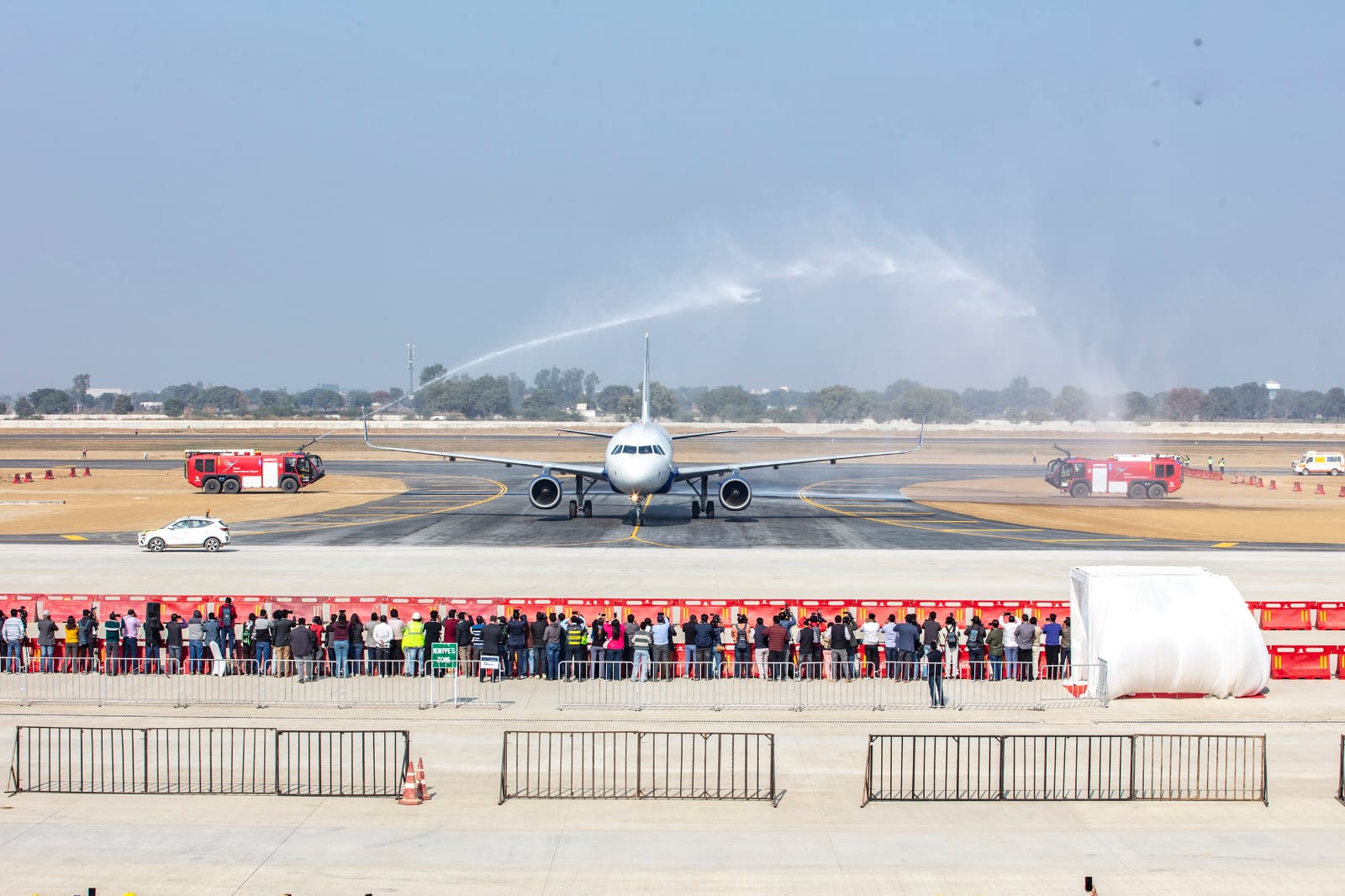
The Noida International Airport, being developed near Jewar in Gautam Budh Nagar district, has entered its final phase of operational preparedness, marking a significant step towards becoming the National Capital Region’s next major aviation hub. The greenfield airport is expected to play a crucial role in reducing congestion at Delhi’s Indira Gandhi International Airport while boosting regional connectivity and economic growth.
Officials associated with the project said that a substantial portion of construction has already been completed, with core airside infrastructure such as the runway, taxiways and apron areas now largely ready. Attention has shifted to finishing terminal-related works, including interior fit-outs, security installations and passenger processing systems.
Operational Readiness Process Underway
The airport has initiated a comprehensive operational readiness programme, which includes system testing, mock drills and coordination exercises involving airlines, ground-handling agencies, security personnel and emergency response teams. These activities are designed to ensure that all operational systems function smoothly once flight services begin.
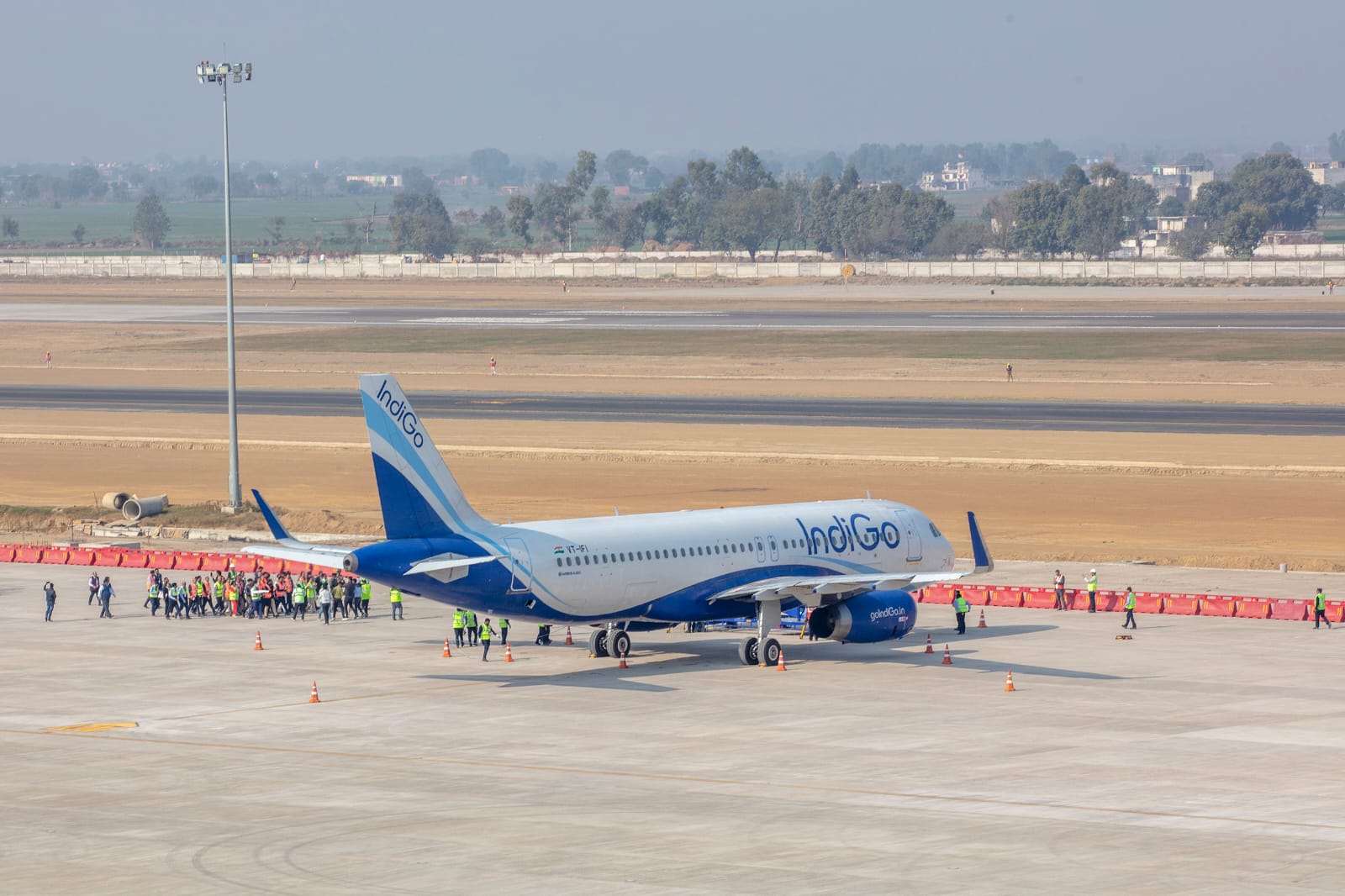
Trial aircraft movements and validation exercises have already been conducted successfully, helping authorities assess runway performance, air traffic coordination and safety procedures. More such trials are planned as part of the final checks before commercial operations commence.
Airport officials noted that this phase is critical for identifying and addressing any operational gaps. “The focus is now on ensuring seamless passenger movement, efficient baggage handling and strict adherence to safety protocols,” an official said.
Phased Start of Flight Operations
According to the operational plan, flight services will begin in a phased manner. Initial operations are expected to focus on domestic passenger and cargo services, followed by international connectivity at a later stage. In the early phase, the airport is projected to handle several million passengers annually, with capacity expanding steadily in subsequent years.
Once fully developed across multiple phases, the airport will feature six runways and will be capable of handling tens of millions of passengers every year, positioning it among the largest airports in Asia.
Project Delays and Accountability
While the project has made significant progress, it has also faced delays since construction began. Factors such as the global pandemic, supply chain disruptions and shortages of key construction materials slowed execution at various stages.
Under the concession agreement, the private operator developing the airport has been subject to financial penalties for delays beyond the originally agreed timelines. Authorities have maintained that strict monitoring continues to ensure timely completion of the remaining works.
Connectivity and Supporting Infrastructure
The airport is being integrated with major road networks, including the Yamuna Expressway and other arterial corridors, ensuring smooth access from Delhi and neighbouring districts. Plans are also in place for rail-based connectivity, public transport services and last-mile mobility solutions to support passenger movement.
On the infrastructure front, facilities such as aero-bridges, clean energy systems, advanced runway maintenance technology and smart lighting have been incorporated to meet modern aviation standards. The airport has also received its international aviation code, signalling readiness for global operations.
Economic Boost for NCR
Industry experts believe the Noida International Airport will act as a catalyst for industrial development, logistics growth and tourism across Noida, Greater Noida and the wider NCR region. With operational readiness nearing completion, the airport is set to emerge as a key driver of economic transformation in northern India.