
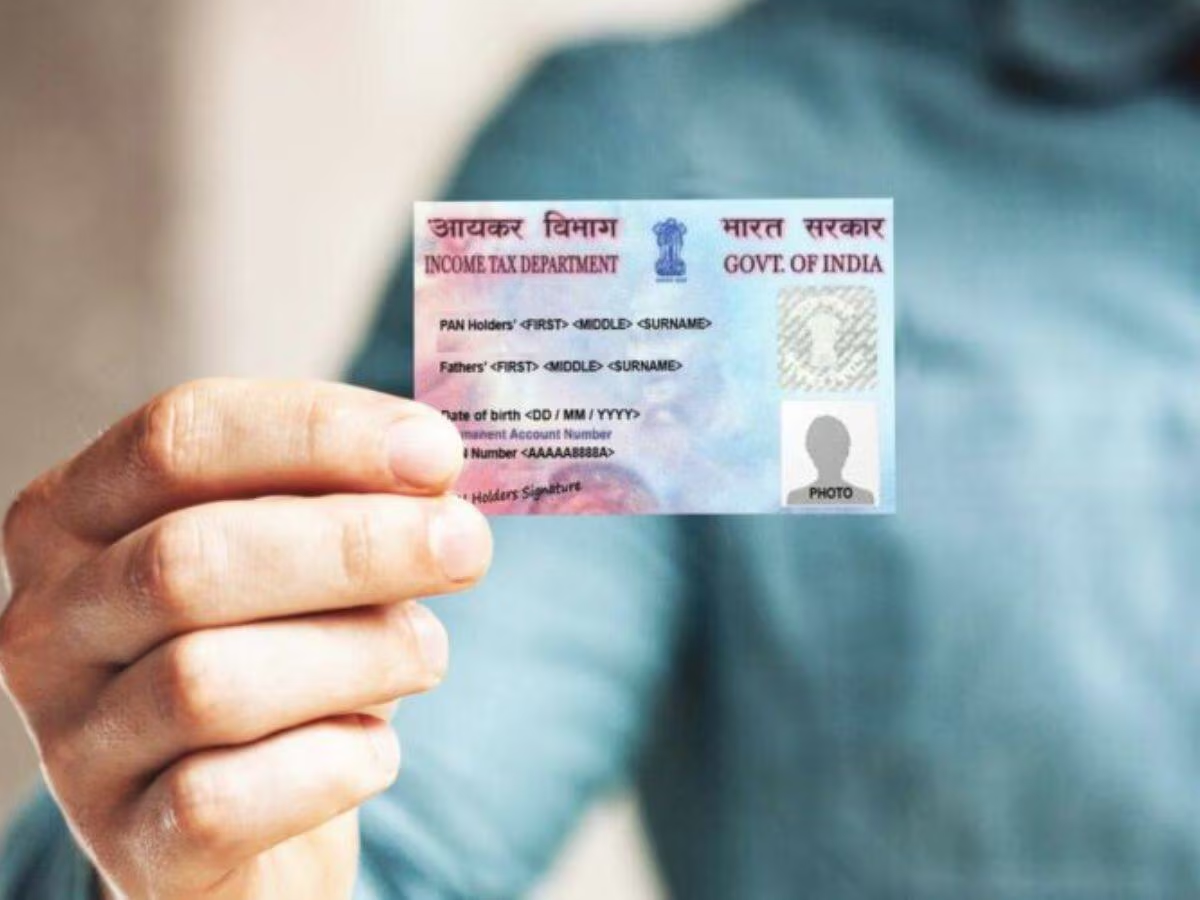
A sudden EMI reminder, persistent recovery calls, or an unexpected dip in your credit score can be alarming—and for many Indians, these are the first signs that a loan has been fraudulently taken in their name. With the rapid rise of digital lending platforms, misuse of PAN and Aadhaar details has emerged as a growing financial threat.
Experts warn that fraudsters often exploit casually shared identity documents, unsecured phone storage, or repeated KYC uploads across apps to secure instant loans. Once approved, the burden falls on unsuspecting citizens to prove they never borrowed the money.
If you suspect identity misuse, swift action is critical. Here’s a step-by-step guide to limit damage and restore your financial record.
Start With Your Credit Report, Not Recovery Calls
The first step is verification—not confrontation. Download your credit reports from all four bureaus: CIBIL, Experian, Equifax and CRIF High Mark. Fraudulent loans may appear on only one report, as lenders do not always report to every bureau.
Your credit report will reveal the lender’s name, loan account number, disbursal date, outstanding amount and repayment status—details essential for building a strong case.
Inform the Lender in Writing and Mark the Loan as Disputed
Immediately email the concerned bank or NBFC through its official grievance channel. Clearly state that the loan is unauthorised and your identity has been misused. Request copies of the KYC documents and verification method used to approve the loan.
Ask the lender to mark the account as “fraudulent” and “under dispute”, which helps pause recovery calls and prevents further damage to your credit profile during investigation. Maintain written records of all communication.
File a Cybercrime Complaint and Police Report
Register a complaint on the National Cyber Crime Reporting Portal and file a written complaint or FIR at your local police station. This step is crucial—even for small loan amounts.
A police acknowledgment strengthens your case with lenders and credit bureaus and provides legal protection if recovery pressure continues.
Raise Disputes With Credit Bureaus
Simultaneously dispute the fraudulent loan with all credit bureaus where it appears. Attach copies of your complaint to the lender and police acknowledgment. Request the account be marked as “disputed” pending investigation.
Once fraud is confirmed, bureaus are required to remove the loan entry and restore your credit score.
Lock Aadhaar Biometrics and Secure Your Identity
If Aadhaar was used for KYC, immediately lock your biometrics via the UIDAI portal and review your authentication history for suspicious activity.
Since PAN cannot be locked, prevention is key. Use masked Aadhaar wherever possible, avoid storing document images on messaging apps, and share identity documents only with verified institutions.
Alert Your Bank and Watch for Repeat Fraud
Inform your primary bank about the identity misuse and request heightened monitoring of your profile. Experts note that once personal data is compromised, repeat fraud attempts are common.
Escalate If the Lender Fails to Act
If recovery calls continue or the lender does not respond, escalate through its internal grievance hierarchy. If unresolved, approach the RBI’s grievance redressal system or the relevant ombudsman, depending on the lender type.
Treat PAN and Aadhaar like financial passwords. Regular credit monitoring, limited document sharing, and immediate action at the first sign of misuse remain the strongest defence against identity-based loan fraud.