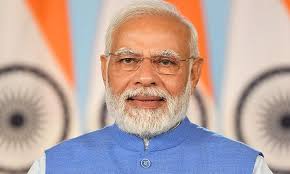
Prime Minister Narendra Modi’s 75th birthday was marked not just by celebrations but by renewed conversations about his journey — from a tea seller’s son in Gujarat to one of the most recognizable leaders on the global stage. His rise, critics and admirers alike say, is emblematic of India’s shifting aspirations, youthful energy, and ambition to be heard as a global power.
From Humble Beginnings to Political Ascent
Born in 1950 in Gujarat, Modi’s early life was far removed from the trappings of power. Helping his father at a railway tea stall, he absorbed lessons of discipline, endurance, and service that would later define his political style. His long association with the Rashtriya Swayamsevak Sangh gave him an ideological foundation, while his early stints in Gujarat politics prepared him for the national stage. By 2014, he had become India’s first prime minister born after independence, ushering in a period marked by ambitious reforms and assertive diplomacy.
Youth Icon in a Rapidly Changing India
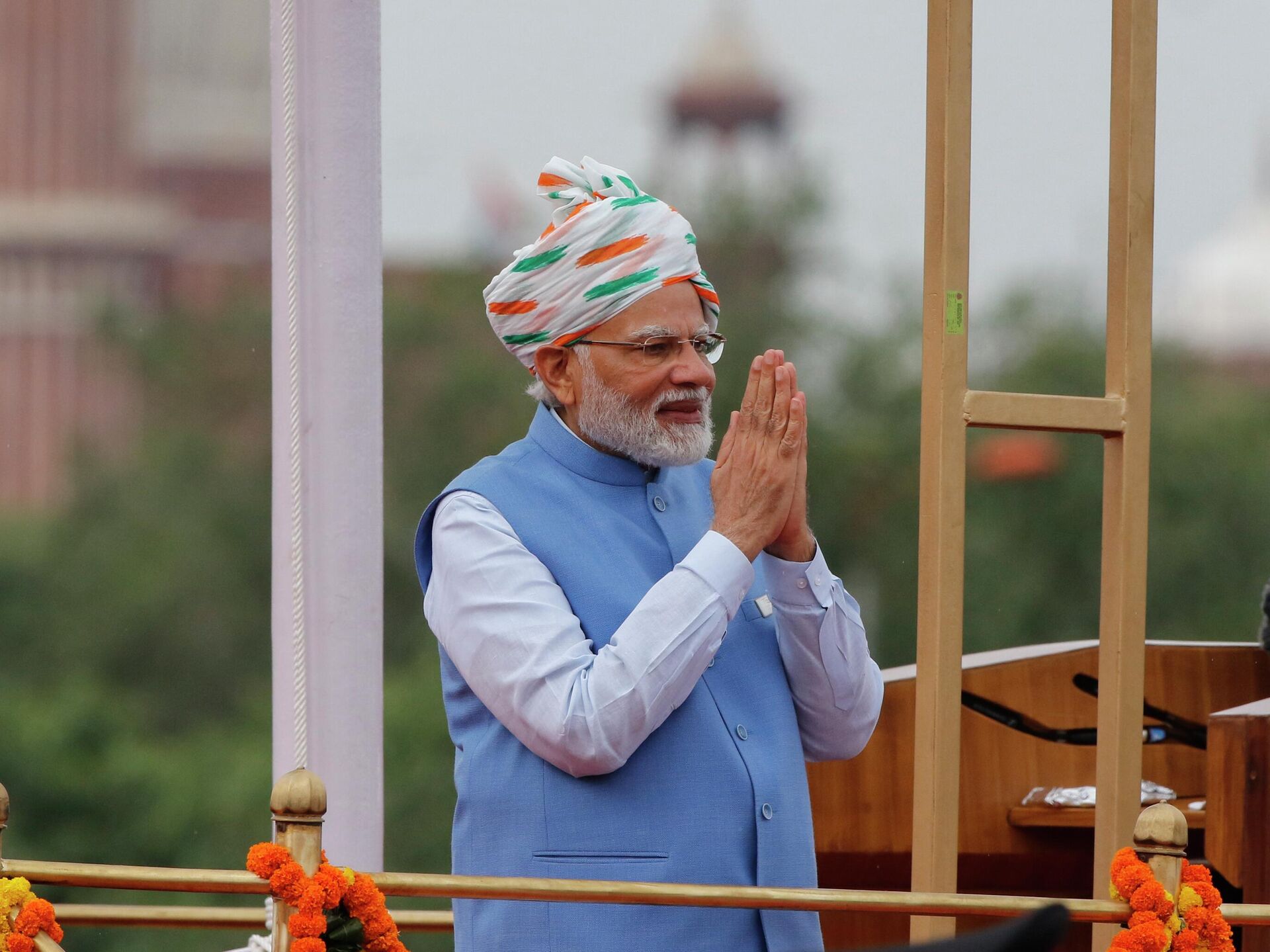
Much of Modi’s political brand has centered on the youth, a demographic that constitutes the largest share of India’s population. Initiatives such as Digital India, Startup India, and Skill India have been presented as pathways to opportunity for a generation impatient for change. His speeches, often peppered with appeals for self-reliance and innovation, aim to resonate with young Indians who see him as both relatable and aspirational — a leader who rose from modest origins yet speaks in the vocabulary of ambition.
Global Recognition and Diplomatic Reach
Over the past decade, Modi has positioned himself as one of the world’s most visible leaders. From standing ovations at U.S. Congress to bilateral partnerships with nations from Australia to the Gulf, his presence on the global stage has been difficult to ignore. International honors and awards have amplified this image, framing him as a leader whose influence extends far beyond India’s borders. Supporters argue that this global visibility has helped elevate India’s voice in debates on climate change, technology, and security, while critics caution against the risks of over-personalized diplomacy.
Leadership at a Crossroads
At 75, Modi remains both a polarizing and commanding figure. To his admirers, he embodies resilience, vision, and India’s rising self-confidence. To detractors, his governance raises questions about pluralism, dissent, and institutional balance. Yet, even his critics concede that his ability to mobilize and inspire remains formidable. For India’s youth, his birthday is not merely a marker of longevity but a reminder of the complex demands of leadership — balancing ambition with inclusion, and nationalism with global responsibility.