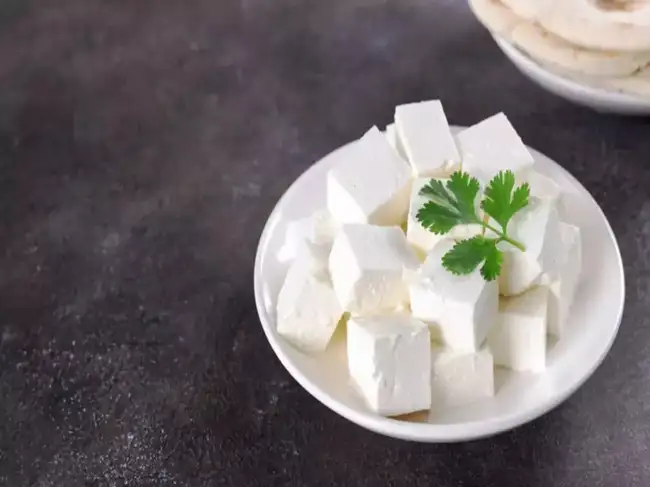
Paneer is not just food — it’s a daily staple in millions of Indian homes. From home kitchens to restaurants, it’s trusted, loved, and widely consumed.
But behind this everyday comfort food, a disturbing reality is emerging. Cases of fake and adulterated paneer are rising, where what looks fresh and healthy may actually be synthetic, low-quality, or even harmful.
The challenge is simple — fake paneer looks almost identical to real paneer.
The solution? Knowing how to identify it.
Test 1: The Texture Test — Feel the Truth
The first sign of real paneer is how it feels in your hand.
Gently press a cube of paneer between your fingers. Real paneer will feel soft, slightly crumbly, and moist, breaking easily under pressure. It has a natural grainy structure because it is made from milk solids.
Fake paneer behaves very differently. It feels rubbery, elastic, and spongy, often bouncing back when pressed instead of breaking. This unnatural texture is usually due to the presence of starch or synthetic fats.
If your paneer stretches or resists pressure like rubber — it’s a warning sign.
Test 2: The Smell & Taste Test — Trust Your Senses
Pure paneer carries a mild, fresh, milky aroma. It smells clean and natural.
When you taste it, the flavor is subtle and slightly creamy, without any sharp or artificial aftertaste.
Fake paneer often gives itself away through smell. It may have an oily, sour, or chemical-like odor, especially when heated. On tasting, it can feel bland, slightly bitter, or unusually greasy.
Your senses are powerful — if something feels “off,” it probably is.
Test 3: The Cooking Test — Watch How It Reacts to Heat
Cooking reveals the real character of paneer.
When real paneer is heated, it becomes soft, juicy, and absorbs spices beautifully. It remains tender even after cooking.
Fake paneer reacts differently. It often turns hard, chewy, or overly stretchy. Instead of blending with the dish, it feels like a separate, artificial element in the mouth.
If your paneer becomes rubbery after cooking, it’s likely not pure.
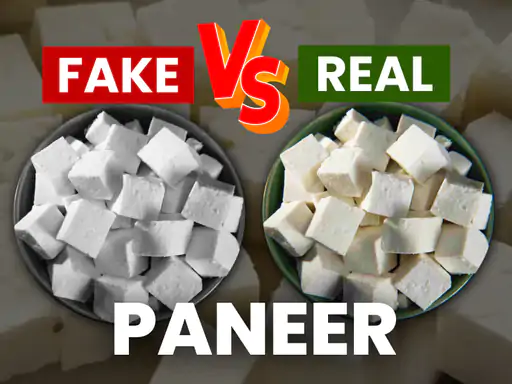
Test 4: The Iodine Test — A Simple Home Science Check
This is one of the easiest ways to detect adulteration at home.
Take a small piece of paneer and add a few drops of iodine solution. If the paneer turns blue or black, it indicates the presence of starch — a common ingredient in fake paneer.
Pure paneer will not change color in this test.
While this test doesn’t detect all types of adulteration, it is a quick and reliable indicator of compromised quality.
Why Fake Paneer is Dangerous
The issue is not just about taste — it’s about health.
Fake paneer is often made using refined oil, starch, detergents, or low-grade chemicals, which can harm your body over time. Regular consumption may lead to digestive problems, food poisoning, and stress on vital organs like the liver and kidneys.
For children and elderly people, the risk is even higher.
The Smart Consumer’s Approach
You don’t need to stop eating paneer — you need to start questioning it.
Buy from trusted sources. Observe before you consume. Pay attention to texture, smell, and behavior while cooking.
Because in today’s food world, what looks pure is not always pure — and awareness is your best protection.