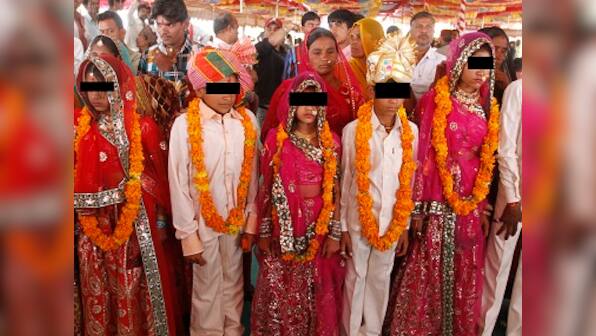
A shocking gap between official records and ground reality has emerged in Gwalior, where an investigation has revealed that hundreds of minor girls have already become mothers, even as government data continues to report zero cases of child marriage.The findings raise serious questions about data accuracy, reporting mechanisms, and the effectiveness of laws meant to protect children.
Numbers That Tell a Different Story
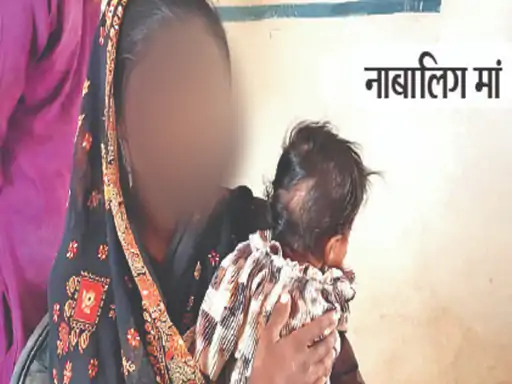
According to the investigation, at least 354 minor girls have given birth in the region. These cases, recorded through hospital and health data, directly contradict official claims that child marriage does not exist in the district.The contradiction is glaring. If minors are becoming mothers, it points to either child marriages, exploitation, or serious gaps in monitoring — none of which are reflected in official records.
Where Is the System Failing?
The absence of reported cases suggests a deeper systemic issue. It raises the possibility that cases are either not being registered, deliberately ignored, or slipping through administrative cracks.Child marriage is illegal under Indian law, yet enforcement often depends on reporting at the local level. When data shows zero, it creates a false sense of control — masking the reality on the ground.
Beyond Numbers: A Human Crisis
Behind these numbers are young girls whose childhoods have been cut short. Early motherhood brings serious health risks, emotional trauma, and loss of education and opportunities.Experts have long warned that child marriage leads to higher maternal health complications, poverty cycles, and social inequality, making it one of the most critical social issues in India.
Silence, Stigma, and Underreporting
One of the biggest challenges in addressing child marriage is silence. Families often avoid reporting such cases due to social pressure, fear, or normalization of early marriage in certain communities.This silence contributes to underreporting, allowing the problem to persist while official data continues to paint a misleading picture.
Accountability and the Way Forward
The findings have intensified calls for accountability. Experts stress the need for stronger coordination between health departments, child protection agencies, and law enforcement to ensure that such cases are identified and acted upon.Without accurate data and strict enforcement, policies remain ineffective, and vulnerable children continue to suffer unnoticed.
A Reality That Cannot Be Ignored
This case from Gwalior is not just about numbers — it is about a system that may be failing to acknowledge a serious social issue.
When official records say “zero,” but reality tells a different story, the question is not just about data — it is about accountability, awareness, and the protection of children’s rights.