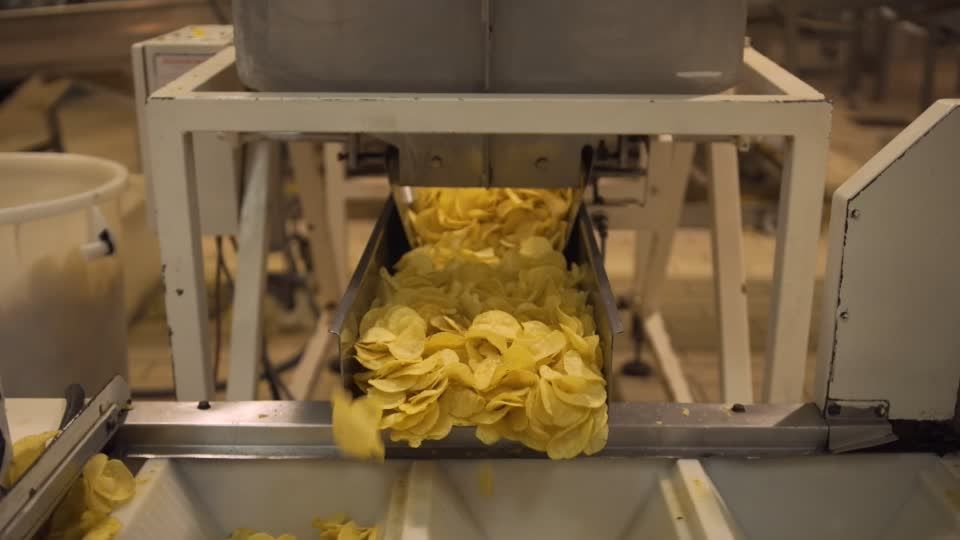
A shocking and disturbing narrative circulating online has sparked outrage and discomfort among consumers, raising serious questions about the hygiene behind everyday snack foods.The claim paints a grim picture of how something as common as chips — a favorite across households — could be prepared in deeply unhygienic conditions. The message has spread rapidly, tapping into growing public anxiety around food safety and quality.
When Everyday Food Turns into a Fear
For many people, chips are not just a snack — they are a routine indulgence, something consumed without a second thought. But viral claims like these have begun to change that perception.Suddenly, what was once a harmless packet of crunch has become a subject of suspicion. Consumers are questioning what goes on behind the scenes, far away from glossy advertisements and sealed packaging.
A Growing Crisis of Trust in Food Systems
This episode reflects a deeper issue — a widening gap between consumers and the systems meant to ensure food safety.Over time, repeated reports and viral content around adulteration, poor hygiene, and fake products have eroded confidence. Whether proven or not, such narratives resonate because they align with an existing fear: can we really trust what we eat?
Fear Spreads Faster Than Facts
The speed at which such content spreads highlights the power of digital platforms in shaping public perception. A single disturbing message can travel across cities and states within hours, influencing millions.The emotional impact — disgust, anger, fear — makes such claims even more powerful, often leaving a lasting impression regardless of verification.
Beyond One Claim: A Wake-Up Call
While this specific narrative continues to circulate, it has triggered a broader conversation about hygiene, accountability, and transparency in food production.Consumers today are more alert than ever. They are demanding better standards, stricter checks, and greater assurance that what reaches their plate is safe.
The Real Question Consumers Are Asking
At the heart of the outrage is not just one viral claim — it is a larger concern about food safety in everyday life.
People are no longer just buying products. They are asking questions. They are watching closely. And they are expecting answers.
Because when it comes to food, trust once shaken is not easily rebuilt.