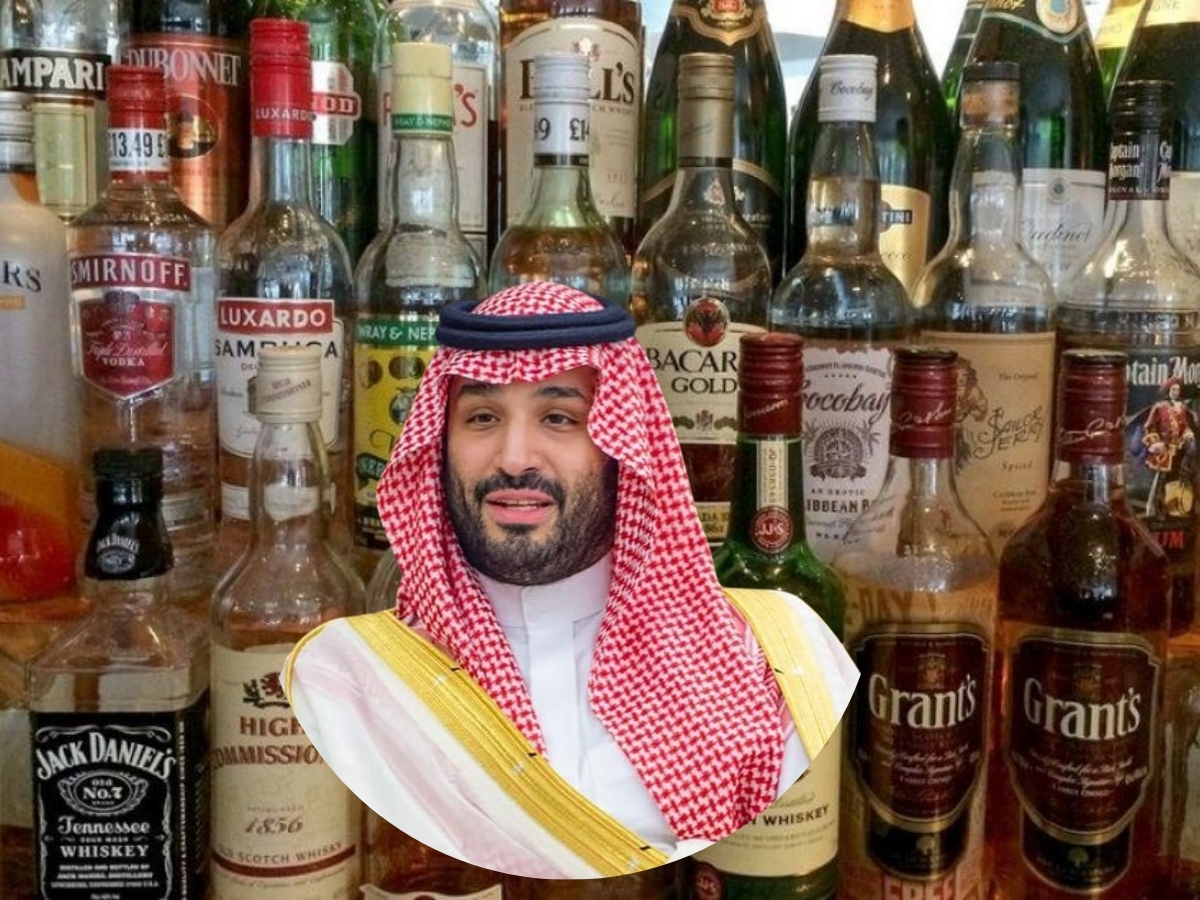
In what could become one of the most dramatic social policy shifts in decades, Saudi Arabia is reportedly preparing to ease its long-standing ban on alcohol—potentially allowing select non-Muslim residents to legally purchase liquor for the first time in the kingdom’s modern history.
Sources cited by Bloomberg indicate that the proposed change would extend alcohol access beyond diplomats, signalling a cautious but significant step in Crown Prince Mohammed bin Salman’s rapid modernization drive under Vision 2030.
Who May Qualify? High-Income Non-Muslim Residents
According to the report, Saudi officials are considering a tightly controlled system under which:
●Only non-Muslim foreign residents
●Earning at least 50,000 Saudi riyals (₹11 lakh approx.) per month
●And holding a Premium Residency permit
would be allowed to buy alcohol from a designated, government-regulated store.
Buyers would need to submit salary certificates for verification and would be restricted by a monthly points-based quota system, ensuring limited consumption and strict oversight.
At present, the kingdom has not formally confirmed the policy, but sources say the first outlet would open in Riyadh — the only city where liquor sales are currently legal for diplomatic staff.
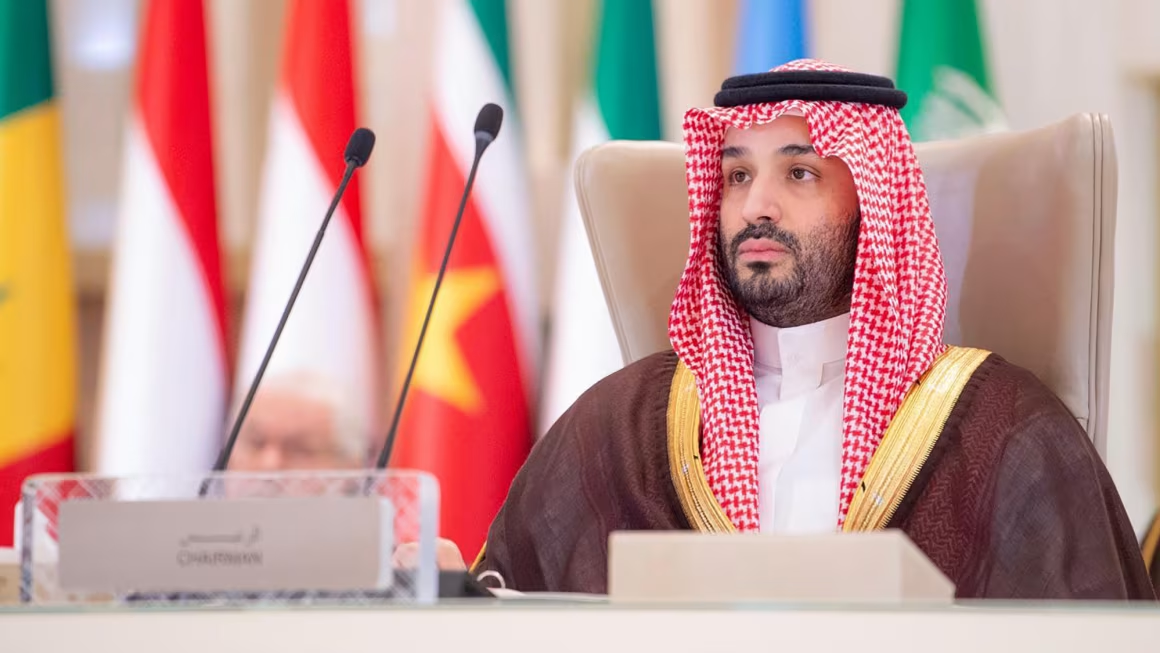
From Diplomats to Select Expats: A Controlled Expansion
Saudi Arabia opened its first legal liquor store in 2024 inside Riyadh’s Diplomatic Quarter. The outlet currently supplies only foreign diplomats, who must:
●Receive approval via a Saudi government app
●Follow strict quantity limitations
●Provide identity verification
Now, reports suggest authorities may open two additional stores in Jeddah and Dammam, potentially expanding access to a broader—but still very restricted—expatriate population.
Part of Saudi Arabia’s Larger Transformation Under Vision 2030
If implemented, the reform would align with the Crown Prince’s sweeping strategy to:
●Attract global talent and multinational companies
●Boost tourism and hospitality sectors
●Modernize Saudi society while maintaining cultural boundaries
In recent years, the kingdom has introduced landmark reforms including:
●Lifting the ban on women driving
●Opening cinemas and entertainment events
●Allowing mixed-gender public spaces
●Relaxing rules on dress and public conduct
A carefully controlled alcohol policy could further position Saudi Arabia as a competitive regional hub for business, rivalling Dubai and Doha.

A Reform Balancing Act: Religion, Culture, and Global Competitiveness
Saudi Arabia remains the birthplace of Islam and guardian of Mecca and Medina. Any move involving alcohol is deeply sensitive for religious and cultural reasons.
Alcohol has been banned since the 1950s, after a widely reported scandal involving a Saudi prince and a British diplomat. Since then, the kingdom has maintained one of the strictest prohibitions in the world.
Officials stress that:
●Public alcohol consumption will remain prohibited
●No changes will affect Saudi citizens
●Any access will be confined to non-Muslims under strict regulatory frameworks
Discussions have previously included controlled alcohol availability in premium Red Sea resorts and special economic zones like NEOM, which operate under slightly different regulations to entice global investors.