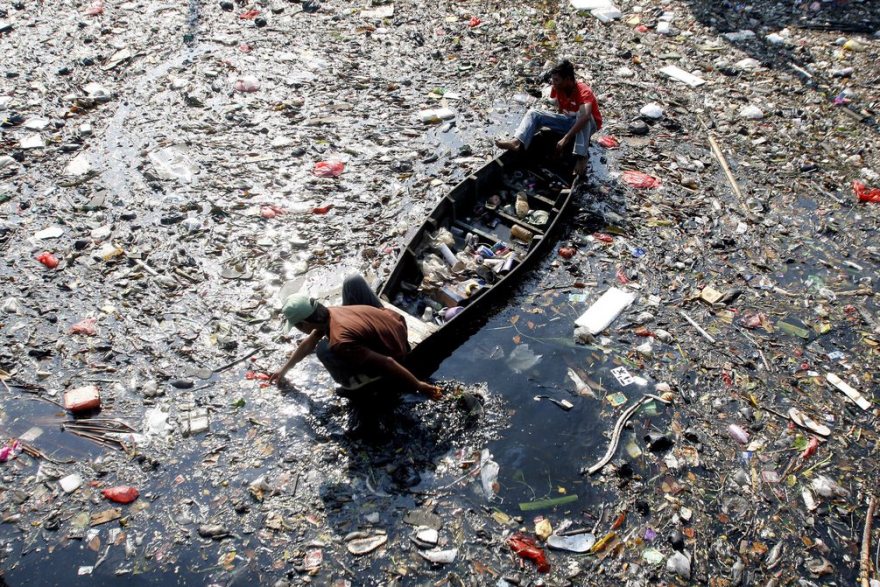
Western Uttar Pradesh is facing a slow-burn public health disaster — one that flows quietly through hand pumps, borewells, and village taps. More than a million people living along the Hindon River basin are consuming water contaminated with industrial chemicals, pesticides, and untreated waste, exposing entire communities to life-threatening diseases.
A River Turned Poison Channel
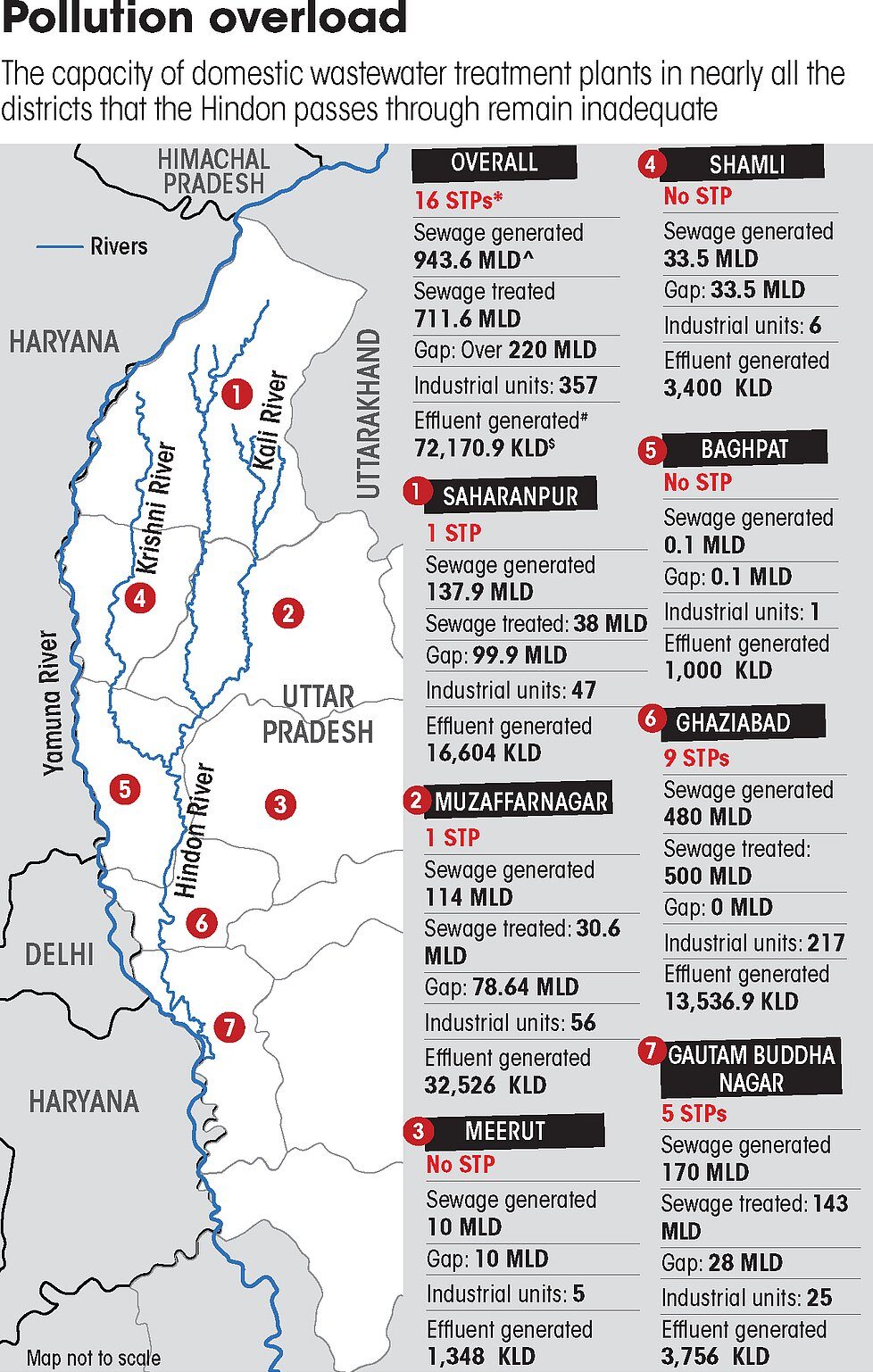
The Hindon River, locally known in older records as Harnandi, originates in the Shivalik foothills of Saharanpur and flows through Muzaffarnagar, Meerut, Baghpat, Ghaziabad, and Gautam Buddh Nagar before meeting the Yamuna.
Once a lifeline for agriculture and daily use, the river has now become one of the most polluted water bodies in North India.
Multiple independent environmental studies confirm that the Hindon receives untreated industrial effluents from more than 150 factories, including:
Sugar mills and distilleries
Paper and pulp units
Textile dyeing and printing facilities
Chemical processing units
Slaughterhouses and small unregistered industries
Most of these units operate either without functional effluent treatment plants or bypass them entirely.
What Is Polluting the Water
Scientific sampling of river water and surrounding groundwater reveals alarming contamination levels:
●Heavy metals such as lead, chromium, cadmium, and mercury found far above permissible limits
●Toxic pesticides including organochlorines like BHC, Aldrin, and Heptachlor
●High Biological Oxygen Demand (BOD) indicating severe organic pollution
●Chemical Oxygen Demand (COD) levels showing industrial chemical discharge
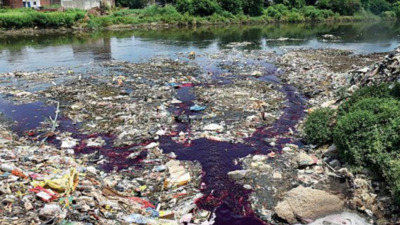
●Oily residues and synthetic dyes visible in surface drains
Experts confirm that these pollutants seep from the river into surrounding aquifers, contaminating groundwater — the primary drinking source for rural households.
Groundwater No Longer Safe
In dozens of villages across Baghpat, Meerut, and Ghaziabad districts, hand pump water shows:
●Foul odour
●Yellow, black, or oily appearance
●Bitter or metallic taste
Yet villagers continue to drink it — not by choice, but because there is no alternative.
Environmental assessments indicate that over 75 lakh litres of contaminated water are consumed daily across the affected belt.
Health Emergency in Slow Motion
Doctors, field researchers, and villagers describe a disturbing pattern of illnesses consistent with long-term chemical exposure:
●Reported Health Issues
●Kidney and liver damage
●Gastrointestinal disorders
●Skin diseases and chronic rashes
●Neurological symptoms and memory loss
●Anaemia and developmental issues in children
●Rising cancer cases
●Sudden cardiac deaths
In some villages, 14–42 percent of residents are suffering from chronic illness.
In Budhpur village (Baghpat district), locals reported 13 deaths in just 15 days, with families linking the deaths to toxic water from nearby industrial drains.
“Earlier, the river fed our crops. Now it is killing our people,” said a resident whose family relies entirely on hand pump water.
Children and Women Most at Risk
Health workers warn that:
●Children face stunted growth, cognitive impairment, and weakened immunity
●Pregnant women risk miscarriages and birth defects
●Elderly residents suffer accelerated organ failure
Despite repeated complaints, systematic medical screening and toxicology testing remain absent.
Regulatory Failure and Weak Enforcement
While pollution control laws exist, enforcement has been patchy at best:
●Industrial units continue discharging waste with minimal penalties
●Sewage treatment plants remain insufficient or non-functional
●Pollution Control Boards lack manpower and monitoring capacity
●The Hindon River remains excluded from major river rejuvenation priorities
Environmental activists say the crisis reflects institutional apathy and regulatory capture, where economic activity is prioritised over human life.
A Crisis Beyond One River
India’s water crisis is not isolated to the Hindon basin:
◆Nearly 70 percent of surface water in India is unfit for drinking
◆Water contamination contributes to millions of illnesses annually
◆Rural communities face the highest exposure due to dependence on groundwater
What makes the Hindon crisis especially severe is the combination of industrial density, agricultural runoff, and lack of alternative water infrastructure.
What Needs to Be Done — Immediately
Experts and civil society groups are demanding urgent action:
Key Interventions Required
1. Immediate shutdown of industries violating effluent norms
2. Mandatory real-time monitoring of industrial discharge
3. Emergency supply of safe drinking water to affected villages
4. Long-term groundwater remediation programs
5. Regular medical screening and disease mapping
6. Inclusion of Hindon River in national river-cleaning missions
7. Criminal accountability for repeated environmental violations
Water Is Life — Until It Isn’t
For lakhs of families across Western Uttar Pradesh, water has become a source of fear instead of survival. The contamination is not accidental, sudden, or invisible. It has built up over decades — ignored, diluted, and passed downstream.
The question now is no longer whether the water is toxic.
It is how many more lives will be lost before accountability flows upstream.