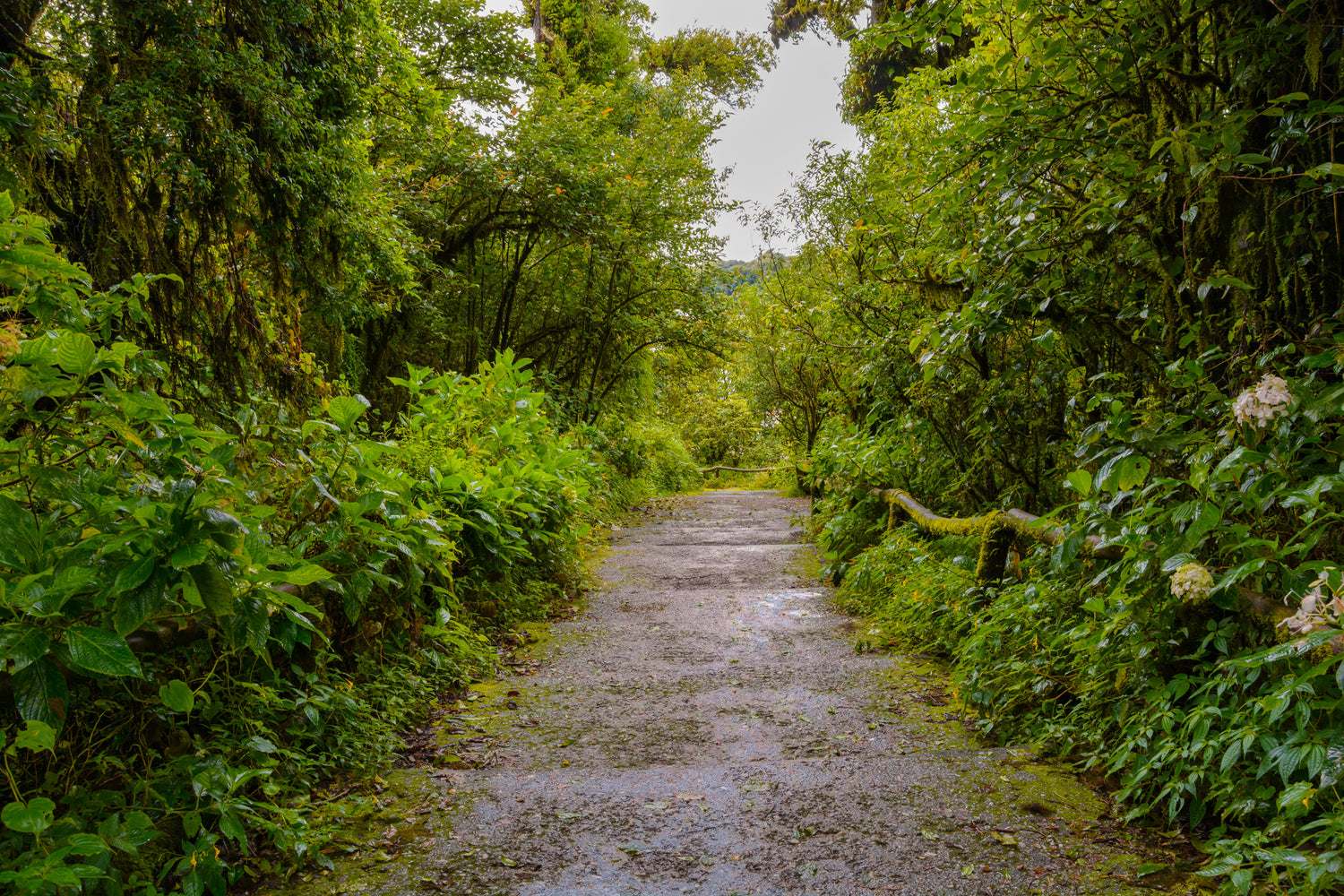
Greater Noida is taking significant steps toward environmental sustainability by expanding Miyawaki-style urban forests, a plantation technique known for creating dense native forests in a short time. The initiative aims to increase green cover across the city while improving air quality and restoring natural biodiversity.
Officials from the Greater Noida Authority said the plantation drive focuses on developing dense clusters of native tree species that grow faster and stronger compared to traditional plantation methods.
Ajit Patel, Senior Manager (Horticulture) of the Greater Noida Authority, said the initiative is designed to promote dense native forests in urban landscapes and strengthen the city’s environmental resilience.
Catch Foundation to Maintain Forest for Three Years
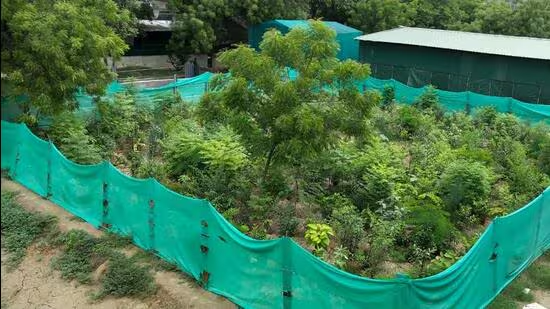
The plantation initiative is being implemented in partnership with the Catch Foundation, which will maintain and monitor the saplings for three years. During this period, the foundation will ensure proper irrigation, soil nourishment, survival monitoring, and replacement of saplings wherever necessary.
This systematic maintenance process will help the plantation develop into a self-sustaining dense forest ecosystem capable of thriving independently over time.
Miyawaki Method Creates Dense Forests in Just a Few Years
Officials explained that the Miyawaki technique allows forests to grow 10 times faster and significantly denser than traditional plantation methods. By planting multiple native species close together, the method replicates natural forest growth patterns.
These forests play an important role in:
Improving urban air quality
●Enhancing biodiversity
●Restoring soil health
●Reducing urban heat
●Absorbing carbon emissions
As cities face rising pollution and climate challenges, urban Miyawaki forests are increasingly being adopted as a sustainable solution.
Similar Green Initiatives Already Implemented Across Greater Noida
The Greater Noida Authority has already implemented Miyawaki plantations in several parts of the city. Last year, saplings were planted using the same method at Surajpur Collectorate, Sector 16, Sector P3, and Khanpur village.
These projects are part of a larger strategy to create green pockets across urban areas and improve environmental conditions for residents.
Sorkha Urban Forest Stands as a Successful Model
The Noida administration had earlier demonstrated the success of urban forests through a large project in Sorkha village. Developed in 2017, the 15-acre forest now contains 88,442 trees belonging to more than 62 native species.
Today, the Sorkha forest has evolved into a dense green ecosystem and serves as an example of how urban spaces can be transformed into thriving natural habitats.
Greener Cities for a Sustainable Future
With rapid urban development taking place in Greater Noida, authorities believe such green initiatives are crucial to maintaining ecological balance.
By expanding Miyawaki forests across the city, the administration aims to ensure sustainable urban growth while creating healthier and greener living spaces for future generations.