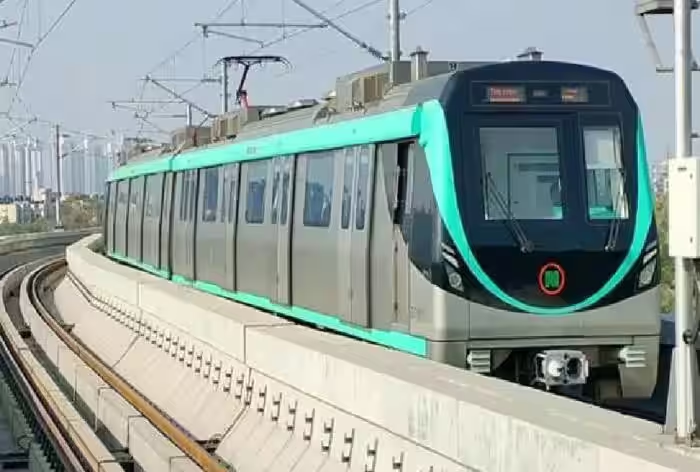
In a major boost to urban mobility, the long-pending metro connectivity for Greater Noida West is finally moving closer to reality. After years of demand, planning, and protests, multiple metro expansion routes have now been designed to connect densely populated residential clusters with Noida’s core network.
The most significant development is the proposed corridor from Sector 51 to Greater Noida West, a stretch that is expected to directly benefit lakhs of daily commuters struggling with traffic congestion and poor public transport options. With population exploding in high-rise societies, the absence of metro connectivity had turned daily travel into a major challenge.
7.5 KM Corridor to Bridge the Gap Between Noida and Extension Areas
At the heart of the new plan is a 7.5-kilometre metro corridor that will connect Sector 51 in Noida to key areas in Greater Noida West, including Kisan Chowk. This route will feature multiple stations across sectors like 61, 70, 122, 123 and Sector 4, ensuring direct access to residential and commercial zones.
This corridor is strategically designed to integrate with existing metro lines, especially the Aqua Line and Blue Line, offering seamless interchange options. Once operational, commuters will no longer need to rely on overcrowded roads or multiple transport modes to reach Delhi or central Noida.
Bigger Vision: Multi-Route Expansion to Redefine NCR Connectivity
The metro plan is not limited to just one corridor. Authorities are working on a broader expansion strategy that includes multiple routes aimed at reshaping connectivity across Noida and Greater Noida.
One of the biggest approved projects is the Botanical Garden to Sector 142 extension, a corridor spanning over 11.5 km with eight stations. This route will directly connect Noida’s Aqua Line with Delhi Metro’s Blue and Magenta Lines, significantly cutting travel time and reducing congestion on the Noida-Greater Noida Expressway.
In addition, long-term plans include extending metro connectivity deeper into Greater Noida sectors and even linking future hubs like the upcoming Noida International Airport, turning the region into a fully integrated transport network.
Why This Expansion Matters: Beyond Just Travel Convenience
This metro expansion is more than just a transport project — it is a structural shift in how the NCR will function in the coming years. Greater Noida West alone houses lakhs of residents across more than 100 societies, many of whom depend on private vehicles or shared autos due to lack of efficient public transport.
The new metro routes are expected to reduce traffic pressure on key roads like Vikas Marg and the Noida-Greater Noida Link Road, which are currently among the most congested corridors in the region.
Experts believe that improved connectivity will not only ease daily commuting but also accelerate economic activity, boost real estate demand, and attract new business investments.
Ground Reality: Demand Turned Into Movement
The urgency of this project is reflected in the growing public pressure. Residents of Greater Noida West have repeatedly raised their voice, with large-scale protests and meetings highlighting the need for metro connectivity.
For many, this is not a luxury but a necessity. Daily travel often involves long hours stuck in traffic, unreliable transport options, and rising commuting costs. The metro project is being seen as the only sustainable solution to this crisis.
What Lies Ahead: Approval, Execution, and Expectations
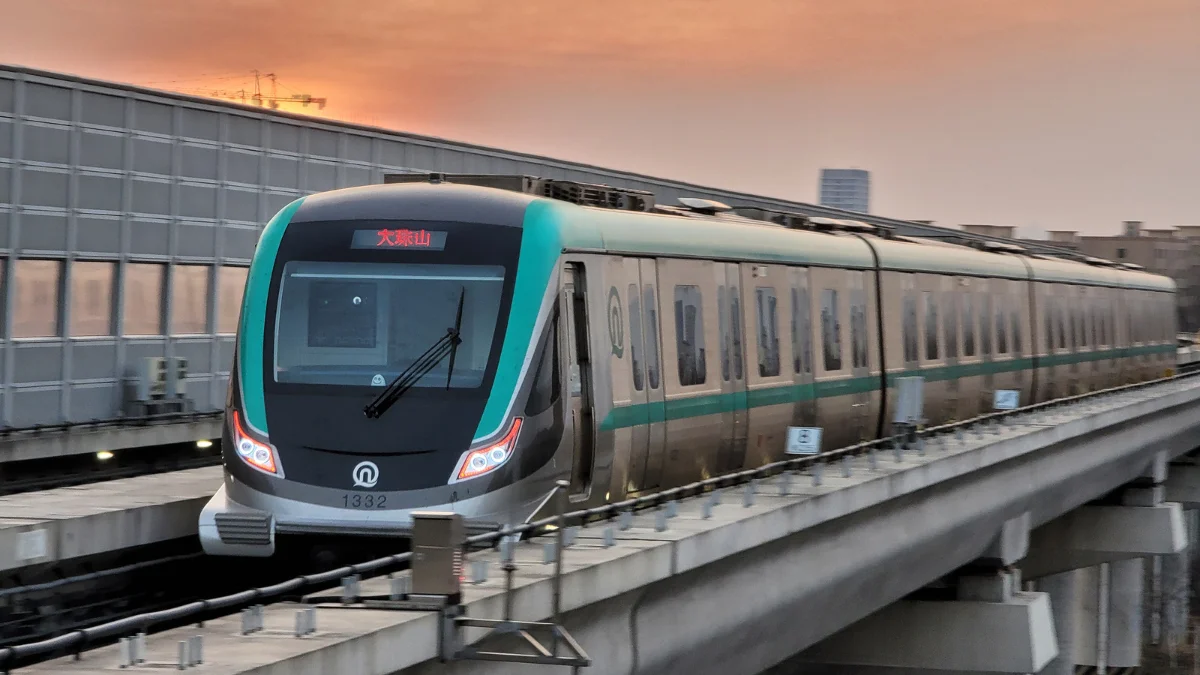
While key projects have received approvals and DPRs have been prepared, the final execution phase remains crucial. Some routes are still awaiting central clearance, while others are undergoing revisions to optimize cost and feasibility.
Authorities have indicated that once approvals are finalized, construction could begin in phases, bringing gradual relief to commuters. However, delays in the past have made residents cautious, and expectations are now higher than ever.
A City at Turning Point
Noida and Greater Noida are no longer just satellite towns — they are rapidly evolving into major economic and residential hubs. But without strong public transport infrastructure, this growth risks becoming unsustainable.
The metro expansion plan represents a turning point. If executed efficiently, it could redefine how millions travel, work, and live in the NCR.
For Greater Noida West, this is more than a project — it is a long-awaited connection to the city it was always meant to be part of.