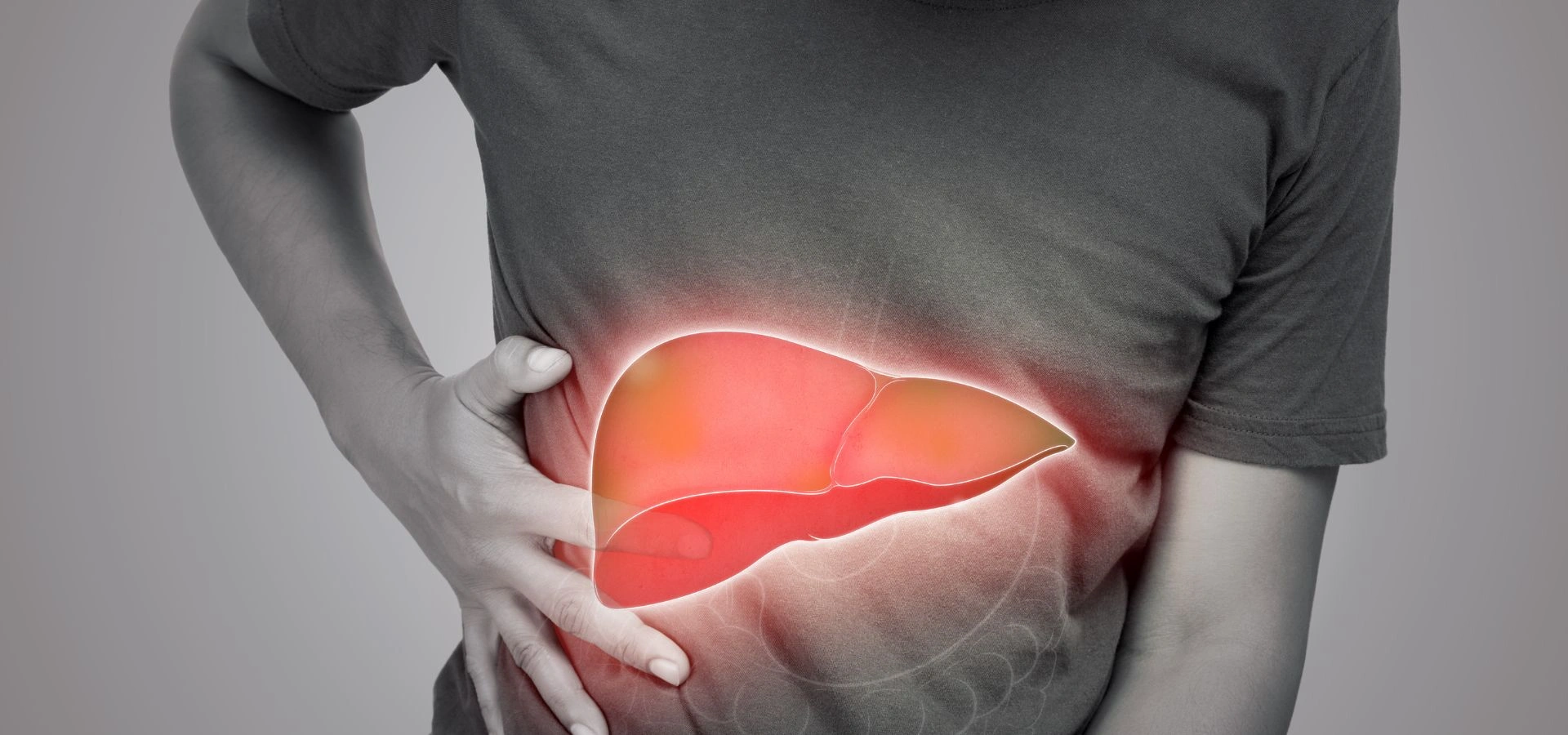
Fatty liver disease is rapidly emerging as a major public health concern in India, especially in urban areas where changing lifestyles, unhealthy eating habits and rising diabetes cases are contributing to the growing burden of liver disorders. Doctors and health experts warn that non-alcoholic fatty liver disease (NAFLD) is increasingly being detected among young professionals, middle-aged adults and even teenagers.
The condition develops when excess fat accumulates in liver cells, reducing the liver’s ability to function efficiently. While fatty liver disease may initially remain symptomless, prolonged neglect can lead to severe complications such as liver inflammation, fibrosis, cirrhosis and even liver cancer. Medical experts describe it as a “silent disease” because many patients discover the condition only during routine medical tests.
Diabetes, Obesity and Poor Diets Major Risk Factors
Healthcare specialists say the sharp rise in obesity and Type 2 diabetes is one of the primary reasons behind the increasing number of fatty liver cases. Sedentary work culture, long screen hours, lack of physical activity and dependence on processed foods have significantly affected metabolic health in urban populations.
Doctors note that frequent consumption of junk food, sugary beverages and high-calorie diets contributes directly to fat accumulation in the liver. People suffering from obesity, hypertension and high cholesterol are considered more vulnerable to developing the disease. Experts also highlight the growing incidence of “lean fatty liver,” where individuals who appear physically slim still develop liver fat due to poor internal metabolic health.
FutureCrime Summit 2026: Registrations to Open Soon for India’s Biggest Cybercrime Conference
Early Detection and Lifestyle Correction Crucial
Medical professionals stress that fatty liver disease is largely preventable and reversible in its early stages. Routine health screenings, liver function tests and ultrasound examinations can help detect the disease before serious complications occur.
Doctors recommend regular exercise, balanced nutrition and weight management as the most effective preventive measures. Reducing sugar intake, avoiding processed foods and maintaining healthy sleep patterns can significantly improve liver health. Experts advise adults to engage in at least 30 minutes of physical activity daily.
Need for Greater Public Awareness
Public health experts believe awareness regarding liver health remains low in India because many people continue to associate liver disease only with alcohol consumption. Specialists are urging authorities to launch awareness campaigns focusing on healthy lifestyles, obesity prevention and diabetes management.
With lifestyle disorders increasing rapidly across urban India, doctors warn that fatty liver disease could become a major healthcare burden in the coming years unless preventive measures and public awareness improve significantly.