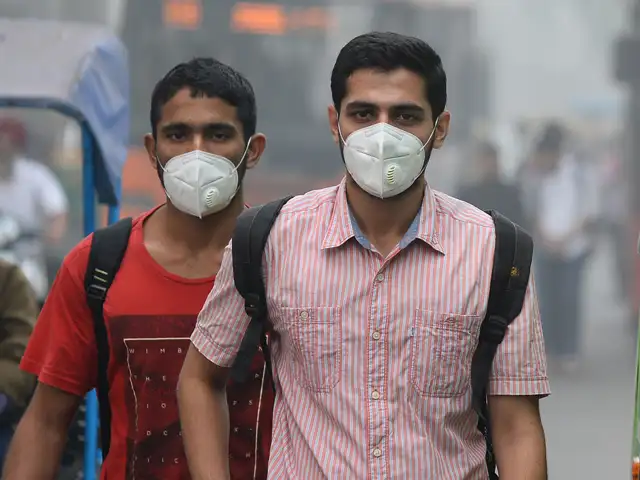
Air pollution is no longer being viewed only as a respiratory threat. Health experts are now warning that prolonged exposure to polluted air may also be contributing to rising blood sugar levels and increasing diabetes risk, particularly in densely populated urban regions.
Recent studies and clinical observations have highlighted a growing connection between air pollution, insulin resistance and metabolic disorders. Medical researchers say fine particulate matter, especially PM2.5 pollutants, can enter the bloodstream through the lungs and trigger inflammation, oxidative stress and hormonal imbalance that directly affect the body’s ability to regulate blood sugar.
South Asia Faces Growing Diabetes Burden
Public health data indicates that South Asia has witnessed one of the highest increases in diabetes cases linked to air pollution over the past few decades. Experts believe worsening air quality, combined with sedentary lifestyles and unhealthy diets, is creating a dangerous health combination for millions of people.
Doctors say urban residents are particularly vulnerable due to constant exposure to vehicle emissions, industrial smoke, construction dust and indoor pollutants.
Pollution May Trigger Insulin Resistance
Medical specialists explain that microscopic pollutants can interfere with insulin-producing cells and reduce insulin sensitivity. This makes it harder for the body to control glucose levels naturally, increasing the risk of prediabetes and Type 2 diabetes.
Research also suggests that pollution-related inflammation may damage blood vessels and organs over time, increasing the likelihood of cardiovascular complications among diabetic patients.
FutureCrime Summit 2026: Registrations to Open Soon for India’s Biggest Cybercrime Conference
Smog Exposure Linked to Poorer Diabetes Control
Doctors treating diabetic patients report that many individuals experience worsening sugar control during periods of severe air pollution. Fatigue, inflammation and reduced physical activity during smog-heavy days may contribute further to unstable glucose levels.
Health experts warn that people already living with diabetes face a greater risk of heart disease, kidney complications and metabolic disorders if they remain exposed to polluted environments for long periods.
Experts Call for Stronger Public Health Measures
Researchers say tackling pollution should now be considered part of diabetes prevention strategies. Along with improving diet and exercise habits, experts recommend reducing outdoor exposure during high pollution days, using air purifiers indoors and wearing protective masks when necessary.
As India continues battling worsening air quality and rising diabetes rates simultaneously, health specialists stress that pollution control is no longer only an environmental issue — it is becoming a major public health priority.