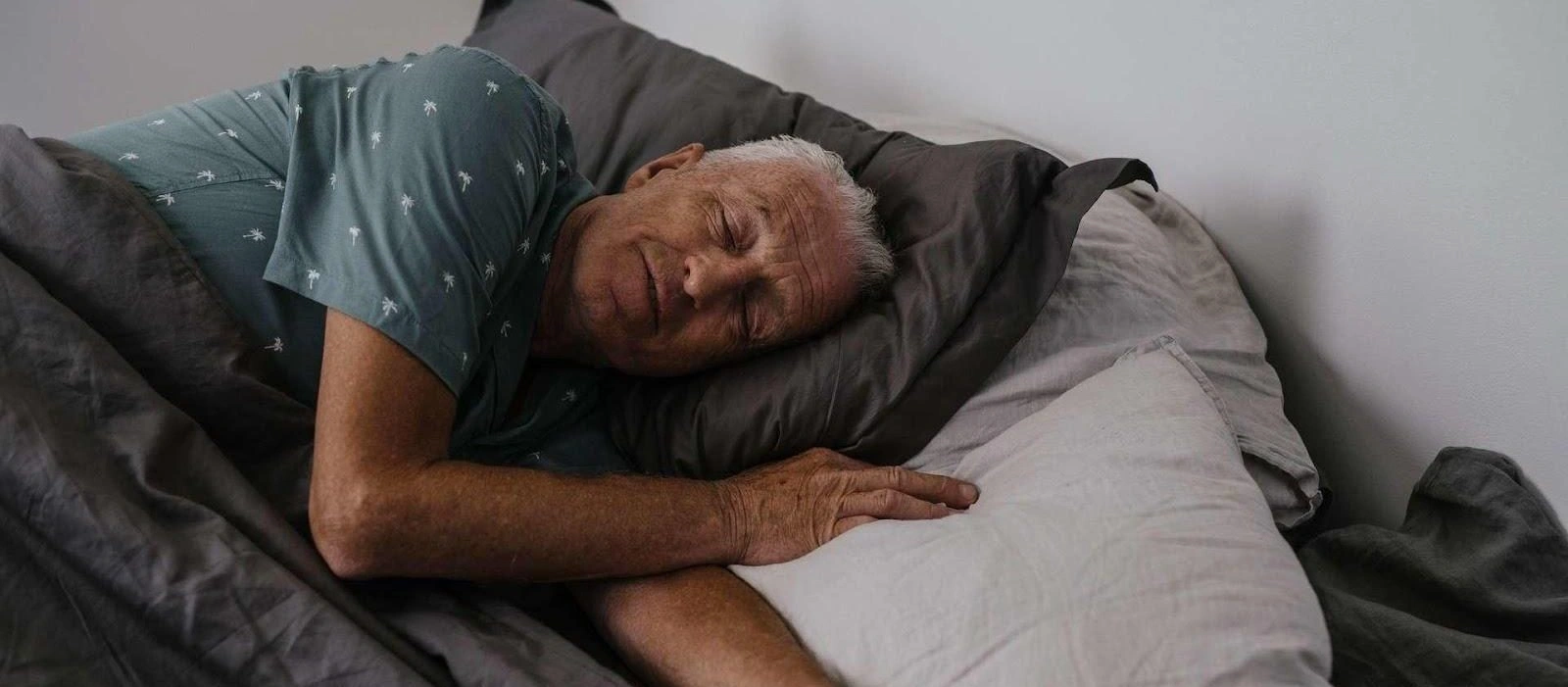
Poorly controlled diabetes may increase the likelihood of sleep-related complications, including obstructive sleep apnea and unnoticed episodes of low blood glucose, doctors have cautioned after examining a 64-year-old patient.
The case showed how diabetes-related complications can remain hidden during sleep, even when patients do not experience obvious warning signs. Specialists said people with diabetes may need simultaneous assessment of blood glucose levels, heart rhythm and sleep quality to identify risks that routine check-ups could miss.
Monitoring Detects Silent Blood Sugar Drops
The patient, who had an HbA1c level of 9.3 percent, underwent continuous monitoring over three days. Doctors tracked his blood glucose, heart rhythm and sleep patterns for 24 hours during the assessment.
The monitoring revealed four episodes of asymptomatic hypoglycaemia while he was asleep. Low blood sugar usually causes sweating, trembling, hunger, weakness or confusion when a person is awake. During sleep, however, these symptoms may go unnoticed.
Doctors warned that severe night-time hypoglycaemia can be dangerous, particularly among patients taking insulin or certain glucose-lowering medicines.
Registration Begins for FutureCrime Summit 2026, India’s Largest Cybercrime Conference
Sleep Apnea Can Disrupt Oxygen Supply
The patient was also diagnosed with obstructive sleep apnea, a condition in which the airway repeatedly narrows or becomes blocked during sleep. This can interrupt breathing, reduce oxygen supply and repeatedly disturb normal sleep.
Medical experts say evidence increasingly suggests a connection between diabetes and sleep apnea. Poor glucose control, obesity and insulin resistance may raise the risk of sleep-disordered breathing. At the same time, fragmented sleep and repeated oxygen deprivation may make diabetes more difficult to manage.
Persistent Snoring Should Not Be Ignored
Loud snoring, choking or gasping during sleep, morning headaches, daytime tiredness and poor concentration can be warning signs of sleep apnea. Many cases remain undiagnosed because snoring is often treated as a normal habit rather than a possible health concern.
Doctors advise people with diabetes to report such symptoms and seek a sleep evaluation when necessary.
Combined Care May Reduce Complications
Diabetes and sleep apnea commonly share risk factors such as obesity, age, high blood pressure and cardiovascular disease. When both conditions occur together, they may increase the risk of heart-related and metabolic complications.
Experts recommend regular glucose monitoring, medication review, weight management and appropriate treatment for sleep apnea. Patients should not change insulin doses or other diabetes medicines without consulting a doctor.