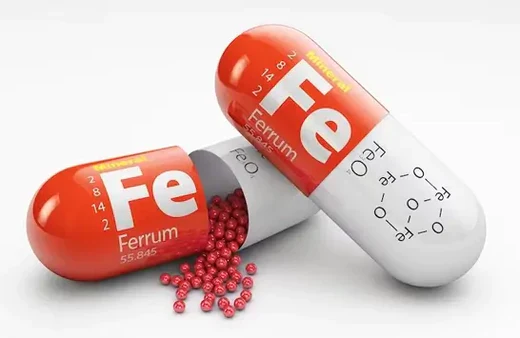
Iron supplements are widely used to prevent anaemia and support healthy growth, particularly among children. However, consuming more iron than the body can absorb may disturb beneficial bacteria in the digestive system, according to a study involving researchers from IIT Bhubaneswar and Christian Medical College, Vellore.
The findings do not suggest that medically prescribed iron supplements should be stopped. Instead, researchers have highlighted the need for careful assessment, appropriate dosage and regular monitoring, especially when supplementation is provided on a large scale.
Excess Iron May Remain in the Intestine
The human body absorbs only a portion of the iron consumed through tablets, fortified food or other supplements. The remaining iron passes into the intestine and is eventually excreted.
Researchers examined faecal samples from children living in rural and semi-urban areas to understand how unabsorbed iron affects intestinal bacteria. They found that higher levels of faecal iron were associated with lower concentrations of Lactobacillus, a group of bacteria considered beneficial for digestive health.
Beneficial Bacteria Could Be Affected
Lactobacillus helps maintain the natural microbial balance of the intestine and may prevent harmful microorganisms from multiplying. A reduction in these bacteria could weaken the gut’s protective environment and potentially increase susceptibility to digestive problems or infection.
The study indicated that this relationship was observed irrespective of the children’s nutritional condition or growth status. Researchers fear that excessive iron may damage beneficial bacteria while creating favourable conditions for certain harmful organisms.
Registration Begins for FutureCrime Summit 2026, India’s Largest Cybercrime Conference
Iron Deficiency Remains a Major Concern
Iron deficiency continues to be an important public-health issue, particularly among children and women. It can cause anaemia, fatigue, weakness, poor concentration and developmental difficulties. Iron supplementation therefore remains essential for people with a medically confirmed deficiency.
However, the findings underline that a standard dose may not be suitable for every individual. The amount of iron required can vary according to age, health, diet and the severity of the deficiency.
Medical Guidance Is Essential
Health experts advise against taking iron tablets without professional guidance or increasing the prescribed dose in the belief that more iron will produce faster results. Unnecessary supplementation may cause digestive discomfort and could potentially disturb the intestinal microbiome.
Further research is required to determine how different iron formulations, doses and treatment periods affect gut bacteria. Until then, supplements should be used according to medical advice and supported by proper testing wherever possible.