

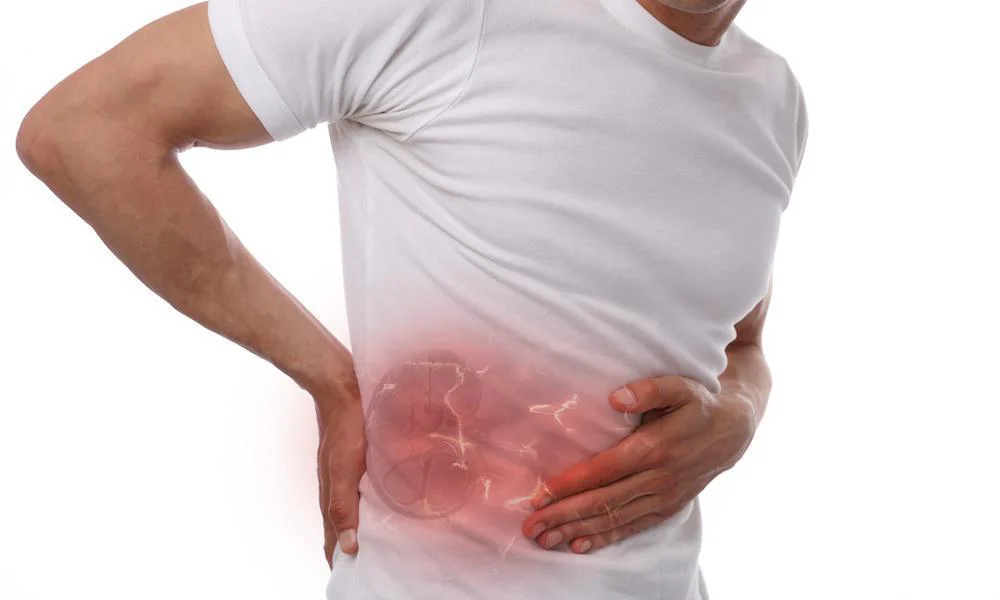
Doctors explains that fluctuating pain is common in people with kidney stones. Recognising the reasons behind these recurring episodes can help patients understand when medical evaluation is necessary.
Why Does Kidney Stone Pain Come and Go?
Kidney stones may remain in the kidney without causing noticeable symptoms. Pain often begins when a stone moves into the ureter, the narrow tube that carries urine from the kidney to the bladder.
As the stone moves, it may partially or completely block urine flow, increasing pressure within the urinary tract. Muscular contractions in the ureter attempt to push the stone forward, producing waves of intense pain. The discomfort usually affects the back or side and may spread towards the lower abdomen or groin.
When the stone changes position and urine flow temporarily improves, the pain may subside. However, the stone may remain lodged in the urinary tract, allowing symptoms to return later.
Stone Size and Location Can Influence Pain
The severity of kidney stone pain depends on several factors, including the stone’s size, location, movement and degree of obstruction. Even a relatively small stone can cause considerable discomfort if it blocks urine flow, while some larger stones may initially produce few symptoms.
As a stone travels towards the bladder, the location of the pain may also change. Importantly, reduced pain does not always indicate that the obstruction has cleared. A persistent blockage can damage kidney function if it remains untreated.
Warning Signs That Require Urgent Medical Attention
People experiencing recurring kidney stone pain should seek medical assessment, particularly when the discomfort is severe. Warning signs include fever, chills, persistent vomiting, blood in the urine and difficulty passing urine.
A urinary blockage accompanied by an infection can become a medical emergency and requires prompt treatment. Doctors may recommend ultrasound or CT imaging to identify the stone and determine whether urine flow is obstructed. Blood and urine tests can help assess kidney function and detect infection.
Treatment and Prevention of Kidney Stones
Treatment depends on the stone’s size, location and associated complications. Some smaller stones pass naturally with appropriate medical supervision and pain management. Larger stones or those causing persistent obstruction may require procedures such as shock wave lithotripsy, ureteroscopy or percutaneous nephrolithotomy.
Drinking sufficient water, reducing excessive salt intake and limiting sugary beverages may help lower the risk of future stones. People with recurring kidney stones may require specific dietary changes based on the stone’s composition.
Kidney stone pain that disappears and returns should not automatically be considered a sign of recovery. Medical evaluation can help determine whether the stone has passed or whether further treatment is needed.

