

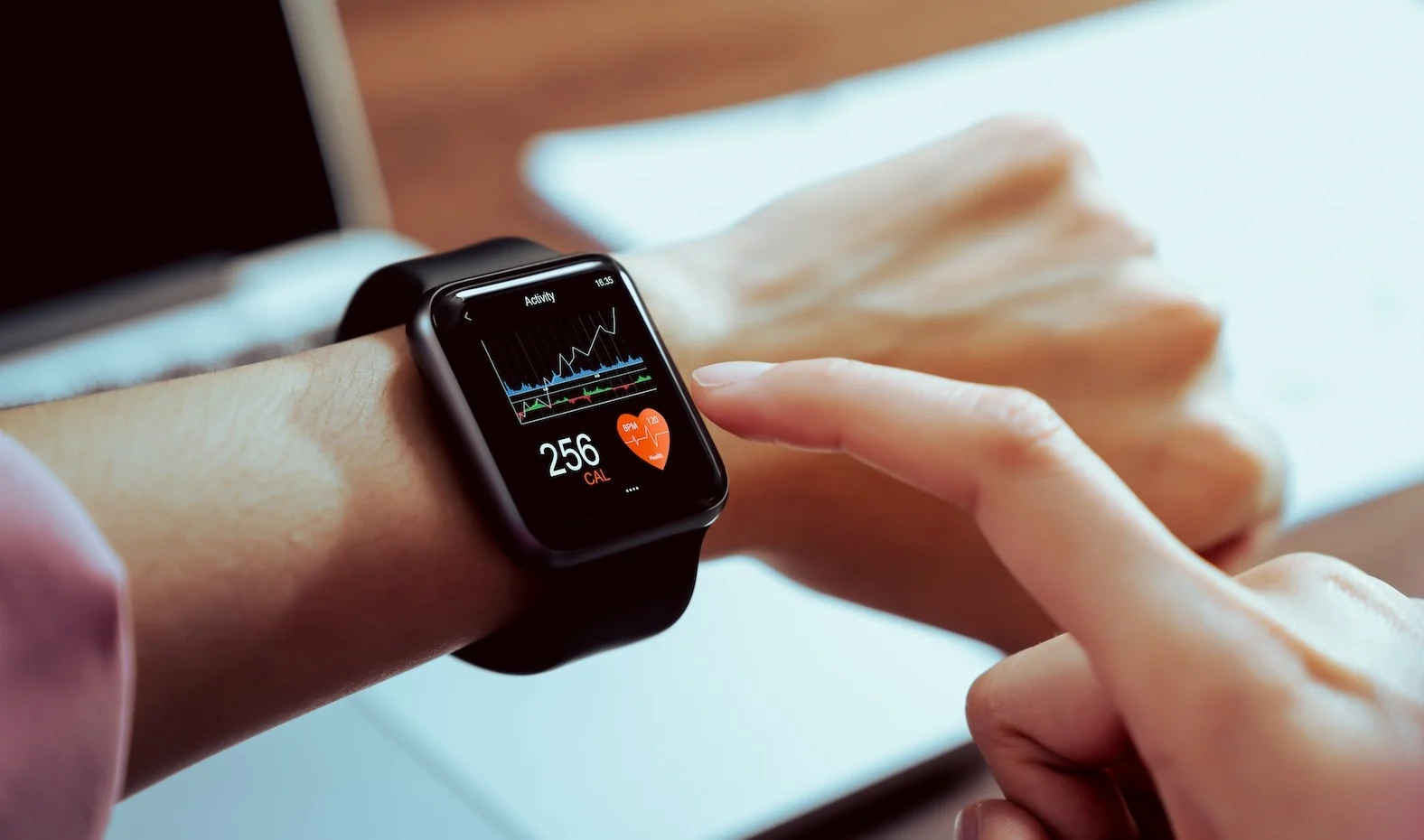
Artificial intelligence (AI) is changing how people monitor their health, with smartwatches and wearable fitness devices offering increasingly advanced tracking features. From measuring heart rates and sleep patterns to monitoring physical activity, these devices are helping users understand their daily health habits and make more informed lifestyle decisions.
Unlike traditional fitness trackers, AI-powered wearables can analyse data collected over time and identify patterns that may otherwise go unnoticed. However, healthcare professionals caution that these technologies have limitations and should not be considered replacements for medical consultations, diagnostic tests or professional treatment.
AI Wearables Go Beyond Basic Fitness Tracking
Modern smartwatches offer several health-monitoring features, including heart-rate tracking, sleep analysis, step counting and exercise monitoring. Depending on the device, users may also access estimated blood oxygen readings and electrocardiogram (ECG) functions designed to help identify certain irregular heart rhythms.
Artificial intelligence adds another layer of analysis by examining information gathered over days or weeks. Instead of displaying individual readings alone, compatible devices can highlight changes in activity levels, sleeping routines and heart-rate patterns.
These insights may encourage users to recognise unhealthy habits and make adjustments to their daily routines. For example, activity reminders can help office workers move more frequently, while sleep reports may encourage people to maintain consistent sleeping schedules.
Can Smartwatches Help Identify Health Problems Early?
One promising application of wearable technology is the identification of patterns associated with certain health conditions. Some smartwatch features can alert users to possible atrial fibrillation, an irregular heart rhythm associated with an increased risk of stroke.
Heart-rate alerts may also notify users when readings fall outside specified limits under particular conditions. Such information can help individuals decide when to seek medical advice and provide healthcare professionals with additional context about their symptoms.
However, an alert does not establish a diagnosis, and the absence of an alert does not guarantee that a person is healthy. Wearable readings can be affected by movement, sensor limitations, device fit and other factors. Not every smartwatch offers the same capabilities, and performance varies across models and features.
People experiencing chest pain, severe breathlessness, fainting or sudden weakness should seek urgent medical attention rather than relying on their wearable device for reassurance.
Personalised Fitness and Preventive Healthcare
AI-powered wearables can support fitness goals by tracking exercise, recording daily movement and providing estimates of recovery and sleep. Users can monitor progress over time and make practical adjustments to their routines.
Runners may use activity records to understand their training patterns, while people with sedentary jobs can benefit from reminders to stand, stretch or walk. Sleep tracking may also help users identify inconsistent routines and develop healthier habits.
Nevertheless, measurements such as calorie expenditure, sleep stages and recovery scores are estimates, not definitive assessments of health. Users should consider how they feel alongside device readings and avoid making major medical or exercise-related decisions solely on the basis of automated recommendations.
Privacy, Accuracy and the Future of Wearable Healthcare
Despite their potential benefits, wearable devices raise important questions about data privacy, affordability and reliability. Health-related information can reveal sensitive details about an individual’s daily activities, sleep and heart function. Users should review privacy settings, understand how their information is stored and check whether it is shared with third parties.
Device capabilities and regulatory approvals also vary by manufacturer, model and country. Buyers should compare available features carefully instead of assuming that every smartwatch provides clinically validated monitoring.
As AI technology develops, wearables could play a greater role in preventive healthcare by helping users identify patterns and share relevant information with medical professionals. Their value, however, will depend on reliable measurements, responsible data management and appropriate clinical interpretation.
Ultimately, AI-powered smartwatches can make health tracking more accessible and encourage healthier habits. Combining these tools with physical activity, balanced nutrition and professional medical care offers a more reliable approach to long-term well-being.

