

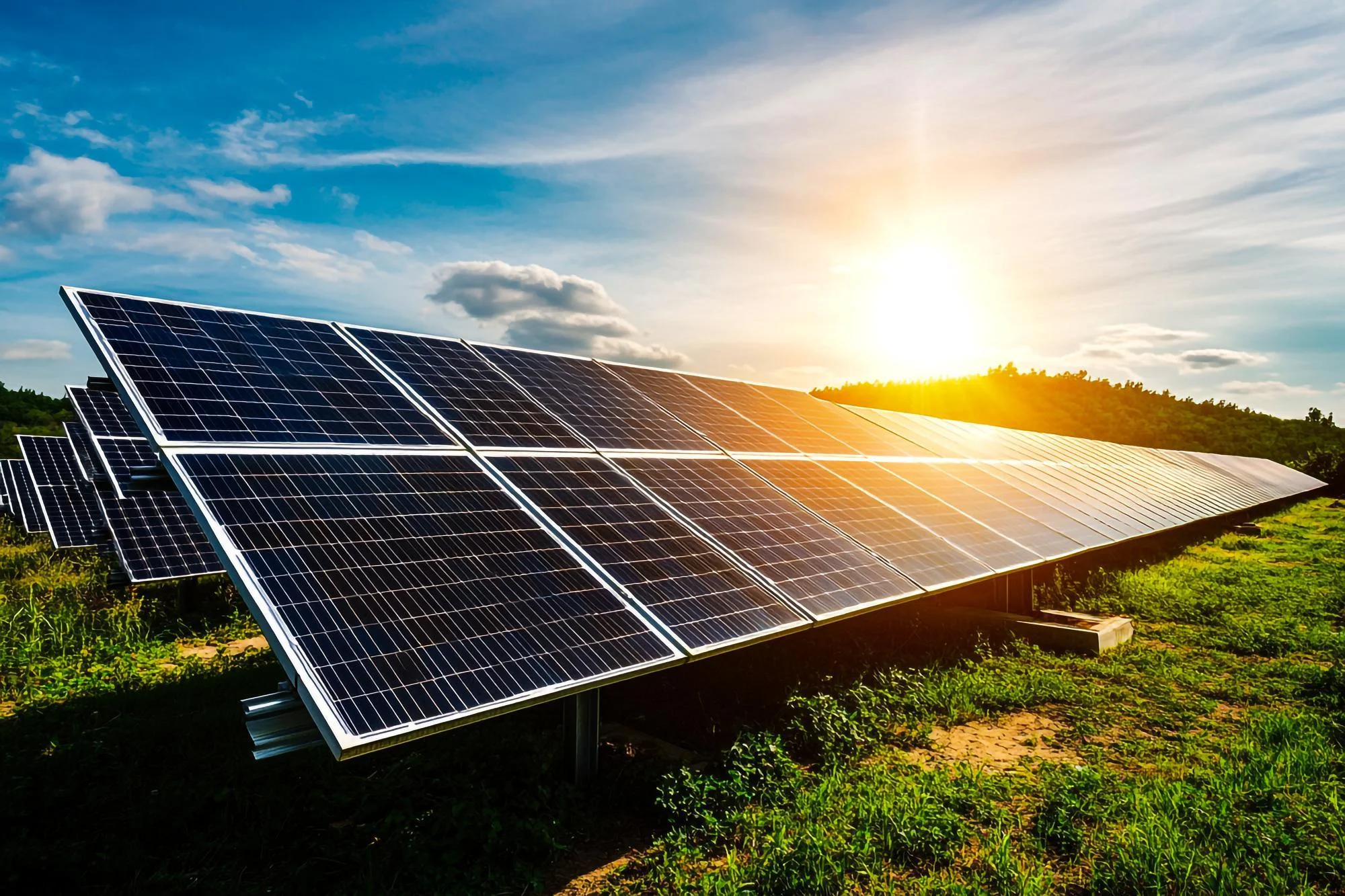
Solar energy is emerging as an important alternative to conventional electricity sources as households, businesses and industries seek ways to manage rising power consumption and reduce environmental impact. Solar panels convert sunlight into electricity, offering consumers an opportunity to lower their electricity bills while contributing to the transition towards cleaner energy.
In India, the growing adoption of rooftop solar systems is supported by abundant sunlight across many regions, improving technology and government initiatives promoting renewable energy. However, factors such as installation costs, rooftop suitability, maintenance requirements and access to subsidies remain important considerations for consumers planning to invest in solar power.
How Solar Panels Work and Why They Are Gaining Popularity
Solar panels generate electricity through photovoltaic cells, which are generally made from semiconductor materials such as silicon. When sunlight strikes these cells, it produces an electric current that can be converted into usable electricity through an inverter.
A typical residential solar installation includes panels, an inverter, mounting structures, electrical wiring and, where required, a battery-storage system. Grid-connected installations work alongside the conventional electricity supply, while off-grid systems operate independently and generally require batteries. Hybrid systems combine grid connectivity with storage capabilities.
Solar panels have gained popularity because they can generate electricity for many years with relatively limited routine maintenance. Depending on system capacity and household consumption, an installation may supply part or a substantial share of a property’s electricity needs.
However, electricity generation varies according to sunlight availability, weather conditions, panel orientation, shading and seasonal changes. Solar panels do not generate electricity at night, making grid access or battery storage important for households seeking power beyond daylight hours.
Electricity Bill Savings and Environmental Benefits
One of the main reasons consumers consider solar panels is the potential to reduce electricity expenses. A suitably sized system can lower the amount of electricity purchased from the grid, although actual savings depend on consumption patterns, installation costs, local tariffs and applicable electricity regulations.
Solar power also offers environmental advantages because generating electricity from sunlight does not require the direct combustion of fossil fuels. Wider adoption can help reduce greenhouse gas emissions associated with conventional electricity generation.
Additional benefits include reduced dependence on grid electricity, predictable long-term energy generation and the ability to use otherwise available rooftop space. Businesses and industrial facilities can also install larger systems to offset a portion of their operational electricity requirements.
Nevertheless, solar power is not entirely impact-free. Manufacturing panels requires energy and raw materials, while responsible disposal and recycling of equipment at the end of its useful life remain important environmental considerations.
Solar Installation Costs and Government Subsidies in India
The cost of installing solar panels depends on system capacity, equipment quality, inverter specifications, rooftop conditions, installation charges and whether battery backup is included. Grid-connected systems without batteries generally involve a lower initial investment than comparable systems with storage.
India’s PM Surya Ghar: Muft Bijli Yojana is a major government initiative encouraging residential rooftop solar adoption. Under the scheme’s standard central financial assistance structure, eligible households can receive subsidies based on the installed capacity, subject to applicable conditions.
The standard subsidy structure provides assistance of ₹30,000 per kW for the first 2 kW and ₹18,000 for the additional 1 kW, resulting in a maximum standard central subsidy of ₹78,000 for eligible residential systems of 3 kW or more. Different provisions may apply in certain special-category states and regions.
Consumers should check the latest eligibility criteria, approved equipment requirements, registered vendors and application procedures through the official scheme portal at https://pmsuryaghar.gov.in/ before committing to an installation. Commercial and industrial consumers should not assume that the same residential subsidy arrangements apply to them.
Before purchasing a system, homeowners should review electricity bills, estimate daytime power consumption, assess rooftop space and shading, and obtain quotations from multiple qualified installers. Comparing warranties, expected generation and after-sales service can help consumers make an informed decision.
Challenges, Maintenance and the Future of Solar Energy
Despite its advantages, solar energy presents several challenges. The initial investment can be significant, and electricity generation may decline during cloudy weather or periods of reduced sunlight. Battery storage can improve backup capabilities but adds to the installation cost and may require replacement during the system’s lifetime.
Maintenance is another consideration. Dust, debris and bird droppings can reduce panel performance, particularly in areas with high dust levels. Periodic cleaning, equipment inspections and timely repairs help maintain efficiency.
Consumers should also understand local net-metering rules, grid-connection requirements and the terms governing electricity exported to the distribution network. A reliable installer, suitable equipment and clear warranty conditions can reduce the risk of unexpected expenses.
Looking ahead, advances in photovoltaic technology, battery storage and smart energy-management systems are expected to support broader solar adoption. Solar installations are increasingly relevant to homes, commercial buildings, agricultural facilities and large-scale power projects.
The sector’s long-term growth will also depend on stronger electricity infrastructure, affordable financing, responsible equipment recycling and effective consumer awareness. As these areas improve, solar power could become an increasingly important component of India’s energy transition.
Conclusion
Solar panels provide households and businesses with an opportunity to manage electricity expenses while supporting cleaner energy generation. Although upfront costs, weather-dependent output and maintenance requirements must be considered, a properly designed system can deliver meaningful long-term benefits.
Consumers should compare installation quotations, calculate potential savings, verify subsidy eligibility and assess their electricity requirements before making a decision. With careful planning and reliable installation, solar energy can contribute to both household energy management and India’s broader renewable energy ambitions.

