

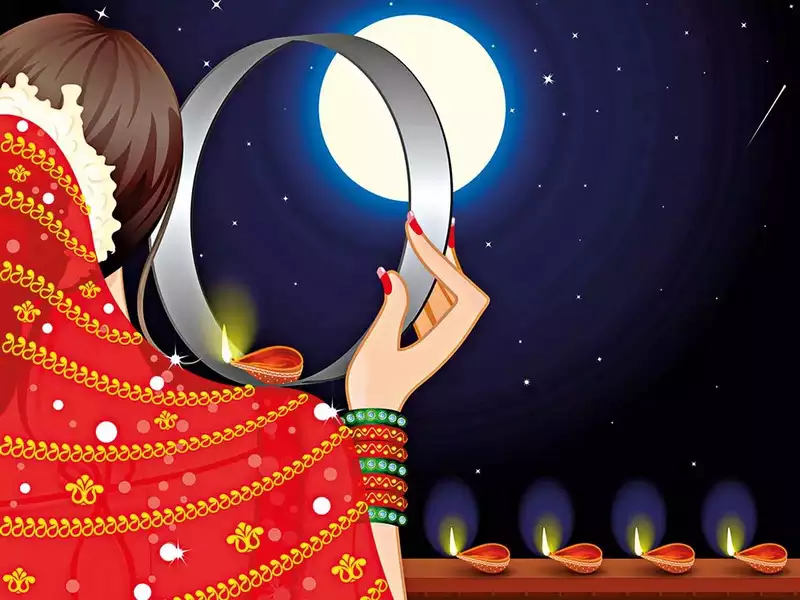
Karva Chauth, one of the most prominent Hindu festivals celebrated across northern India, honours marital bonds, devotion and togetherness. Traditionally observed by married women, the festival involves a day-long fast and prayers for the long life, well-being and prosperity of their husbands. The occasion is marked by traditional clothing, mehndi, family gatherings and evening rituals centred on the sighting of the moon.
In 2026, Karva Chauth will be observed on Thursday, October 29. The festival falls on the Chaturthi Tithi, or fourth day, of Krishna Paksha during the Hindu month of Kartik, according to the traditional North Indian calendar. Preparations typically begin early in the morning and continue until the moon appears in the evening.
Religious Significance and Traditional Beliefs
The name Karva Chauth combines two words: Karva, referring to a traditional earthen pot used in the rituals, and Chauth, meaning the fourth day of the lunar fortnight. The festival holds cultural and religious importance for Hindu communities, particularly in states such as Uttar Pradesh, Rajasthan, Punjab, Haryana and parts of Madhya Pradesh.
The occasion is associated with stories of marital devotion, courage and faith. One of the best-known narratives is the story of Queen Veeravati, whose determination and devotion are central to popular Karva Chauth traditions. Another traditional account celebrates Karva, a woman remembered for her loyalty and resolve.
Women commonly worship Goddess Parvati and Lord Shiva, seeking blessings for marital happiness and family well-being. Lord Ganesha is also worshipped in many households. While the specific prayers and customs vary between regions, the festival continues to serve as an important expression of cultural identity and family traditions.
Sargi, Fasting and Evening Puja Rituals
Karva Chauth begins before sunrise with Sargi, a pre-dawn meal traditionally prepared by the mother-in-law for her daughter-in-law. The meal often includes fruits, sweets, dry fruits and other foods intended to provide energy for the day ahead.
Following Sargi, many women observe a fast without food and water until the moon is sighted. During the day, women may apply mehndi, dress in festive attire, wear traditional jewellery and gather with family members or friends.
The evening puja is an important part of the celebration. Women offer prayers, listen to the Karva Chauth vrat katha and participate in rituals according to their family traditions. Karvas, lamps, flowers and other traditional items may be used during the ceremony.
After the moon becomes visible, women offer arghya, or water, to the moon. In a widely practised custom, they look at the moon through a sieve before looking at their husbands. The fast is then traditionally broken, often with water followed by food.
Moonrise Timing and the Importance of Local Traditions
Moon sighting is the most anticipated moment of Karva Chauth. Since moonrise depends on geographical location and astronomical conditions, the timing can differ between cities.
Women observing the fast generally wait for the moon to appear before completing the final rituals. Cloud cover can sometimes delay the sighting, adding to the anticipation surrounding the evening celebrations.
Those observing Karva Chauth should check the moonrise time and puja muhurat for their specific city using a reliable local panchang or calendar. A single nationwide timing may not accurately reflect the appropriate time for every location.
The sequence and details of the rituals can also vary between communities. Families may follow regional customs passed down through generations, making the festival both a shared cultural celebration and a reflection of local traditions.
Modern Celebrations and Growing Health Awareness
Karva Chauth celebrations have evolved alongside changing lifestyles and relationships. While the festival has traditionally been associated with women fasting for their husbands, some couples now observe the fast together as an expression of mutual affection and support.
Couples living in different cities or countries often connect through video calls, while social media has become a popular platform for sharing festive photographs, greetings and celebrations. Others prefer intimate gatherings at home or participate in community events.
Health awareness has also become an important consideration. A prolonged fast without food or water may pose risks for people with certain medical conditions, pregnant or breastfeeding women, and individuals taking medicines that require regular food or fluid intake. Anyone concerned about the effects of fasting should seek appropriate medical advice and avoid compromising their health to meet social expectations.
These changing practices reflect a broader understanding of the festival as an occasion to celebrate care, companionship and shared responsibility within a relationship.
Conclusion
Karva Chauth remains an important celebration of faith, marital bonds and family traditions. From the early-morning Sargi to the evening moon-sighting ceremony, its rituals bring together religious beliefs, cultural heritage and personal expressions of affection.
As celebrations continue to evolve, the festival increasingly accommodates different lifestyles and individual choices. Its enduring significance lies in the values of love, mutual respect, commitment and togetherness that couples and families seek to celebrate.

