

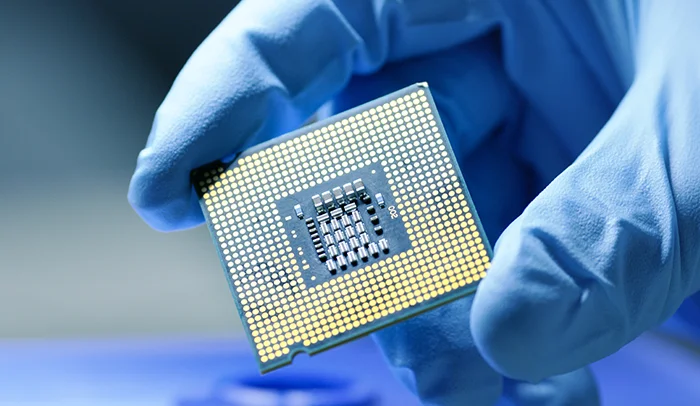
India is stepping up its efforts to become a major player in the global semiconductor industry, with chip manufacturing emerging as a promising driver of economic growth, technological innovation and employment. Semiconductors, commonly known as computer chips, are essential components of smartphones, computers, electric vehicles, medical equipment, satellites, defence systems and artificial intelligence technologies.
As demand for advanced electronic devices continues to increase, countries are focusing on securing reliable semiconductor supply chains. India, which has traditionally depended on imports for a significant share of its chip requirements, is now working to build domestic manufacturing capabilities and attract global investments.
The government’s semiconductor initiatives, growing interest from international companies and expanding pool of engineering talent are creating opportunities for India to strengthen its position in the global technology market.
Why Semiconductor Manufacturing Is Important for India’s Growth
Semiconductors are the foundation of the modern digital economy. These tiny electronic components allow devices to process information, store data and perform complex operations. Their demand is growing rapidly with the expansion of artificial intelligence, 5G and future 6G networks, electric mobility, robotics, cloud computing and data centres.
For India, developing a semiconductor industry is about more than producing chips domestically. It is an opportunity to reduce dependence on overseas suppliers, strengthen technological security and become part of a high-value global manufacturing ecosystem.
A strong semiconductor sector can support several industries, including automobiles, telecommunications, renewable energy, healthcare, aerospace and defence. Domestic availability of chips could also help Indian manufacturers manage supply disruptions, improve production planning and become more competitive internationally.
The industry can generate economic activity beyond chip factories. Equipment manufacturers, chemical suppliers, software developers, logistics companies and research institutions can all benefit from the expansion of semiconductor-related businesses.
Government Initiatives and Growing Investment in the Semiconductor Sector
Recognising the strategic importance of chip manufacturing, the Indian government launched the Semicon India Programme in 2021 with an initial financial outlay of Rs. 76,000 crore. The programme was designed to encourage investments in semiconductor fabrication, display manufacturing, chip design, assembly, testing and packaging.
Building on this foundation, the Union Cabinet approved Semicon 2.0 in July 2026 with an outlay of Rs.1,27,500 crore. The expanded programme focuses on six key areas: chip design, manufacturing equipment and materials, new fabrication facilities, advanced packaging, research and development, and talent development.
The government’s efforts have started attracting significant investment. According to the Ministry of Electronics and Information Technology, 12 semiconductor manufacturing units had received approval by September 2026, involving cumulative investment commitments of more than Rs.1.64 lakh crore. Five facilities had commenced commercial production, indicating progress towards establishing domestic manufacturing capabilities.
The government has also reported investment commitments of around Rs.1 lakh crore under Semicon 2.0, with nearly one lakh employment opportunities expected across the wider semiconductor ecosystem. These investments are expected to materialise over the coming years, subject to project approvals and implementation.
Employment Opportunities, Innovation and India’s Skilled Workforce
The expansion of semiconductor manufacturing could open new career opportunities for engineers, researchers, technicians and technology professionals. The industry requires expertise in electronics, electrical engineering, material science, computer science, chip design, equipment maintenance, quality testing and manufacturing operations.
India’s large pool of engineering graduates provides an important advantage. Government initiatives are also supporting semiconductor education and practical training. According to official updates, around 85,000 semiconductor engineers have been trained, while hundreds of universities and institutions are participating in chip-design education programmes.
Start-ups and smaller technology companies can also benefit from the growing ecosystem. Opportunities are emerging in chip design, semiconductor software, specialised equipment, electronic components and advanced packaging. This can encourage entrepreneurship, research and collaboration between universities and industry.
For young professionals, developing skills in electronics, semiconductor design, artificial intelligence and advanced manufacturing could create valuable career opportunities as the industry expands.
Challenges and the Road Ahead
Despite its promising potential, semiconductor manufacturing is among the world’s most complex and capital-intensive industries. Establishing fabrication plants requires enormous investment, advanced machinery, uninterrupted electricity, high-quality water supplies and highly controlled production environments.
India also needs to develop a stronger domestic supply chain for specialised equipment, industrial gases, chemicals and semiconductor-grade materials. Building these supporting industries will be essential to reducing import dependence and ensuring consistent production.
Competition from established manufacturing destinations such as Taiwan, South Korea, Japan and the United States is another major challenge. These countries have decades of experience, advanced infrastructure and established supplier networks.
India’s first major fabrication projects will therefore need sustained policy support, technology partnerships, research investment and access to skilled professionals. The government has identified these areas as priorities under Semicon 2.0, with the objective of developing a more complete and competitive semiconductor ecosystem.
Conclusion
Semiconductor manufacturing represents a major opportunity for India to strengthen its economy and technological capabilities. Growing investments, government support, an expanding electronics industry and a skilled workforce are creating a foundation for long-term growth.
However, becoming a global semiconductor hub will require more than establishing factories. India must develop expertise across the entire value chain, including chip design, fabrication, packaging, equipment, materials and research.
If these efforts progress successfully, the semiconductor industry could become an important source of high-value employment, industrial development and technological self-reliance, helping India strengthen its position in the global digital economy.

