

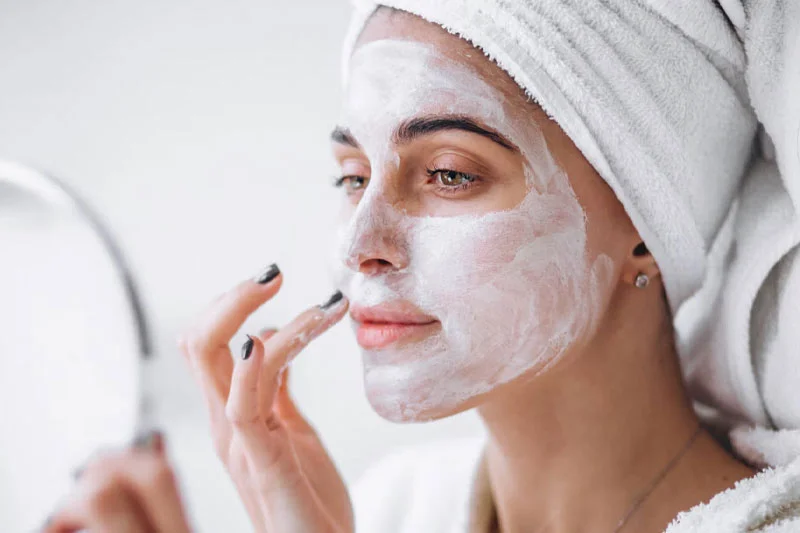
Healthy skin requires consistent care, but skincare needs can change as a person grows older. Factors such as hormonal changes, sun exposure, lifestyle habits, stress, diet and the natural ageing process can influence the skin’s appearance and texture. A skincare routine that works well in your 20s may not provide everything your skin needs in your 30s or 40s.
During the 20s, the primary focus should be on protecting the skin and maintaining its natural health. In the 30s, early signs of ageing, such as fine lines, uneven skin tone and reduced skin elasticity, may become more noticeable. By the 40s, changes in collagen production, hormonal fluctuations and skin moisture levels can make hydration and skin nourishment increasingly important.
However, good skincare is not about following expensive beauty trends or using too many products. It is about understanding your skin, choosing suitable ingredients and maintaining healthy habits. Here is how you can build an effective skincare routine according to your age.
Skincare in Your 20s: Focus on Prevention and Protection
Your 20s are an important time to establish healthy skincare habits. Although the skin may still have good elasticity and natural collagen production, excessive sun exposure, pollution, poor sleep and improper skincare practices can affect its long-term health.
Morning Skincare Routine
- Gentle Cleanser: Wash your face with a mild cleanser to remove excess oil, sweat and impurities without stripping the skin of its natural moisture.
- Vitamin C Serum: A vitamin C serum can help protect the skin against environmental damage and improve the appearance of uneven skin tone.
- Moisturiser: Choose a lightweight moisturiser according to your skin type to maintain hydration and support the skin barrier.
- Sunscreen: Apply a broad-spectrum sunscreen with SPF 30 or higher every morning. Sunscreen helps protect the skin from harmful ultraviolet rays and reduces the risk of premature ageing.
Night Skincare Routine
Remove makeup and sunscreen before going to bed. Clean your face with a gentle cleanser and apply a suitable moisturiser. If you experience acne or clogged pores, ingredients such as salicylic acid may help, depending on your skin type and tolerance.
Important Skincare Tip: Avoid experimenting with too many active ingredients at once. Building a simple and consistent routine is more beneficial than frequently changing skincare products.
Skincare in Your 30s: Focus on Hydration and Early Signs of Ageing
During your 30s, natural changes in collagen production and skin cell renewal may gradually become noticeable. Some people begin to observe fine lines around the eyes and mouth, uneven skin tone, pigmentation and reduced skin brightness.
Stress, lack of sleep, sun exposure and environmental pollution can also influence the skin’s appearance.
Morning Skincare Routine
- Gentle Cleanser: Continue using a cleanser that removes impurities while maintaining the skin’s natural moisture balance.
- Vitamin C Serum: Vitamin C can help improve uneven skin tone and provide antioxidant protection against environmental stressors.
- Hyaluronic Acid: This ingredient helps attract and retain moisture, making the skin appear hydrated and smoother.
- Moisturiser: Choose a moisturiser that supports the skin barrier and provides sufficient hydration.
- Sunscreen: Daily sunscreen application remains essential to help prevent sun damage, pigmentation and premature ageing.
Night Skincare Routine
Consider introducing a retinoid, such as retinol, into your nighttime routine if your skin tolerates it. Retinoids can help improve the appearance of fine lines, uneven texture and acne. Start with a low concentration and use it gradually rather than applying it every night immediately.
Follow with a moisturiser to reduce dryness and irritation. Avoid using retinoids during pregnancy, and consult a healthcare professional if you are pregnant or planning pregnancy.
Important Skincare Tip: Pay attention to the delicate skin around your eyes. Use a gentle moisturiser and avoid rubbing the area. Adequate sleep and hydration also support healthy-looking skin.
Skincare in Your 40s: Focus on Nourishment, Hydration and Skin Barrier Health
By the time you reach your 40s, the skin may experience more noticeable changes in firmness, elasticity and moisture levels. Natural collagen production gradually declines, and hormonal changes, particularly during perimenopause, can contribute to dryness, sensitivity and changes in skin texture.
Fine lines may become more prominent, while pigmentation and age spots can develop due to cumulative sun exposure.
Morning Skincare Routine
- Hydrating Cleanser: Choose a gentle, moisturising cleanser that does not leave your skin feeling tight or dry.
- Antioxidant Serum: Vitamin C can help improve the appearance of uneven skin tone and support protection against environmental damage.
- Hyaluronic Acid: Use a hydrating serum to help maintain moisture and improve the appearance of dry skin.
- Nourishing Moisturiser: Look for ingredients such as ceramides, glycerin and hyaluronic acid to support the skin barrier and reduce moisture loss.
- Broad-Spectrum Sunscreen: Apply SPF 30 or higher every morning and reapply when needed, particularly during prolonged outdoor exposure.
Night Skincare Routine
A retinol or other suitable retinoid may help improve fine lines, skin texture and uneven pigmentation. If your skin is sensitive or dry, begin slowly and use a moisturiser regularly.
Products containing ceramides and peptides may also support skin hydration and barrier care. Avoid combining several strong active ingredients without understanding how they interact, as this may cause irritation.
Important Skincare Tip: Avoid harsh exfoliation and overly aggressive skincare treatments. Focus on maintaining moisture, protecting the skin barrier and choosing products that suit your skin’s changing needs.
Seven Essential Skincare Habits for Healthy Skin at Every Age
Regardless of whether you are in your 20s, 30s or 40s, certain skincare habits remain important throughout life.
1. Never Skip Sunscreen: Sun exposure is one of the major contributors to premature skin ageing. Use broad-spectrum SPF 30 or higher and reapply approximately every two hours when outdoors.
2. Stay Hydrated: Drink sufficient water throughout the day. Proper hydration supports overall health, although drinking extra water alone cannot eliminate wrinkles or replace moisturiser.
3. Follow a Balanced Diet: Include fruits, vegetables, nuts, seeds and protein-rich foods in your diet. Nutrients such as vitamins, minerals and healthy fats support normal skin function.
4. Get Enough Sleep: Quality sleep supports the body’s natural repair processes. Maintain a regular sleeping schedule and aim for approximately seven to nine hours of sleep each night as an adult.
5. Avoid Smoking: Smoking can damage collagen and elastin, contributing to premature wrinkles and dull-looking skin.
6. Remove Makeup Before Sleeping: Leaving makeup and accumulated impurities on your skin overnight may contribute to clogged pores and irritation. Clean your face gently before bedtime.
7. Choose Products According to Your Skin Type: Whether your skin is oily, dry, combination or sensitive, select products that meet its needs. Introduce new skincare ingredients gradually and discontinue products that cause persistent irritation.
When Should You Consult a Dermatologist?
If you experience persistent acne, sudden skin changes, unusual pigmentation, severe dryness or irritation, consult a qualified dermatologist. A professional can help identify the underlying cause and recommend suitable skincare products or treatments.
You should also seek medical evaluation for new or changing moles, unusual skin growths or spots that bleed, itch or change in appearance. Early assessment can help identify potentially serious skin conditions.
Conclusion
Skincare needs evolve with age, making it important to adjust your routine according to your skin’s changing requirements. While your 20s are ideal for establishing preventive habits, your 30s may call for greater attention to hydration and early signs of ageing. In your 40s, nourishing moisturisers, skin barrier protection and consistent sun protection become especially important.
However, healthy skin is not determined by age alone. Genetics, lifestyle, environmental exposure and individual skin type also play important roles. A simple routine consisting of cleansing, moisturising and daily sunscreen, combined with healthy lifestyle habits, can help maintain healthier-looking skin at every stage of life.

