

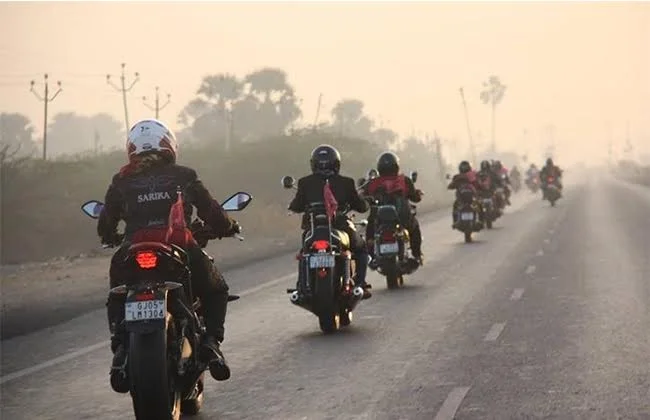
For millions of people, riding a motorcycle is more than a daily commuting activity. It is an experience associated with freedom, independence, excitement and personal identity. The sound of the engine, the feeling of the open road and the ability to explore new destinations create an emotional connection that many riders find difficult to explain. But what makes people so passionate about motorcycles? The answer lies partly in psychology.
Motorcycle riding involves a combination of emotional satisfaction, personality traits, risk perception, concentration and social behaviour. While some people enjoy the thrill of speed and adventure, others prefer peaceful solo rides to relax and disconnect from everyday pressures. Understanding the psychology of bike riders reveals how this activity can influence emotions, behaviour and lifestyle.
The Psychology of Freedom, Independence and Self-Expression
One of the strongest attractions of motorcycle riding is the feeling of freedom. Unlike travelling inside a car, motorcyclists experience their surroundings more directly, including changing weather, landscapes and road conditions. This physical connection with the environment can make every journey feel more engaging.
For many riders, a motorcycle also represents independence and self-expression. The choice of motorcycle, riding equipment and travel destinations can reflect individual interests and lifestyle preferences. Some riders associate their bikes with personal achievements, while others see them as companions on journeys and adventures.
Motorcycling can also provide a sense of control. Choosing a route, planning a trip and navigating unfamiliar roads may create feelings of confidence and personal accomplishment.
Adventure, Adrenaline and the Psychology of Risk-Taking
The excitement associated with motorcycle riding is another important psychological factor. Some individuals naturally seek activities that offer stimulation, novelty and adventure. Psychologists describe this tendency as sensation-seeking, a personality trait associated with the desire for exciting and varied experiences.
Motorcycle riding can provide stimulation through acceleration, movement and the constant attention required to navigate traffic. However, the attraction to adventure does not mean that every rider enjoys dangerous behaviour.
Risk perception plays a significant role in riding decisions. Experienced riders may become more confident as their skills improve, but overconfidence can sometimes encourage speeding, risky overtaking and ignoring traffic regulations. Understanding personal limitations, wearing protective equipment and maintaining safe speeds are essential for responsible riding.
Mental Well-Being, Stress Relief and Social Connections
For some individuals, motorcycle riding offers a temporary escape from work pressure and everyday responsibilities. Concentrating on the road, maintaining balance and responding to changing conditions can encourage attention to the present moment.
Long rides through scenic locations may also provide opportunities for relaxation and personal reflection. However, these experiences vary from person to person, and riding should not be considered a treatment for stress, anxiety or other mental health conditions.
Motorcycle communities also contribute to the emotional appeal of riding. Group journeys, riding clubs and shared travel experiences help people develop friendships and a sense of belonging. These social connections can make motorcycling an important part of their lifestyle.
What Riding Behaviour Reveals About Personality and Responsibility
Although motorcycle riders have different personalities, their riding habits can reflect certain preferences. Solo riders may enjoy independence and personal space, while group riders may value companionship and shared experiences. Touring enthusiasts often appreciate exploration, whereas some daily commuters prioritise convenience and practicality.
However, motorcycle choice or riding style cannot accurately determine someone’s complete personality. Responsible riding depends more on awareness, discipline and decision-making than on the type of motorcycle someone owns.
Road safety must remain a priority. Wearing a properly fitted certified helmet, following traffic rules, avoiding distractions, maintaining safe distances and never riding under the influence of alcohol are essential practices.
Conclusion
The psychology of bike riders goes beyond the attraction of speed and adventure. It involves freedom, emotional satisfaction, personal identity, social connections and the desire to explore. For many people, motorcycling becomes a meaningful lifestyle rather than simply a mode of transportation. Balancing the excitement of riding with discipline and road safety allows enthusiasts to enjoy the experience responsibly.

