

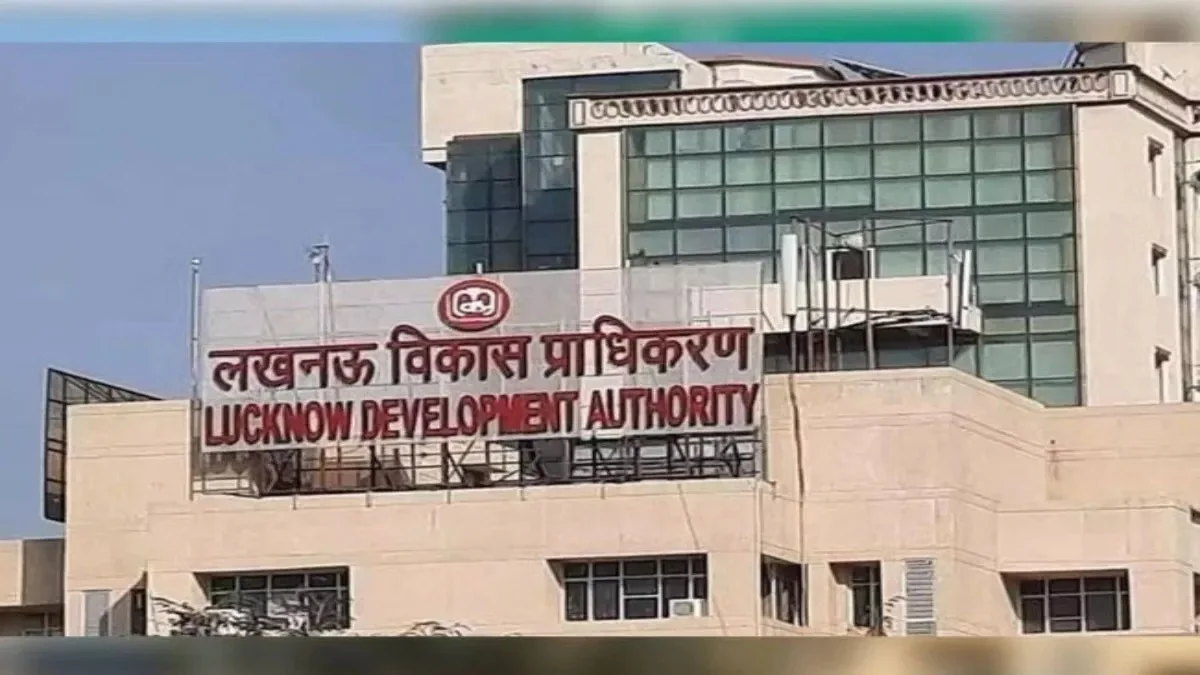
The Lucknow Development Authority (LDA) is set to face a detailed audit by the Principal Accountant General (PAG) over building maps approved during the last four financial years. The audit will examine building plans sanctioned between 2022-23 and 2025-26, with particular attention to parking provisions, construction compliance, physical inspections and the regularisation of unauthorised modifications.
A PAG audit team is expected to visit Lucknow later this month to examine the authority’s records and assess whether building construction regulations have been properly implemented. The investigation will also focus on whether buildings approved for residential purposes are being used for commercial activities and whether designated parking spaces have been converted into shops, warehouses, restaurants or other commercial establishments.
The audit comes amid growing concerns over traffic congestion and inadequate parking facilities across the city. Several commercial establishments are reportedly operating from buildings without sufficient parking arrangements, forcing customers and employees to park their vehicles on public roads.
The inspection aims to identify whether these problems are linked to violations of building regulations, improper approvals or inadequate monitoring by the development authority.
PAG Seeks Four Years of Building Approval and Parking Records
The Principal Accountant General’s office has asked the LDA to provide year-wise details of building maps and development plans approved between the financial years 2022-23 and 2025-26.
The authority will have to submit information about the total number of approved building plans, the extent to which prescribed parking standards were followed and the number of cases in which exemptions were granted.
The audit will also examine how many modified or compounding building plans were approved and the legal provisions under which such permissions were granted.
Under the Model Building Bye-Laws, 2016, and the LDA’s building construction and development regulations, residential, commercial, institutional and mixed-use buildings must provide parking facilities according to prescribed standards.
The audit will specifically investigate whether these requirements were followed during the approval process. Where exemptions were granted, officials will have to explain the legal basis and justification for allowing deviations from the prescribed norms.
The LDA has been directed to provide updated information in the prescribed format, supported by certified official records. These documents will help the audit team assess the transparency of the approval process and the authority’s monitoring mechanisms over the past four years.
Physical Verification to Check Misuse of Approved Parking Areas
The proposed audit will not be limited to examining building maps and approval documents. The PAG team will also review the physical verification carried out after construction was completed.
The LDA will have to provide details of the number of buildings inspected at the site to establish whether actual construction matched the approved building plans.
One of the most important aspects of the investigation will be the use of spaces originally reserved for vehicle parking.
The audit team will examine whether designated parking areas, including basements and ground-floor spaces, have been converted into commercial establishments such as shops, restaurants, kitchens, warehouses and laundries.
Officials may also examine whether parking facilities in commercial buildings are being used for purposes other than those approved in the building plans.
The audit will further assess what action the LDA took against property owners found violating building regulations. It will examine whether notices were issued, violations were addressed and unauthorised modifications were regularised through the prescribed compounding process.
The legal validity of such regularisation approvals and the reasons behind granting exemptions are also expected to come under scrutiny.
FCRF Launches Certified Chief Risk Officer (CRO) Program for India’s Risk Leaders
Around 50,000 Buildings Reportedly Face Parking Problems in Lucknow
According to sources, approximately 50,000 buildings in Lucknow are reportedly being used for commercial activities despite having inadequate parking facilities.
Of these, nearly 30,000 buildings are said to have been originally approved for residential use but are allegedly being used for commercial purposes.
Such changes in building usage can violate approved land-use conditions and increase pressure on the city’s already congested roads.
The problem is not restricted to residential buildings being converted into commercial establishments. Several buildings approved specifically for commercial purposes have also reportedly failed to maintain their designated parking facilities.
In some cases, spaces originally reserved for parking have allegedly been occupied by shops, storage facilities and other commercial activities.
As a result, visitors and employees are often left with no option but to park their vehicles on nearby roads, contributing to traffic congestion and inconvenience for other commuters.
The upcoming audit is expected to examine official records relating to these irregularities and determine whether the LDA took appropriate action against the violations.
Aliganj Fire Incident Brought Building Violations Into Focus
The issue of unauthorised construction and misuse of parking spaces gained further attention following the Aliganj fire incident.
Around four months ago, the LDA launched a special enforcement drive against illegal construction and violations of building regulations across Lucknow. During the campaign, approximately 150 buildings were sealed.
Several buildings were reportedly found to have violated their approved building plans. In some cases, basements designated for parking had been converted into restaurants, kitchens and laundries. Other properties were allegedly using parking areas for banquet halls and commercial activities.
The LDA reportedly gave certain building owners an opportunity to seek regularisation of violations under the applicable rules. However, allegations have also emerged that the process remained limited to paperwork in several cases and did not result in effective corrective action.
The PAG audit will examine whether building owners submitted applications for regularisation, the grounds on which such applications were approved and whether the authority took appropriate action against violations.
The findings could bring greater clarity to the functioning of the LDA’s building approval and enforcement systems. If discrepancies emerge between approved building plans and actual construction, questions may also arise regarding the accountability of officials responsible for granting permissions and monitoring compliance.
The audit is therefore significant not only for identifying parking violations but also for assessing how effectively building regulations are being enforced in Lucknow. Its findings could have wider implications for urban planning, road management, public safety and accountability within the development authority.

