

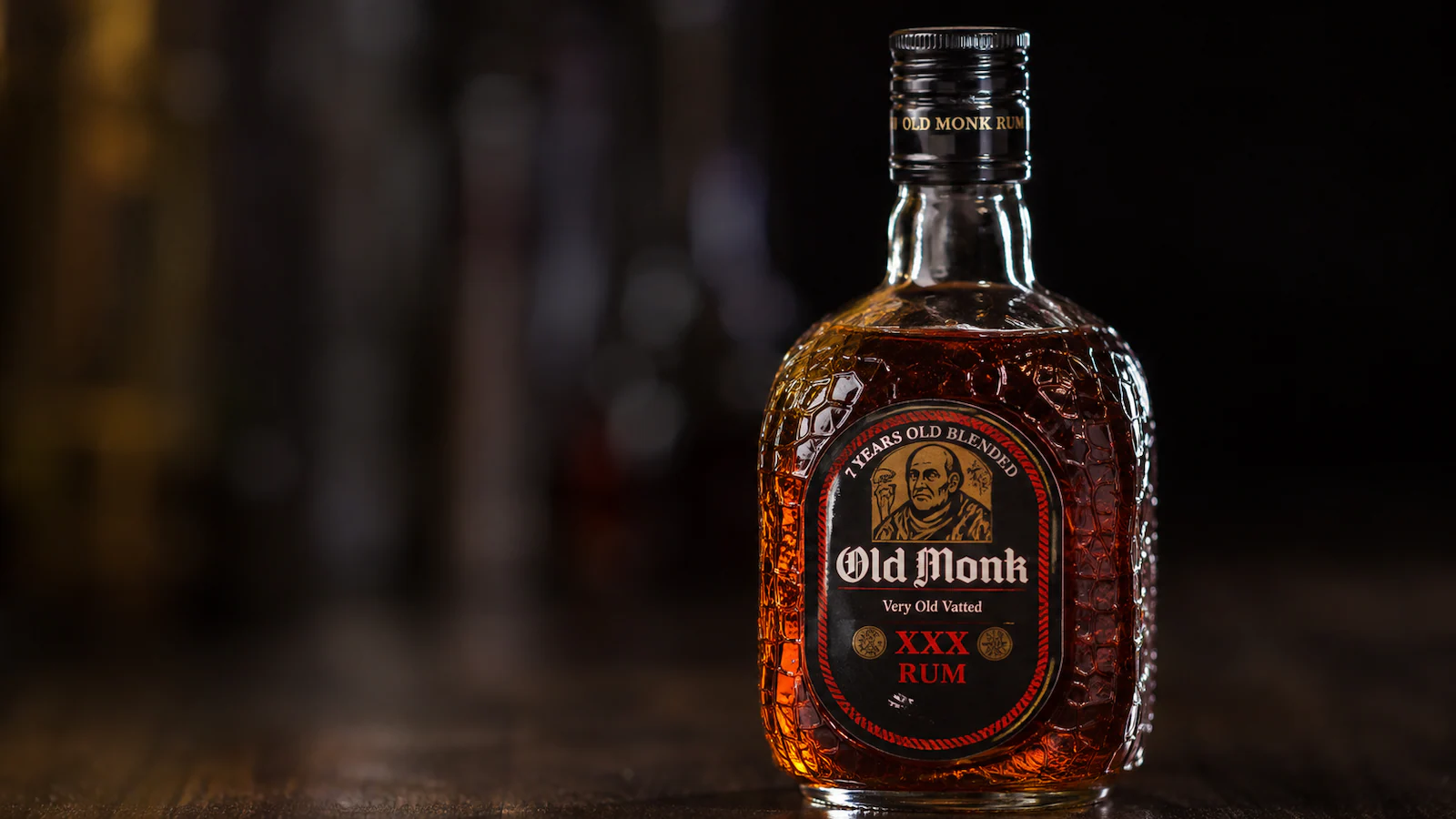
Mohan Meakin, one of India’s leading rum manufacturers, is facing a significant business setback after the Food Safety and Standards Authority of India (FSSAI) restricted the sale of three variants of its iconic Old Monk rum. The regulatory action, linked to concerns over product composition and labelling at the company’s manufacturing facility in Khopoli, Maharashtra, has severely affected its financial performance.
The impact is becoming increasingly visible in the company’s latest financial results. Mohan Meakin’s operating revenue declined by 64% year-on-year to ₹288 crore during the first half of the current financial year, compared with ₹792 crore recorded in the corresponding period last year.
The situation was even more challenging in the September quarter. The company’s revenue dropped by 77% to ₹108 crore, against ₹473 crore in the same quarter of the previous financial year. These figures highlight the scale of the business disruption following the restrictions on the affected products.
The development comes at a particularly difficult time for Old Monk, a brand that has been working to strengthen its position in India’s competitive alcoholic beverages market.
Why Has FSSAI Restricted the Sale of Three Old Monk Variants?
The regulatory action followed an inspection of Mohan Meakin’s manufacturing facility in Khopoli, Maharashtra. The FSSAI raised concerns about the composition and labelling of three Old Monk variants produced at the facility.
At the centre of the dispute is the use of neutral spirit combined with rum flavouring to manufacture the products. According to the regulator’s position, products made using this process cannot automatically be marketed as conventional rum. Instead, they should be classified and labelled as rum-flavoured spirits.
The regulator also questioned certain descriptions appearing on the product labels, including terms such as ‘7 Years Old Blended’ and ‘Very Old Vatted’. Such descriptions have raised concerns about whether consumers are receiving accurate information regarding the products’ ingredients, ageing process and actual composition.
The issue is not limited to the wording used on the bottles. It also involves the fundamental question of whether a spirit made by combining neutral alcohol with rum flavouring can legally and technically be categorised as rum under the applicable standards.
The Khopoli manufacturing facility has reportedly remained shut since May, further affecting production and the company’s ability to supply the restricted variants to the market.
Company Withdraws Bombay High Court Petition, Plans Revised Labels
The company involved in manufacturing and bottling Old Monk in Maharashtra, Mohan Rocky Springwater Breweries, had approached the Bombay High Court challenging the FSSAI’s decision.
However, during the proceedings on November 5, the company withdrew its petition. It informed the court that it intended to submit revised product labels directly to the food safety regulator and seek the necessary approval.
Following this submission, the High Court disposed of the matter after recording the company’s decision to withdraw the petition.
Before this development, the company had already indicated its willingness to remove the claim suggesting that the rum had been aged for seven years. It had also agreed to make information about the addition of flavouring more prominent on the product labels.
However, the regulator’s concerns go beyond labelling changes. The central issue remains whether the products’ actual composition meets the legal requirements for being sold under the rum category.
During an October hearing, the company’s lawyers claimed that the restrictions had caused financial losses of approximately ₹50 crore. They also argued that the disruption had resulted in an estimated ₹350 crore loss in excise revenue for the Maharashtra government and affected the livelihoods of around 300 employees.
These figures were presented as claims by the company during court proceedings and should not be treated as independently established financial assessments.
For now, the sales restrictions remain in place, leaving the company dependent on resolving the regulatory objections before the affected products can return to the Maharashtra market.
Old Monk’s Market Comeback Faces a Fresh Challenge
The regulatory dispute has emerged at a time when Mohan Meakin was attempting to strengthen Old Monk’s position in India’s rum market.
Launched several decades ago, Old Monk has developed a strong consumer following and remained one of the country’s most recognised rum brands. However, changing drinking preferences and the growing popularity of whisky affected its sales over the years.
The brand’s annual sales reportedly reached around 80 lakh cases in 2002. By 2013, the figure had declined to approximately 41 lakh cases, reflecting the competitive pressures facing the company.
Old Monk subsequently managed to regain market momentum. During the last two years, it reportedly overtook United Spirits’ McDowell’s No. 1 Celebration to become India’s largest-selling rum brand by sales volume.
In 2025, the brand recorded sales of approximately 1.4 crore cases, demonstrating its recovery and renewed popularity among consumers.
The brand’s revival also followed a period of leadership transition after the death of Mohan Meakin’s long-serving chairman, Brigadier Kapil Mohan, in 2018. The company had been working to strengthen its market presence and reconnect with consumers.
The latest regulatory restrictions have now created another hurdle for these recovery efforts.
Revenue Pressure Raises Questions About the Company’s Next Move
The sharp decline in operating revenue highlights how regulatory decisions involving a limited number of products can have wider consequences for a company’s business, particularly when those products belong to an established brand.
Mohan Meakin now faces multiple challenges, including resolving the FSSAI’s concerns, obtaining approval for revised labels, addressing questions about product classification and restoring production at its Khopoli facility.
The company’s ability to resume sales of the affected variants will depend on whether the regulator accepts its proposed changes and whether the products satisfy the applicable food safety and labelling standards.
For Old Monk, the immediate priority will be to address the regulatory dispute without further damaging its market position. Until the objections are resolved and the necessary approvals are obtained, the restrictions on the three variants are likely to remain a major obstacle to the company’s business recovery.

