

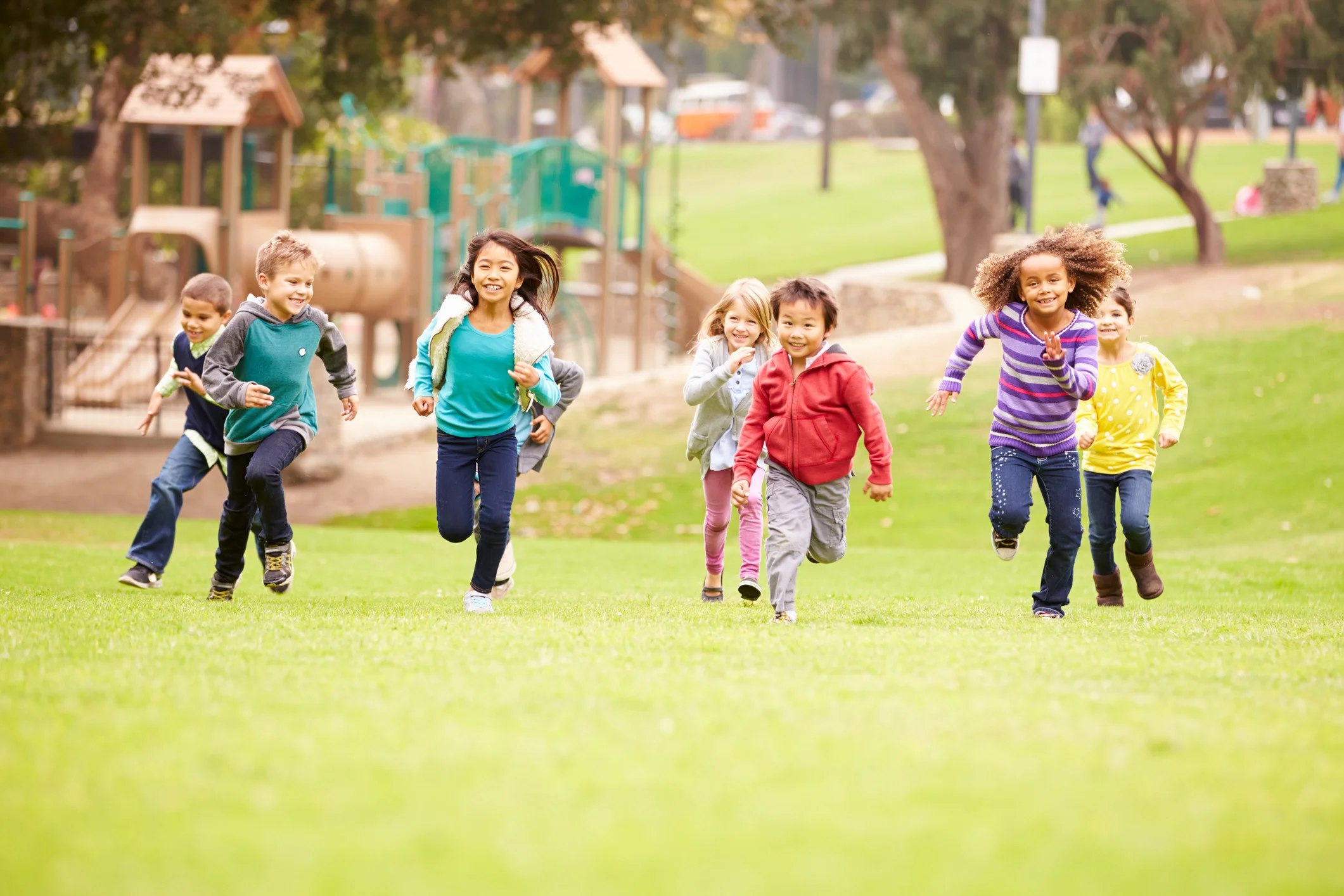
Children’s bone health is often associated with calcium supplements, vitamin D drops and fortified milk. While these nutritional sources play an important role in healthy growth, experts say they cannot replace the benefits of regular physical activity. Spending time outdoors, running, jumping and participating in sports are equally important for developing strong bones and reducing the risk of bone-related problems later in life.
Orthopaedic experts emphasise that childhood is a crucial period for building bone strength. However, increasing screen time, prolonged sitting and reduced outdoor activities are preventing many children from getting the physical movement their growing bodies need. A balanced diet combined with regular outdoor play can make a significant difference to long-term skeletal health.
Physical Activity Helps Build Stronger Bones
Bones are living tissues that continuously respond to physical activity. According to Wolff’s law, bones adapt to the mechanical stress placed on them by becoming stronger over time. Activities involving running, jumping, skipping and climbing stimulate bone development by putting healthy pressure on the skeleton.
When children participate in weight-bearing exercises, their bones receive signals to strengthen themselves by building and retaining minerals. This makes playground activities particularly beneficial during growing years.
Research suggests that regular jumping and skipping exercises can improve bone density in children. Although calcium provides essential building material, physical activity helps the body utilise it effectively. Therefore, supplements alone cannot compensate for a sedentary lifestyle.
FCRF Launches Certified Chief Risk Officer (CRO) Program for India’s Risk Leaders
Childhood Is a Crucial Window for Bone Development
Experts highlight that nearly 90 per cent of peak bone mass is achieved by the late teenage years or early twenties. A significant proportion develops during puberty, making childhood and adolescence particularly important for establishing lifelong bone health.
The growth period generally occurs earlier in girls than boys, although individual development varies. Building stronger bones during these years may help reduce the risk of osteoporosis and fractures in adulthood.
This is particularly relevant in India, where concerns about low bone density and fragility fractures highlight the importance of improving nutritional and physical activity habits from an early age.
Screen Time and Indoor Lifestyle Raise Concerns
Increasing dependence on smartphones, tablets, television and video games has reduced opportunities for outdoor movement. Studies involving Indian preschool children have reported average daily screen exposure of approximately 2.7 hours, exceeding recommended limits.
A screening of 934 children aged 8 to 15 in Bhopal also found that more than half experienced back or spinal pain during the previous year.
The World Health Organization (WHO) recommends at least 60 minutes of moderate-to-vigorous physical activity daily for children aged 5 to 17. Bone-strengthening activities, including jumping, running and sports, should be included at least three days a week.
Skipping rope, football, badminton, hopscotch and outdoor climbing are effective options. Swimming and cycling also improve fitness, although they provide less direct bone-loading stimulation.
Balanced Nutrition and Sunlight Complete the Picture
Adequate nutrition remains essential for healthy bone development. Milk, curd, cheese, lentils, green vegetables and protein-rich foods help provide important nutrients. Vitamin D supports calcium absorption, while sufficient protein contributes to bone and muscle development.
Children older than one year generally require 600 IU of vitamin D daily from all sources. However, this does not mean every child needs a 600 IU supplement. Supplementation should depend on dietary intake, individual requirements and medical advice.
Sunlight exposure can also support vitamin D production. Encouraging outdoor activities during suitable morning or late-afternoon hours can provide the combined benefits of movement and natural light.
According to Expert parents should focus not only on calcium supplements but also on ensuring children get sufficient time to run and play.
Establishing a daily outdoor play routine, limiting recreational screen time and providing balanced meals can help children develop stronger bones. Ultimately, healthy bones require both proper nutrition and regular physical activity.

