

The World Health Organization (WHO) has released its first-ever guidelines for the diagnosis and management of type 1 diabetes in adults, marking an important step towards improving access to treatment and long-term care. The recommendations are designed for use across different healthcare environments, including countries with limited resources and areas affected by emergencies or humanitarian crises.
The guidelines aim to help governments strengthen diabetes care and support WHO’s target of ensuring that everyone living with type 1 diabetes has access to affordable insulin treatment and blood glucose self-monitoring by 2030.
More than a century after insulin was discovered, access to this life-saving medicine remains a serious challenge in several parts of the world. Many people with type 1 diabetes continue to face difficulties obtaining affordable insulin, regular glucose testing facilities and essential medical support.
The new recommendations seek to establish minimum standards of care so that people with the condition can receive appropriate treatment regardless of where they live or the resources available in their healthcare system.
WHO Recommends Regular Insulin Treatment and Blood Sugar Monitoring
Type 1 diabetes is a lifelong condition in which the body’s immune system destroys the insulin-producing cells in the pancreas. As a result, the body produces little or no insulin, a hormone essential for regulating blood glucose levels. People living with this condition depend on daily insulin treatment to survive.
The WHO guidelines recommend insulin injections several times a day, with doses adjusted according to blood glucose levels. Human insulin, a manufactured medicine that works similarly to the insulin naturally produced by the body, is identified as an effective and appropriate treatment option. Other forms of insulin may also be used when clinically necessary.
Regular blood glucose monitoring is another key component of the recommendations. At healthcare facilities, this can include blood tests that measure average glucose levels over the preceding months. The HbA1c test is particularly important because it provides an indication of long-term blood sugar control.
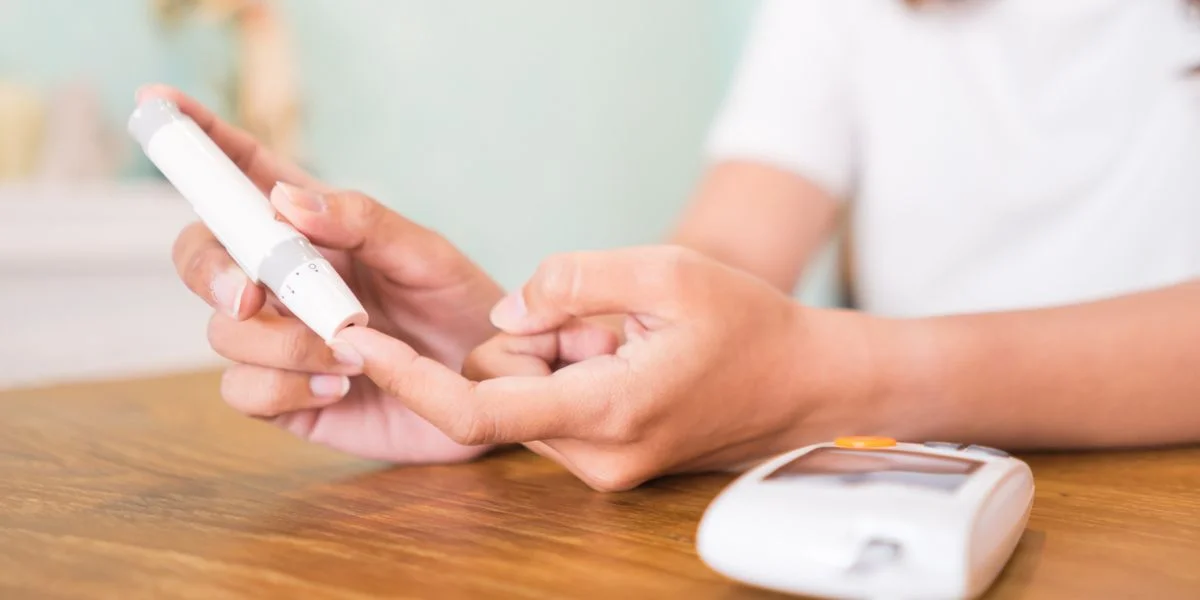
At home, patients can monitor their glucose levels using finger-prick testing devices. Where available and appropriate, continuous glucose monitoring (CGM) systems can offer more frequent information through a small sensor worn on the skin.
The WHO also recognises that not every patient has access to modern testing equipment. In places where blood glucose testing is unavailable, urine glucose testing may be considered as an alternative.
India Has Nearly One Million People Living with Type 1 Diabetes
The guidelines are particularly significant for India, which has one of the world’s largest populations of people living with type 1 diabetes. According to the estimates cited in the report, approximately 987,311 people in India were living with the condition in 2025, while around 73,567 new cases were diagnosed during the year.
Welcoming the WHO initiative, Chennai-based diabetologist Dr V. Mohan, Chairman of Dr Mohan’s Diabetes Specialities Centre and the Madras Diabetes Research Foundation (MDRF), described the guidelines as an important and much-needed development.
He emphasised that the recommendations were particularly relevant for India because of the country’s substantial type 1 diabetes burden. He also highlighted the need for regular glucose monitoring, including self-monitoring several times a day and the use of continuous glucose monitoring sensors wherever possible.
According to Dr Mohan, the guidelines outline blood glucose and HbA1c targets that patients should aim to achieve. They also communicate to governments the minimum standards of care required for children and adults living with type 1 diabetes.
He pointed out that inadequate diabetes control can lead to serious short-term and long-term health complications. These include infections, diabetic ketoacidosis and, in severe cases, coma. Over time, uncontrolled blood sugar levels can also damage the eyes, kidneys and nerves.
Diabetic ketoacidosis is a potentially life-threatening condition that develops when the body does not have enough insulin. It can cause a dangerous buildup of acids called ketones in the blood and requires urgent medical attention.
Dr Mohan welcomed the guidelines, stressing that timely diagnosis, access to insulin and consistent monitoring are essential to preventing avoidable complications.
WHO Calls for Better Access to Insulin and Stronger Healthcare Systems
WHO Director of Noncommunicable Diseases and Mental Health Dr Søren Brostrøm said that insulin remains unaffordable or unavailable for many people with type 1 diabetes despite being discovered more than 100 years ago.
He said the new guidelines provide evidence-based recommendations to help countries deliver appropriate care, including in areas where healthcare resources are limited or medical services have been disrupted.
The WHO plans to support governments in translating the recommendations into practical action through tools and guidance that can help monitor progress. It has also encouraged countries to involve people living with type 1 diabetes in the planning, implementation and evaluation of diabetes programmes.
This approach is intended to ensure that healthcare policies reflect the actual needs and experiences of patients, rather than focusing only on medical infrastructure and treatment availability.
The guidelines also reinforce the importance of making insulin, glucose-monitoring devices and essential diabetes services accessible and affordable. For many patients, the ability to monitor blood sugar regularly and adjust treatment under medical supervision can make a significant difference to their health and quality of life.
Global Diabetes Burden Continues to Rise
The WHO estimates that approximately 9.5 million people worldwide were living with type 1 diabetes in 2025, with around 500,000 additional diagnoses recorded during the year. Although the condition is commonly associated with childhood, it also affects adults, making awareness and timely diagnosis important across all age groups.
The growing burden of diabetes extends beyond type 1 diabetes. The global number of people living with diabetes has increased more than fourfold since 1990. In 2022, an estimated 830 million people worldwide were living with diabetes, the majority of whom had type 2 diabetes.
Diabetes can lead to several serious complications, including blindness, kidney failure, heart attacks, strokes and lower-limb amputations. A significant proportion of people with diabetes also remain unaware that they have the condition and therefore do not receive timely treatment.
In India, the ICMR-INDIAB study estimated that approximately 101 million people had diabetes and 136 million had prediabetes in 2021. The study also reported an estimated 315 million people with hypertension, highlighting the wider burden of metabolic and non-communicable diseases in the country.
The 2026 World Diabetes Day theme, “Early action on diabetes,” further highlights the importance of timely diagnosis, prevention of complications and access to appropriate treatment.
The WHO’s first adult type 1 diabetes guidelines represent an important step towards addressing gaps in care. However, their impact will depend on how effectively countries implement the recommendations, improve insulin availability and ensure that patients can access regular monitoring and long-term medical support.

