
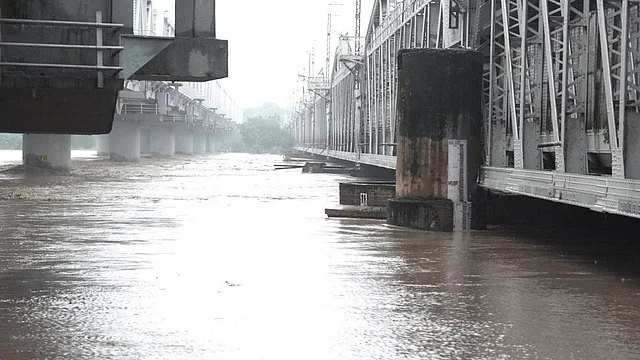
In an effort to strengthen flood protection infrastructure and prevent soil erosion along the Yamuna riverbank, the Delhi government has begun reinforcement work at the Millennium Bund. The project focuses on protecting vulnerable riverbank areas and improving the city’s preparedness for extreme weather and heavy monsoon rains.
Officials confirmed that stone pitching work is currently underway as part of the initiative. This process involves placing layers of stones on slopes along the embankment to prevent soil erosion and stabilise the riverbank.
A senior government official said the project is a crucial step in safeguarding the surrounding areas.
“This is a crucial step in strengthening the embankment and ensuring the safety of the riverbank while protecting the area from future erosion,” the official said.
Government Aims to Reduce Flood Risk in the Capital
The reinforcement work is part of a larger flood-control strategy aimed at protecting vulnerable areas along the Yamuna River.
Parvesh Sahib Singh said the government is working to strengthen embankments and improve drainage systems to reduce the risk of flooding in the national capital.
According to the minister, the measures are expected to significantly improve the city’s ability to handle heavy rainfall during the monsoon season.
“The government hopes that strengthening embankments along the Yamuna and improving the drainage network will help mitigate flood risks and enhance the city’s preparedness for extreme weather events,” he said.
What Is Stone Pitching and Why It Matters
Stone pitching is a commonly used engineering method for protecting slopes and embankments from erosion caused by flowing water.
In this process:
●Large stones are placed along the slope of the riverbank
●The stones act as a protective layer against water currents
●Soil beneath the stones remains stable and erosion is reduced
This technique is widely used in riverbank protection projects and helps maintain the structural integrity of embankments.
Officials say that the current stone pitching work at Millennium Bund will strengthen the embankment and prevent damage during periods of high river flow.
Flood Control Department Leading the Project
The initiative is being carried out by the Delhi Irrigation and Flood Control Department.
The department plays a key role in managing flood risks, maintaining drainage infrastructure and protecting riverbanks across the city.
Officials said the department has been working continuously to upgrade flood-control systems, particularly in areas that experience frequent waterlogging during heavy rainfall.
Drainage Improvements to Prevent Waterlogging
Along with strengthening embankments, authorities are also focusing on improving the city’s drainage network.
Several drains that had been causing waterlogging in nearby areas for years have recently undergone major improvement works.
These measures include:
●Large-scale desilting of drains
●Widening and deepening of drainage channels
●Removal of bottlenecks restricting water flow
●Clearing of encroachments blocking drains
Officials believe these improvements will help ensure that rainwater flows smoothly during heavy downpours.
Lessons from the 2023 Yamuna Floods
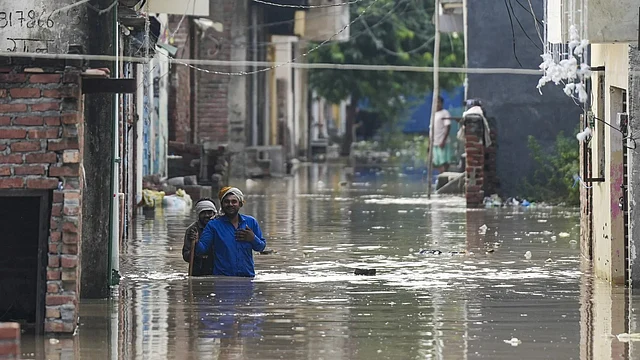
The current flood-control efforts come after severe flooding along the Yamuna River in 2023, when water levels reached record highs and several parts of Delhi remained submerged for days.
During the crisis, authorities had to take emergency measures to prevent further damage.
One of the most critical areas was Drain No. 12, a regulator drain under the Irrigation and Flood Control Department.
At that time, the Indian Army had to reinforce the drain using sandbags to prevent floodwaters from entering residential areas.
The incident highlighted the urgent need for stronger flood-control infrastructure in the city.
Preparing Delhi for Future Climate Challenges
With extreme weather events becoming more frequent due to climate change, officials say the government is prioritising projects that improve urban resilience.
Strengthening embankments, upgrading drainage systems and protecting riverbanks are part of a broader strategy to ensure that Delhi remains prepared for future monsoon challenges.
Experts believe such infrastructure upgrades are essential for safeguarding residential areas, preventing waterlogging and protecting public infrastructure.