

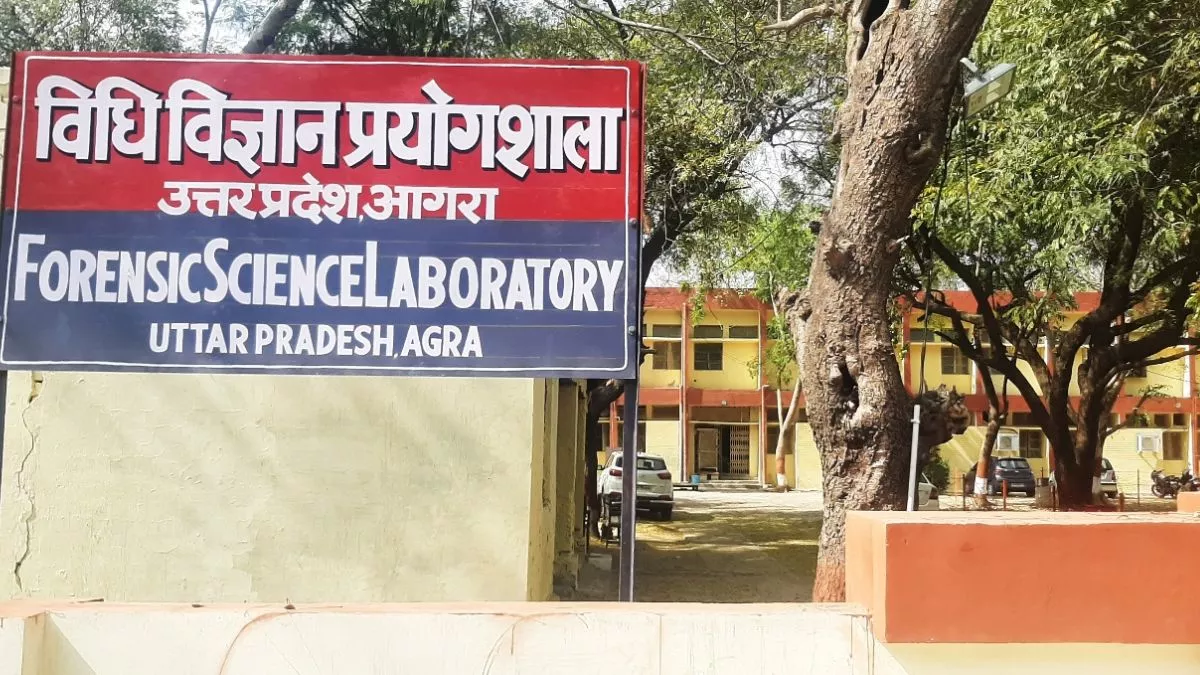
LUCKNOW: The Lucknow Bench of the Allahabad High Court has expressed serious dissatisfaction over the inadequate number of forensic science laboratories across Uttar Pradesh, observing that the current infrastructure fails to meet the needs of a state with such vast geographical size and massive population. Taking stern note of the deficiency, a division bench comprising Justice Rajesh Singh Chauhan and Justice Ram Manohar Narayan Mishra directed the director of the Uttar Pradesh Forensic Science Laboratory to submit an exhaustive counter-affidavit within four weeks. The court issued these directives while hearing a public interest litigation petition filed by advocate Piyush Gupta and fixed the matter for further hearing in the week commencing November 30, 2026.
Court Flags Deficit in Forensic Laboratories
During the proceedings, the bench took note of the factual reality that Uttar Pradesh possesses merely one state-level forensic science laboratory alongside 12 regional forensic facilities to handle its extensive caseload. This structural shortfall leaves investigative agencies critically dependent on an overburdened network, slowing the wheels of justice significantly. The petitioner argued that this restricted capacity cannot support the escalating requirement for scientific investigations in modern policing, making administrative expansion urgent. To underline the stark institutional gap, the petitioner placed official parliamentary records before the bench, citing Union Ministry of Home Affairs data presented in the Lok Sabha that detailed the comparative distribution of forensic laboratories nationwide.
Plea Demands Strict Standard Operating Procedures
The public interest litigation urges the court to mandate a comprehensive standard operating procedure for forensic examinations that the state government must officially notify. Under this proposed framework, clear maximum time limits must govern the entire process, starting from the receipt of evidence samples to the formal delivery of the completed forensic report. The petition emphasizes that priority handling should apply to cases where the accused individuals remain lodged in judicial custody. Furthermore, the plea highlights the mandate under Section 193 of the Bharatiya Nagarik Suraksha Sanhita, demanding a time-bound mechanism to complete investigations into specified sexual offences within two months.
Extended Delays Harm Victims and Undetrials
The petition underlines that procedural bottlenecks in releasing forensic findings place immense strain on the legal system, prejudicing undertrial prisoners whose trials face unwarranted stagnation while they remain behind bars. These setbacks directly impede the prosecution’s case in heinous offences, including rape and murder, where scientific proof is vital to secure convictions. Prolonged testing routines also delay justice for crime victims and their grieving kin. With the matter slated for late November 2026, the forthcoming affidavit from the laboratory director must explain how the state plans to overcome its institutional backlog and institute enforceable testing schedules.

