

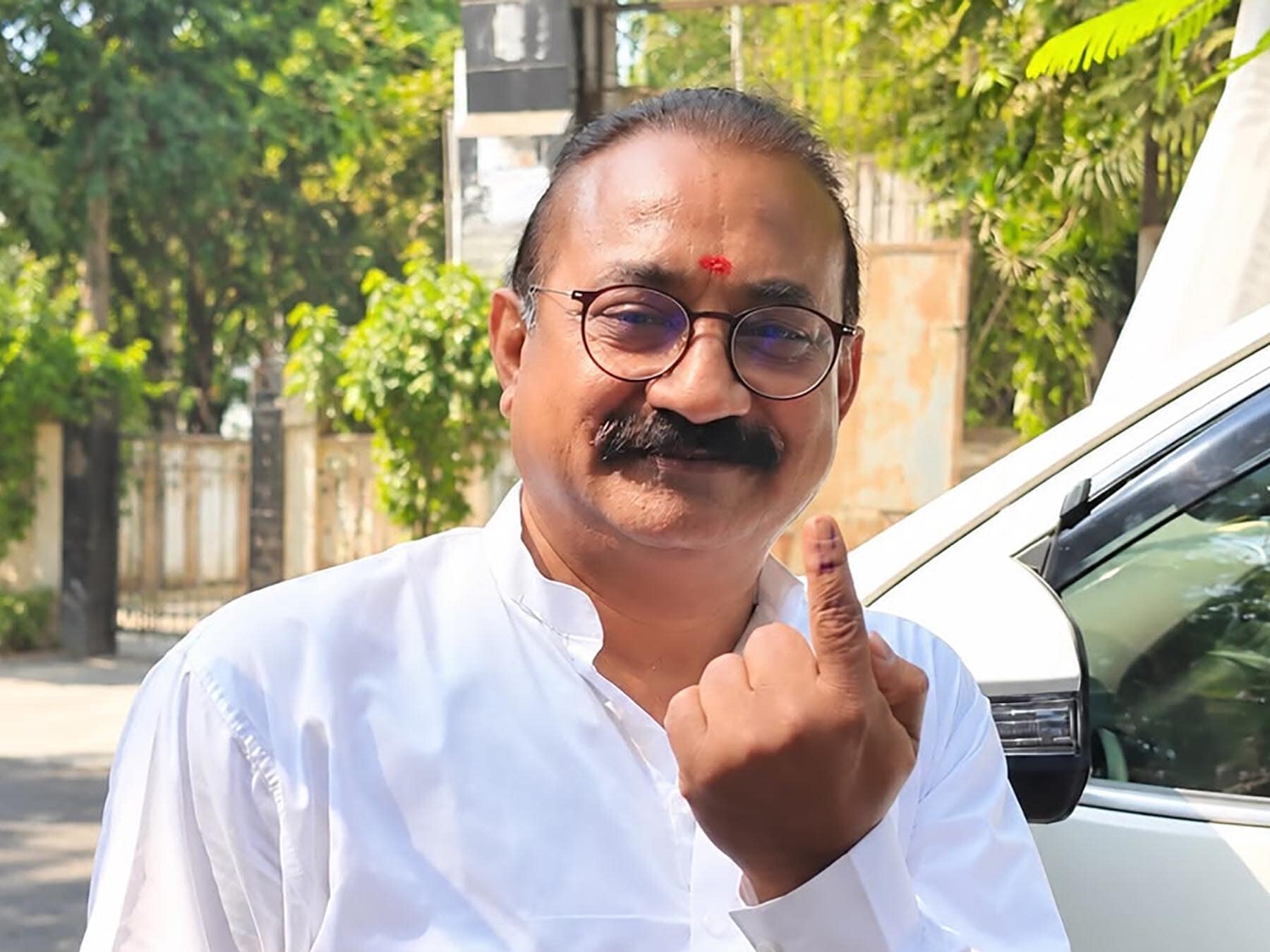
Patna: The Legislative Council membership of Bihar Food and Consumer Protection Minister and Janata Dal (United) leader Ashok Choudhary faces uncertainty after Raj Bhavan termed his appointment as an assistant professor at AN College in Patna an office of profit. According to Raj Bhavan’s observation, continuing to hold the post could form the basis for disqualification proceedings against him. However, the final decision regarding his disqualification rests with the Chairman of the Bihar Legislative Council.
Choudhary took charge as an assistant professor in the Political Science department at AN College, which falls under Patliputra University, on February 17. At the time of his joining, he was already serving as a Member of the Legislative Council and a minister in the state government. The very next day, on February 18, he went on leave to fulfill his political and ministerial responsibilities.
The appointment and his immediate leave triggered questions within the university. The matter reached the university syndicate meeting on August 19, prompting Vice-Chancellor Upendra Prasad Singh to seek clarification from the Governor’s Secretariat. He asked whether Choudhary could be granted a lien, which preserves a right to return to a post, and whether the assistant professor position would be considered an office of profit for a public representative.
Raj Bhavan Rejects Lien Claim
In a note issued on October 31, the Governor’s then Additional Chief Secretary, Deepak Kumar Singh, stated that Choudhary is not entitled to a lien because he is currently on probation. According to the note, Section 68(2) of the Bihar State Universities Act, 1976, provides special leave to university employees who are elected to the legislature while in service. However, this provision does not apply to lawmakers who were already public representatives before being appointed as university teachers.
The Raj Bhavan note further clarified that the post of assistant professor constitutes an office of profit. It stated that drawing a salary is not a necessary condition to arrive at this conclusion, meaning questions over the nature of the post remain valid even if Choudhary is on leave or not receiving pay. Nevertheless, the note maintained that the final authority to terminate his membership or decide on disqualification lies within the jurisdiction of the Legislative Council Chairman.
Legal Opinion Sought and Minister’s Response
To clarify the legal position, Raj Bhavan has sought the opinion of Bihar’s Advocate General. Meanwhile, Deepak Kumar Singh, who issued the October 31 note, was transferred on November 4 and appointed Chief Advisor to the Bihar State Planning Board. His transfer, however, has not ended the controversy surrounding Choudhary’s appointment.
Objecting to Raj Bhavan’s remarks, Choudhary termed the note motivated. He argued that employees on probation in other state universities have been granted the facility of lien, citing precedents from Magadh University and BR Ambedkar Bihar University where relief was allegedly given in similar cases. Choudhary stated that Section 68(2) of the Act aims to protect university staff entering the legislature and should be interpreted fairly in line with its legislative intent. He also pointed out that several public representatives in Bihar have held academic posts, with some serving as professors and assistant professors.
Another JDU Leader Faces Membership Row
The controversy emerges at a time when another JDU leader, Mokama MLA Anant Kumar Singh, has also faced questions over his legislative membership. The Bihar Assembly Secretariat recently issued a notice to Anant Singh seeking his response within a stipulated timeframe over allegations of anti-party activities during the recent Legislative Council elections.
JDU State President Umesh Singh Kushwaha had urged Assembly Speaker Prem Kumar to terminate Anant Singh’s membership, following which the party expelled him from its primary membership for six years. However, expulsion from a party and disqualification from the Assembly remain separate legal processes. In Choudhary’s case, the Advocate General’s opinion and the Council Chairman’s ruling will now determine the fate of his membership.

