

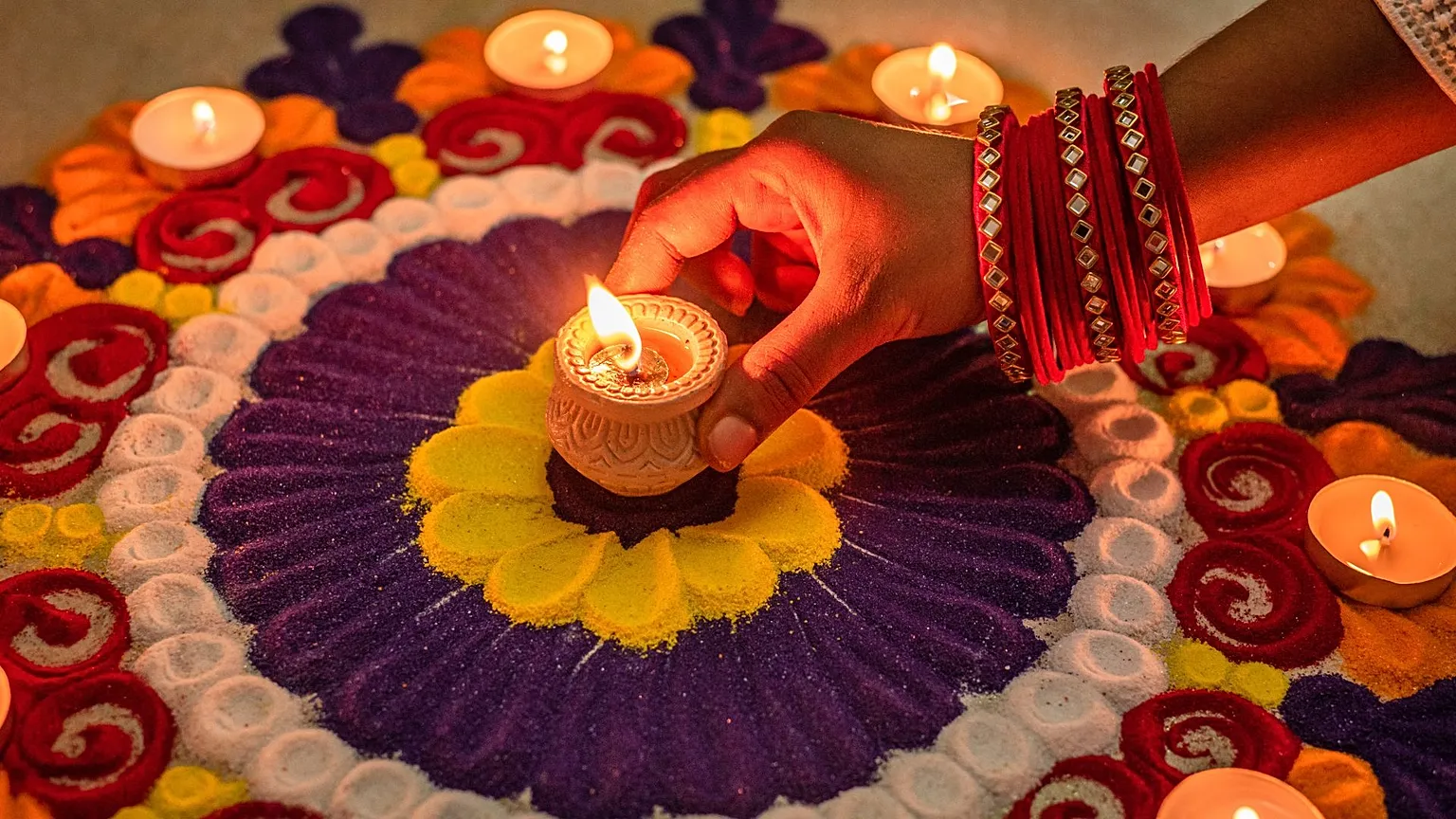
Diwali, widely known as the festival of lights, is one of India’s most significant festivals. Celebrated with great enthusiasm across the country, it represents the victory of good over evil and light over darkness. Homes are decorated with colourful rangolis, traditional diyas, flowers and decorative lights, while families come together to exchange gifts and enjoy festive delicacies. However, changing patterns of celebration have also raised concerns about air pollution, excessive noise, plastic waste and environmental damage.
With growing awareness about environmental protection, the idea of an eco-friendly Diwali is gaining importance. People are increasingly recognising that festivals can be celebrated with happiness and enthusiasm without putting unnecessary pressure on nature. Sustainable celebrations offer an opportunity to preserve traditions while making environmentally responsible choices.
Growing Environmental Concerns During Diwali
Although Diwali is traditionally associated with lighting earthen lamps and sharing happiness, modern celebrations often involve extensive use of firecrackers, plastic decorations and disposable products. These activities can contribute to environmental pollution.
Firecrackers release smoke, fine particulate matter and harmful gases into the atmosphere, potentially worsening air quality. This can be particularly concerning for children, elderly people and individuals with respiratory conditions. Loud fireworks also create noise pollution, disturbing patients, infants, senior citizens and animals.
Another major concern is the increasing amount of waste generated through plastic packaging, decorative materials and disposable food containers. Chemical residues from fireworks can also contaminate soil and water. These challenges highlight the importance of adopting cleaner and more responsible ways to celebrate the festival.
Simple Ways to Make Diwali Environment-Friendly
Celebrating a green Diwali does not require abandoning traditional customs. Small changes in everyday choices can help reduce environmental damage while maintaining the festive atmosphere.
One of the most effective steps is to avoid firecrackers and choose quieter forms of celebration. Families can enjoy the festival through traditional music, cultural programmes, community gatherings and lighting diyas.
Using handmade clay lamps instead of excessive plastic decorations is another sustainable option. Traditional earthen diyas create a warm festive atmosphere and can be reused or disposed of more responsibly. People can also prepare rangolis using flower petals, rice flour, turmeric and other natural materials.
For home decoration, reusable fabric items, fresh flowers, paper crafts and energy-efficient LED lights can reduce unnecessary waste. Choosing locally made products and supporting small businesses can further encourage sustainable consumption.
Sustainable Food, Gifts and Festive Shopping
Food and gift exchanges are important parts of Diwali celebrations, but excessive shopping and food wastage can increase the environmental burden. Planning purchases carefully can make celebrations more responsible.
Families should prepare food according to the number of guests and avoid unnecessary quantities. Leftover food can be stored safely or shared with people in need. Homemade sweets and snacks can also provide an alternative to heavily packaged products.
When choosing gifts, people can consider indoor plants, handmade products, books, reusable household items and locally produced goods. Avoiding excessive plastic packaging and using recyclable or reusable wrapping materials can help reduce waste.
Consumers can also support local artisans by purchasing handmade diyas, decorative products and traditional crafts instead of choosing unnecessary disposable decorations.
Spreading Awareness for a Greener Future
Making Diwali environmentally friendly requires collective participation from families, schools, communities and local organisations. Parents can encourage children to make handmade decorations, plant trees and understand the importance of protecting nature.
Schools and residential communities can organise awareness campaigns, rangoli competitions using natural materials and activities promoting waste segregation. Such initiatives can help make environmental responsibility an important part of festival celebrations.
People should also remain mindful of animals and vulnerable members of society who may suffer due to loud fireworks and excessive noise. Choosing peaceful celebrations can make the festival more inclusive and enjoyable for everyone.
Conclusion
Diwali is a celebration of light, happiness, hope and togetherness. Its true spirit can be preserved through thoughtful choices that respect both cultural traditions and the environment. Avoiding firecrackers, reducing plastic waste, choosing sustainable decorations and preventing food wastage are practical steps towards a cleaner celebration.
An eco-friendly Diwali is not about reducing festive joy; it is about celebrating more responsibly. By making small changes today, people can help create a healthier environment for future generations while keeping the beauty and traditions of the festival alive.

