

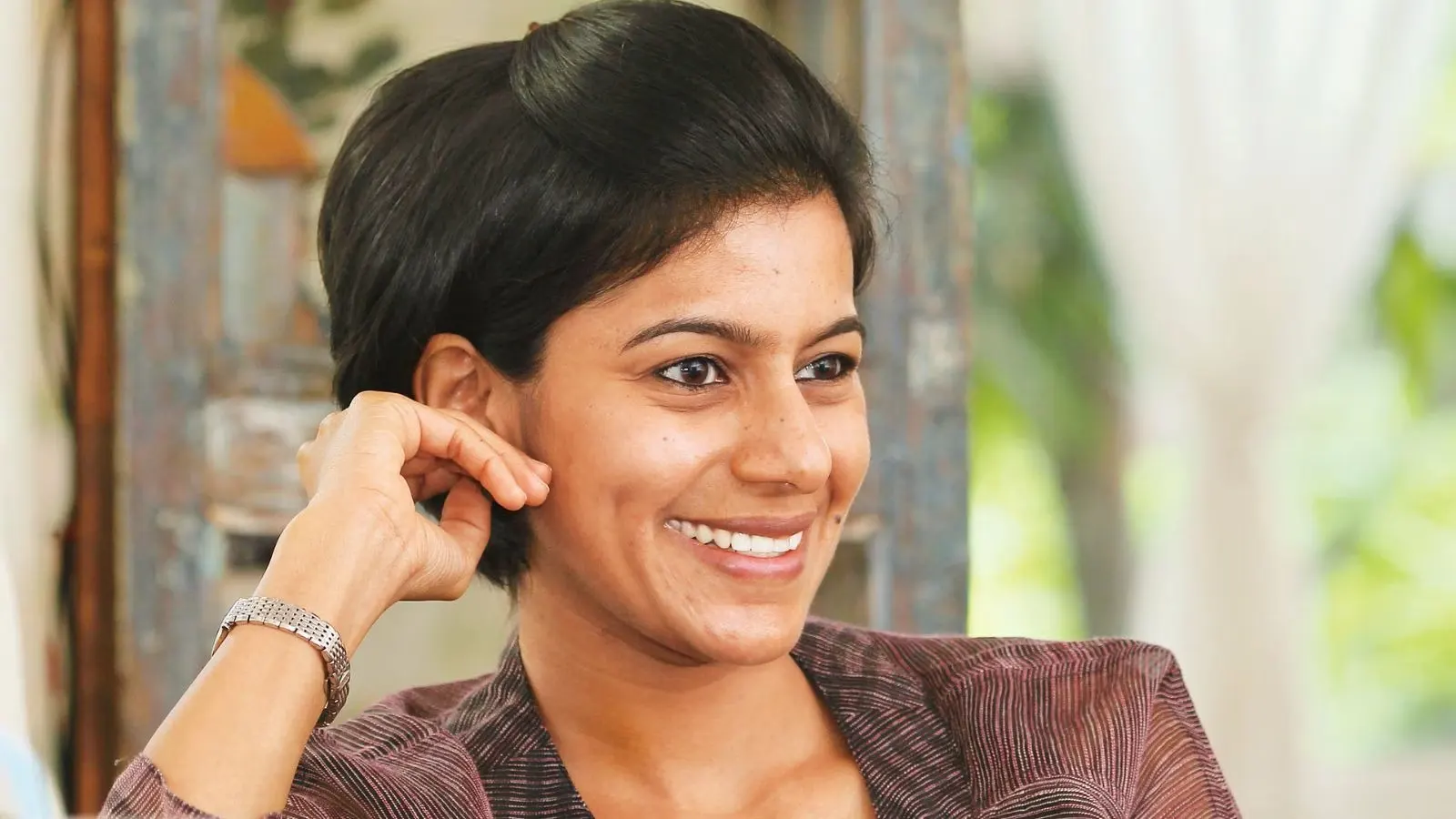
A dispute over the division of family wealth and business interests within the founding family of the TVS Group has intensified, with industrialist Venu Srinivasan’s daughter, Lakshmi Venu, seeking an equal share in the family’s assets. The legal battle has brought two senior advocates, Kapil Sibal and Abhishek Manu Singhvi, on opposing sides.
Sibal is representing Lakshmi Venu and her mother, Mallika Srinivasan, while Singhvi is appearing for Venu Srinivasan. The central question is whether the family’s business interests can be treated as Venu Srinivasan’s personal property and whether he has the unilateral authority to decide how they should be distributed between his son and daughter.
Lakshmi has reportedly issued a partition notice seeking an equal share in the family assets under the Hindu Succession Act. Her mother has also supported her claim. The dispute came to light after Lakshmi allegedly learnt through media reports that around 95% of the family business had been allocated to her brother, Sudarshan Venu.
Kapil Sibal Questions Unequal Distribution of Family Wealth
Representing Lakshmi and Mallika, Kapil Sibal argued that the TVS business was not the personal achievement of a single generation but an enterprise built through the efforts of several generations. He pointed out that the business was established in 1911 by Venu Srinivasan’s great-grandfather and was subsequently expanded by his grandfather and father.
Sibal maintained that an enterprise developed over generations cannot automatically be treated as the exclusive personal property of its present head. He questioned the basis on which 95% of the business interests had allegedly been allocated to the son while the daughter was seeking equal rights.
He also referred to the 1989 amendment to the Hindu Succession law in Tamil Nadu and the 2005 amendment to the Hindu Succession Act, arguing that daughters are entitled to the same rights as sons in ancestral and coparcenary property.
Sibal further stressed the distinction between ownership and management. According to his arguments, an agreement signed by four family members in March 2024 dealt with the management of companies but did not extinguish Lakshmi’s alleged beneficial ownership rights.
Singhvi Relies on 2017 Family Settlement
Defending Venu Srinivasan, Abhishek Manu Singhvi argued that the nature of the assets and the family’s previous agreements must be examined before determining the dispute. He challenged the assumption that all family assets were ancestral, maintaining that some properties had been independently acquired by Venu Srinivasan and could therefore be distributed according to his wishes.
Singhvi said the ancestral property had already been divided through a written family settlement signed by all four family members in 2017. The agreement reportedly provided for the dissolution of the Hindu Undivided Family (HUF) and the division of ancestral assets.
Describing the settlement as final and binding, Singhvi argued that it could not be reopened simply because the value of the businesses had increased or a family member was dissatisfied with the arrangement.
Tractor Business and Trust Interests Cited in Defence
Singhvi also argued that Lakshmi’s family had not been completely excluded from the family’s business interests. According to him, the broader family understanding provided for the tractor business associated with Mallika Srinivasan’s enterprise to remain with the daughter or her family, while the automobile business was allocated to the son.
He also referred to the die-casting business of Sundaram-Clayton, which is controlled through the V.S. Trust. Singhvi acknowledged that Lakshmi herself was not a beneficiary of the trust but said her son had been included as a beneficiary. He argued that the benefits arising from the trust’s shareholding would consequently reach Lakshmi’s family.
₹2,000 Crore Share Purchase and Family Contributions
Singhvi further cited a broader family settlement reached in 2020 between Venu Srinivasan and his brothers. He said Venu was required to pay approximately ₹2,000 crore to acquire his brothers’ stakes in the automobile business.
According to Singhvi, Venu had sought financial contributions from Mallika and Lakshmi for the transaction, but both declined. He maintained that the family settlement did not make them legally obligated to contribute towards the payment.
Venu subsequently borrowed money and used his own resources to purchase the shares. Singhvi argued that the resulting debt burden rests with Venu and Sudarshan.
The dispute is expected to hinge on the legal classification of the assets, the terms and validity of earlier family settlements, and Lakshmi Venu’s claim to inheritance rights. The competing arguments place the distinction between ancestral property, self-acquired assets, business management and beneficial ownership at the centre of the controversy.

