

India has traditionally been known for its strong family values, where caring for elderly parents and grandparents has been considered an important responsibility. In many Indian households, grandparents play a significant role in raising children, sharing life experiences and passing on cultural traditions. However, changing lifestyles, urbanisation, growing work pressures and the increasing popularity of nuclear families are gradually transforming the way elderly people are cared for.
In this changing social environment, old age homes are becoming an increasingly important part of India’s senior-care system. Once viewed primarily as places for abandoned or neglected elderly people, these institutions are now also emerging as organised residential facilities that offer healthcare, companionship, security and opportunities for independent living.
But an important question remains: Are old age homes becoming a safe haven for senior citizens, or do they reflect changing family values and weakening traditional relationships?
Why Are More Elderly People Moving into Old Age Homes?
Several social and economic factors are influencing the growing demand for old age homes in India. One of the major reasons is the transformation of family structures. With younger generations moving to metropolitan cities or foreign countries for employment and education, many elderly parents are left living alone.
Professional commitments, demanding work schedules and financial responsibilities can also make it difficult for families to provide continuous care to ageing members. In some cases, senior citizens may not have children or close relatives who can support them.
Another important factor is the increasing desire among older adults to maintain independence. Some financially secure senior citizens voluntarily choose retirement communities or assisted-living facilities because they prefer a structured lifestyle with access to healthcare, recreational activities and social interaction.
However, not every elderly person enters an old age home by choice. Family conflicts, financial difficulties, neglect, abandonment and domestic abuse can also force senior citizens to seek institutional care.
Old Age Homes: A Safe Haven for Senior Citizens
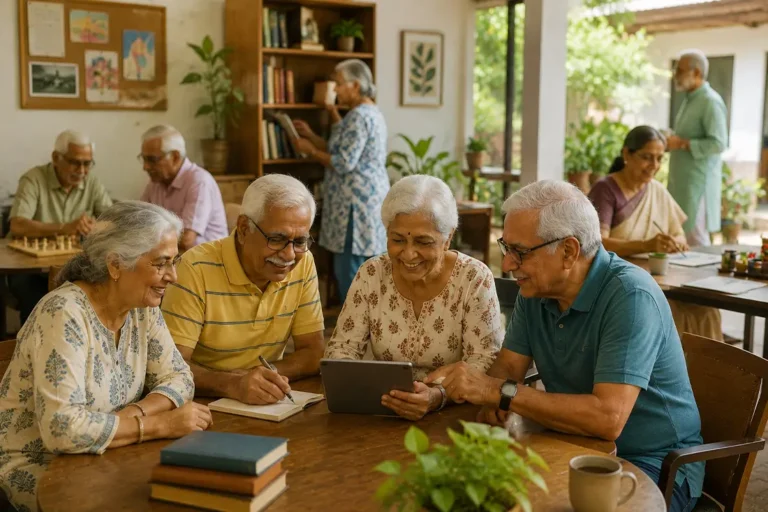
Modern old age homes are gradually changing the perception of elderly care in India. Many facilities provide comfortable accommodation, nutritious meals, regular medical check-ups, emergency assistance and recreational activities.
For senior citizens dealing with loneliness, living in a community of people belonging to similar age groups can offer emotional support and companionship. Activities such as yoga, meditation, gardening, cultural programmes, indoor games and group discussions help residents remain physically and mentally active.
Healthcare is another important advantage. Elderly people often require regular monitoring, medication management and assistance with everyday activities. Well-managed residential facilities can provide access to trained caregivers, nurses and medical professionals.
Some senior citizens also appreciate the opportunity to make independent decisions without depending entirely on family members. For them, an old age home can represent security, dignity and a fresh beginning rather than separation from family.
Nevertheless, the quality of care differs considerably between institutions. Poor infrastructure, inadequate medical facilities, insufficient staff and financial exploitation remain concerns that families should carefully consider before selecting a facility.
Changing Family Values and the Emotional Challenges
Despite the benefits, the increasing dependence on institutional elderly care raises important questions about changing family relationships.
Traditionally, Indian families considered looking after ageing parents a moral and emotional responsibility. Today, migration, smaller households, changing priorities and financial pressures have altered this arrangement.
However, it would be unfair to assume that every family choosing an old age home has abandoned its responsibilities. In certain situations, professional care may provide better medical attention and daily assistance than family members can manage independently.
At the same time, moving away from familiar surroundings can create emotional difficulties for elderly residents. Separation from children, grandchildren, neighbourhoods and lifelong memories may lead to loneliness, sadness and feelings of isolation.
Regular family visits, phone calls, video conversations and participation in important family occasions can help maintain emotional connections. Families must understand that providing financial support alone is not enough; elderly parents also need affection, respect, attention and meaningful companionship.
Government Initiatives and the Need for Better Elderly Care
India has introduced several measures to protect the rights and welfare of senior citizens. The Maintenance and Welfare of Parents and Senior Citizens Act, 2007, provides a legal framework for parents and senior citizens to seek maintenance from children or relatives responsible for their care under the law.
The government also operates the Atal Vayo Abhyuday Yojana (AVYAY), which aims to support senior citizens through initiatives related to healthcare, shelter, active ageing and social security.
The Integrated Programme for Senior Citizens (IPSrC), implemented under AVYAY, supports eligible institutions providing services such as shelter, food, medical care and recreational facilities for elderly people.
Despite these initiatives, greater attention is needed to improve the accessibility, affordability and quality of old age homes, particularly for economically weaker senior citizens living in rural and semi-urban areas.
Conclusion: Care, Dignity and Family Responsibility Must Go Together
Old age homes should not automatically be viewed as symbols of broken families or neglected parents. For many elderly people, they provide a secure environment, professional assistance and an opportunity to build meaningful relationships during their later years.
At the same time, institutional care should not become an excuse for families to withdraw emotionally from their ageing parents.
The real measure of a society’s progress is not simply how many old age homes it establishes, but how respectfully and compassionately it treats its senior citizens.
Whether elderly parents live with their children, independently or in residential care facilities, they deserve dignity, security, affection and the freedom to make decisions about their own lives. Ultimately, old age homes can provide shelter and support, but the warmth of family relationships remains equally important.

