

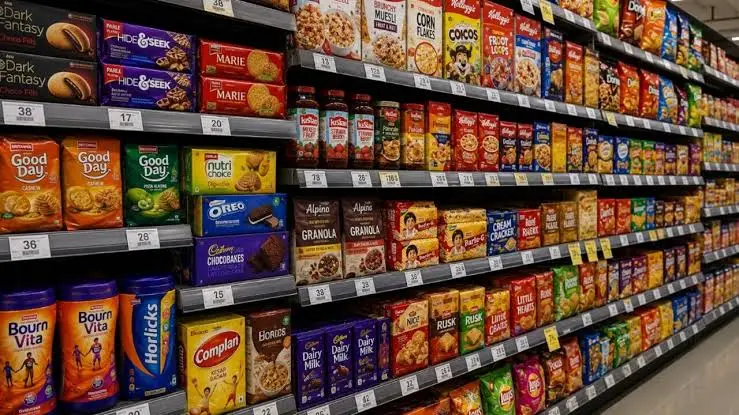
Packaged food has become a regular part of modern lifestyles. From breakfast cereals, instant noodles and ready-to-eat meals to biscuits, chips, frozen snacks and sugary beverages, packaged products are widely available and offer convenience to people with busy schedules. Their longer shelf life, easy availability and attractive packaging make them a popular choice among children, working professionals and families.
However, not all packaged foods offer the same nutritional value. While some products can be part of a balanced diet, others contain excessive amounts of salt, added sugar, unhealthy fats and artificial additives. Regularly consuming highly processed packaged foods may affect overall health and increase the risk of several lifestyle-related health problems.
Understanding food labels, ingredients and nutritional information is essential to making healthier choices. Here are seven important health risks associated with excessive consumption of packaged and highly processed foods.
1. Excessive Salt Can Increase Blood Pressure
Many packaged snacks, instant noodles, chips, sauces, soups and ready-to-eat meals contain high amounts of sodium. Salt is commonly used to improve taste, preserve food and maintain its texture.
Consuming too much sodium over time can contribute to high blood pressure, also known as hypertension. High blood pressure increases the risk of heart disease, stroke and kidney-related complications.
People who regularly eat packaged snacks should check the sodium content mentioned on food labels. Choosing low-sodium alternatives and limiting salty processed products can help reduce daily salt intake.
2. Added Sugar May Increase the Risk of Diabetes
Packaged breakfast cereals, flavoured yoghurt, biscuits, energy drinks, fruit-based beverages and desserts may contain significant amounts of added sugar.
Frequent consumption of foods and drinks high in added sugar can contribute to weight gain, increased blood glucose levels and insulin resistance. Over time, these factors may raise the risk of developing Type 2 diabetes.
Consumers should not rely only on terms such as ‘natural’, ‘healthy’ or ‘low fat’ displayed on the front of a packet. Checking the ingredients list and added sugar information provides a clearer picture of the product’s nutritional value.
3. Unhealthy Fats Can Affect Heart Health
Some packaged bakery products, fried snacks, instant foods and processed desserts contain high amounts of saturated fats. Certain products may also contain industrial trans fats, although their use is restricted or regulated in many countries.
Excessive consumption of saturated and trans fats can negatively affect cholesterol levels. Trans fats, in particular, increase LDL (bad) cholesterol and lower HDL (good) cholesterol, raising the risk of cardiovascular diseases.
Choosing products with healthier fat profiles and limiting frequently consumed fried and heavily processed foods can support better heart health.
4. Low Fibre Content Can Affect Digestion
Many highly processed packaged foods are made using refined flour and contain little dietary fibre. Examples include certain biscuits, white bread products, instant noodles, sugary cereals and packaged bakery items.
Fibre plays an important role in maintaining digestive health, supporting regular bowel movements and promoting a feeling of fullness. A diet consistently low in fibre may contribute to constipation and make it harder to maintain a healthy weight.
Including fresh fruits, vegetables, whole grains, pulses, nuts and seeds in daily meals can help improve fibre intake.
5. Excessive Consumption May Lead to Weight Gain
Highly processed packaged foods are often designed to be convenient, flavourful and easy to consume. Some products contain high amounts of calories while providing relatively little fibre and protein.
Eating these foods frequently, particularly in large portions, can increase overall calorie intake. Sugary drinks, chips, cookies and packaged desserts may also encourage repeated snacking without providing lasting fullness.
Over time, consistently consuming more calories than the body uses can contribute to weight gain and obesity. Maintaining portion control and choosing balanced meals can help manage this risk.
6. Food Additives and Preservatives Require Attention
Preservatives, colours, flavour enhancers, stabilisers and emulsifiers are commonly used in packaged foods to maintain freshness, appearance, taste and texture.
Many approved food additives are considered safe when used within prescribed limits. However, some individuals may experience sensitivity or allergic reactions to particular ingredients. Certain additives may also be unsuitable for people with specific dietary restrictions or medical needs.
Consumers should read ingredient lists carefully, especially when purchasing products containing multiple additives. It is also important to remember that the presence of an additive does not automatically mean a food product is unsafe.
7. High Consumption of Ultra-Processed Foods May Affect Long-Term Health
Ultra-processed foods generally contain ingredients and formulations that are not commonly used in home cooking. These may include refined starches, added sugars, flavourings, colourings and other industrial ingredients.
Research has associated higher consumption of ultra-processed foods with an increased risk of obesity, Type 2 diabetes, cardiovascular disease and other health problems. However, these associations do not mean that every packaged product causes disease.
The overall quality of a person’s diet, physical activity, lifestyle and other health factors also influence long-term health outcomes.
How to Choose Packaged Food More Carefully
Avoiding every packaged food product is neither necessary nor practical. The key is to understand what goes into the food and how frequently it is consumed.
Before purchasing a packaged product, check the nutrition label for calories, sodium, added sugar, saturated fat and dietary fibre. Read the ingredient list and pay attention to serving sizes, as the nutritional information may be provided for a portion smaller than the amount usually consumed.
Prefer products made with whole grains, pulses, nuts and other nutrient-rich ingredients. Choose water instead of sugary beverages and replace frequent packaged snacking with fresh fruits, homemade snacks or unsalted nuts.
The Bottom Line
Packaged foods can offer convenience, but relying heavily on highly processed products may affect nutritional balance and long-term health. Making informed food choices, understanding nutrition labels and including more fresh, minimally processed ingredients in everyday meals can help build healthier eating habits.

