

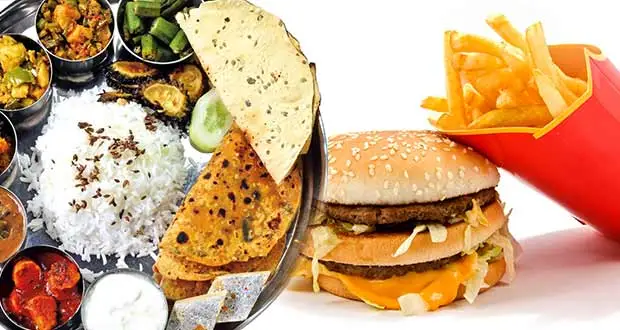
India has a rich food culture shaped by regional traditions, seasonal ingredients and diverse cooking methods. From dal, roti and seasonal vegetables to idli, dosa, millets and curd, traditional Indian meals offer a variety of nutrients. At the same time, modern eating habits increasingly include packaged snacks, fast food, sugary drinks and convenience meals. As lifestyles change, an important question arises: what makes a balanced diet, and how can traditional Indian foods and modern dietary choices contribute to better health?
A balanced diet is not about choosing traditional food over modern food in every situation. It is about consuming the right combination of nutrients, maintaining suitable portion sizes and developing sustainable eating habits.
The Nutritional Value of Traditional Indian Foods
Traditional Indian diets include a wide range of foods that can support overall health. Lentils, chickpeas, beans and other pulses provide protein and fibre, while whole-wheat roti, brown rice and millets supply carbohydrates and energy. Seasonal vegetables and fruits provide vitamins, minerals and dietary fibre.
Fermented foods such as idli, dosa batter, dhokla and curd are also common in many Indian households. Depending on their preparation, some fermented foods may contain beneficial microorganisms. Nuts, seeds and ingredients such as mustard oil, groundnut oil and other unsaturated-fat sources can contribute healthy fats when consumed in appropriate quantities.
Regional food traditions also encourage the use of seasonal produce and a variety of ingredients. However, traditional food is not automatically healthy in every form. Excessive ghee, deep-frying, large portions of refined grains and frequent consumption of sweets can increase calorie intake. The nutritional value of a meal depends on its ingredients, preparation and portion size.
Modern Diets: Convenience and Potential Risks
Modern diets offer convenience for people with busy schedules. Frozen vegetables, fortified foods, packaged whole-grain products and ready-to-cook meals can help simplify meal preparation. Some modern food products also provide useful nutrients when selected carefully.
However, frequent consumption of highly processed foods can make a balanced diet more difficult to maintain. Packaged snacks, sugary beverages, processed meats and many fast-food meals may contain high levels of salt, added sugar or unhealthy fats while providing relatively little fibre.
Eating these foods regularly in place of fruits, vegetables, pulses and whole grains may contribute to excessive calorie intake and increase the risk of health problems over time. Skipping meals, following restrictive fad diets and relying on supplements instead of varied foods can also undermine nutritional balance.
The solution is not to reject every packaged product but to read nutrition labels, compare ingredients and make informed choices.
What Does a Balanced Diet Actually Look Like?
A balanced diet provides carbohydrates, protein, healthy fats, vitamins, minerals, fibre and sufficient water. The right proportions vary according to age, activity level, health conditions and individual nutritional needs.
For an everyday Indian meal, aim to include vegetables, a source of protein such as dal, beans, paneer, eggs or fish, and a suitable portion of whole grains such as roti, brown rice or millets. Include fruit, nuts or seeds where appropriate, and choose water instead of sugary drinks most of the time.
A practical meal could consist of roti, dal, a seasonal vegetable preparation, curd and a serving of fruit. Another option could be idli with sambar and vegetables. Both traditional and modern recipes can fit into a healthy diet when their ingredients and portions are appropriate.
Variety is equally important. No single food supplies every nutrient in the quantities the body needs. People with specific medical conditions or dietary restrictions should seek personalised advice from a qualified healthcare professional or registered dietitian.
Building Healthier Eating Habits for the Future
Improving nutrition does not require expensive ingredients or dramatic lifestyle changes. Planning meals, eating a variety of foods, controlling portions and preparing meals at home more often can make a meaningful difference.
Families can preserve traditional recipes while reducing excessive salt, added sugar and deep-frying. Young people can learn basic cooking skills and choose nutritious snacks such as fruit, roasted chickpeas, unsalted nuts or plain yoghurt instead of relying routinely on highly processed options.
Regular physical activity, adequate sleep and mindful eating also support overall well-being. Rather than following short-term diet trends, people should focus on habits they can maintain consistently.
Conclusion
Traditional Indian foods and modern dietary options can both contribute to good health. The key is to prioritise variety, balance, appropriate portions and minimally processed ingredients while limiting excessive salt, added sugar and unhealthy fats. By combining the strengths of traditional food culture with informed modern choices, people can develop practical eating habits that support long-term health and well-being.

