

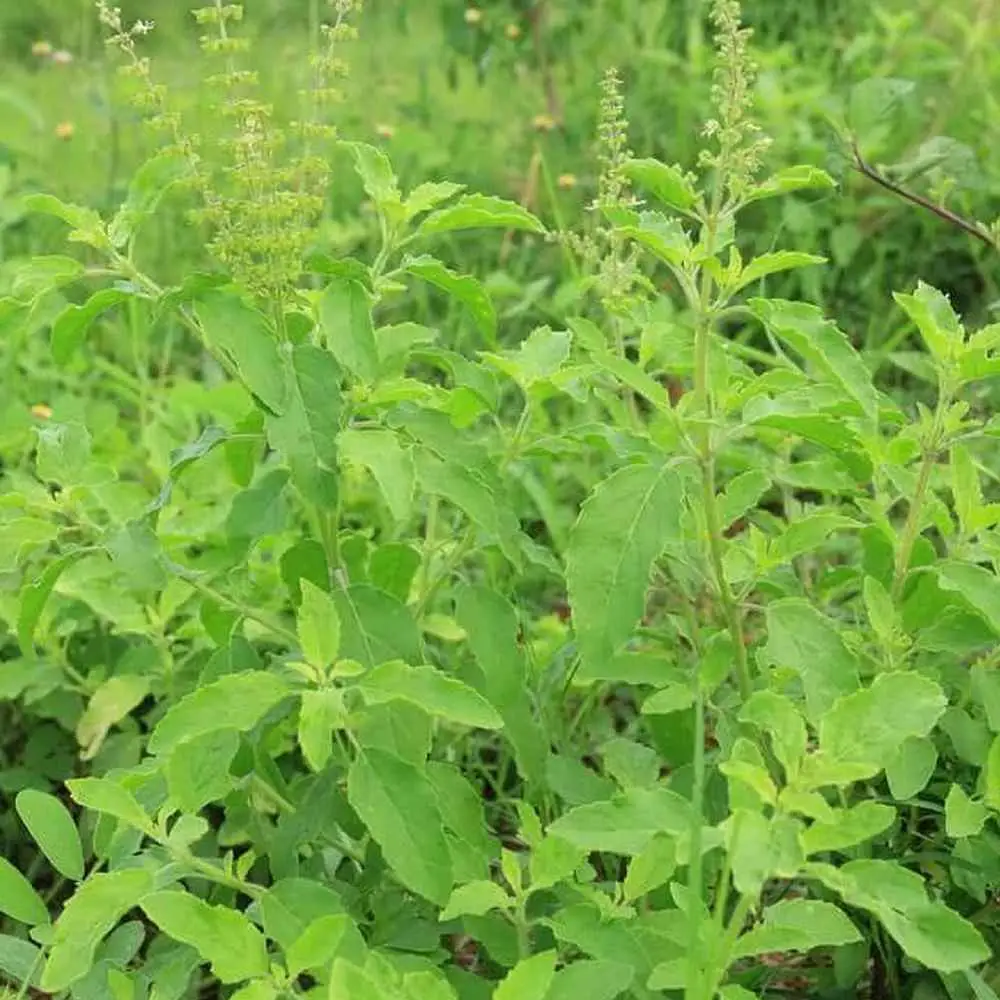
The Tulsi plant, commonly known as holy basil, holds a special place in Indian households because of its cultural, religious and traditional medicinal importance. Scientifically known as Ocimum tenuiflorum or Ocimum sanctum, Tulsi is an aromatic herb widely grown in courtyards, balconies and gardens. Beyond its spiritual significance, the plant has attracted scientific interest because it contains several naturally occurring compounds that may have health-related properties.
Tulsi is traditionally used in Indian systems of medicine, including Ayurveda, for a variety of purposes. However, its traditional uses and potential benefits should be distinguished from treatments supported by strong clinical evidence.
Health Benefits and Traditional Medicinal Uses of Tulsi
Tulsi leaves contain plant compounds such as eugenol and other phenolic substances that have been studied for their antioxidant and anti-inflammatory properties. Researchers are exploring how these compounds may affect the body’s response to oxidative stress and inflammation.
In traditional household remedies, Tulsi leaves are often used in herbal tea and warm drinks during seasonal changes. Some people consume Tulsi preparations to support general wellness and soothe minor throat discomfort. Early research also suggests that certain Tulsi preparations may influence stress responses and metabolic health, although larger, well-designed human studies are needed to establish their effectiveness.
Tulsi should not be considered a cure for infections, diabetes, high blood pressure or other medical conditions. People with persistent symptoms should seek appropriate medical advice rather than relying exclusively on herbal remedies.
Religious and Cultural Importance in Indian Households
Tulsi has deep religious significance in Hindu traditions and is commonly associated with purity, devotion and auspiciousness. Many families keep the plant near the entrance, in a courtyard or in a designated prayer area. Daily watering, lighting a lamp and offering prayers near Tulsi are customary practices in numerous households.
The plant is also associated with the worship of Lord Vishnu and is revered during several religious observances, including Tulsi Vivah. The ceremony symbolically celebrates the marriage of Tulsi with Lord Vishnu or his form, Shaligram, and is observed in many communities.
Although customs differ across regions and families, Tulsi continues to connect religious traditions with everyday household life. Its presence also encourages people to care for a living plant and maintain a greener home environment.
How to Grow and Care for a Tulsi Plant at Home
Tulsi is relatively easy to grow when provided with suitable conditions. It generally thrives in warm weather, well-draining soil and a location receiving several hours of sunlight each day.
Choose a pot with drainage holes to prevent waterlogging, which can damage the roots. Water the plant when the upper layer of soil begins to dry rather than following a rigid watering schedule. During hot weather, check the soil more frequently.
Regularly remove dry leaves and trim excessive growth to encourage a bushier plant. Protect Tulsi from frost, extreme cold and prolonged waterlogging. The plant can be propagated through seeds, while suitable varieties may also grow from cuttings.
Avoid using chemical pesticides on leaves intended for consumption unless the product is specifically approved for that use and all label instructions are followed.
Precautions Before Using Tulsi as a Remedy
Although Tulsi is commonly used in traditional practices, concentrated extracts and supplements may not be suitable for everyone. They can potentially interact with medicines, including those affecting blood sugar or blood clotting. People taking regular medication, those with chronic medical conditions, and pregnant or breastfeeding individuals should consult a qualified healthcare professional before using medicinal doses.
Conclusion: Tulsi is valued for its religious significance, aromatic leaves and traditional uses. Growing it at home can also encourage greener surroundings. However, its potential health benefits should be understood realistically, and it should complement—not replace—evidence-based medical care.

