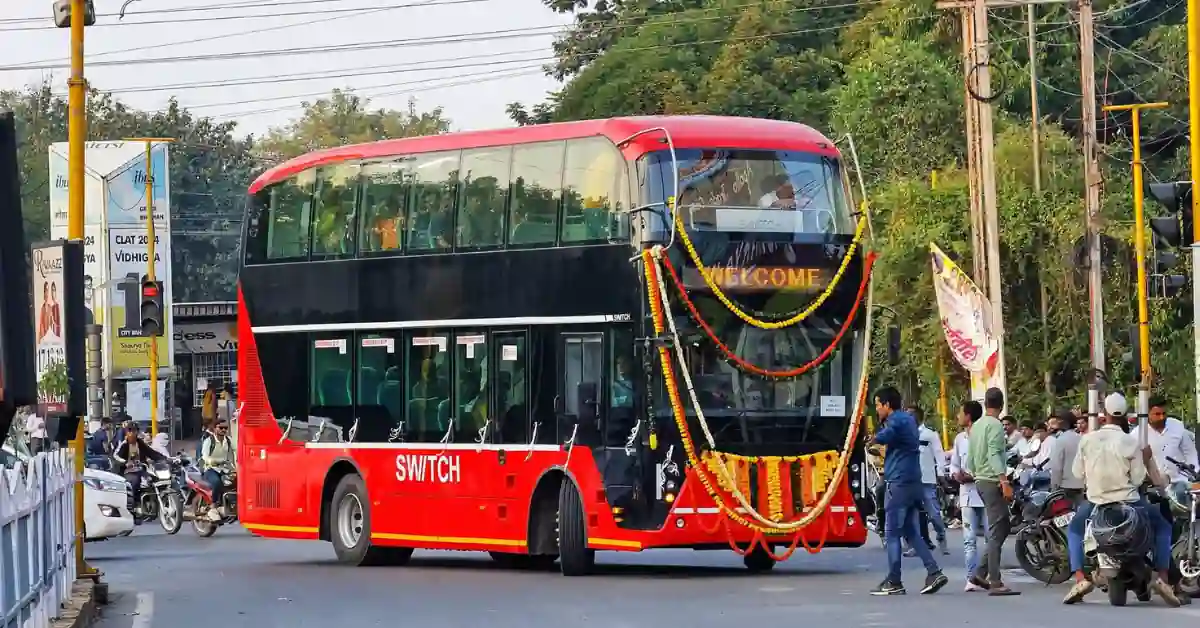
In a major boost to public transportation and sustainable urban mobility, Noida and Greater Noida are set to welcome double-decker electric buses from New Year 2026, ending years of dependence on private vehicles, autos, and cabs. The Uttar Pradesh Transport Corporation has approved the tender for 50 double-decker electric buses, marking a significant milestone in the region’s public transport revival.
According to Transport Minister Dayashankar Singh, the plan is far more ambitious. A total of 150 electric buses will be deployed across Noida, Greater Noida, and Yamuna Expressway Authority areas in a phased manner. While tenders for 50 buses have already been finalised, the remaining 100 e-buses will be approved in upcoming phases.
The transport department has already received a 66-seater double-decker electric bus from Switch Mobility. Once route mapping and operational logistics are finalised, services will begin. These buses will operate exclusively on electricity, reinforcing the state government’s push toward zero-emission public transport.
The decision comes in response to severe gaps in public transport across Gautam Buddh Nagar. Despite being a major urban and industrial hub, nearly 90 percent of the district lacks reliable bus connectivity. Metro services by DMRC and NMRC currently cover only about 10 percent of the area, forcing residents to rely on private transport.
With a population of around 16.48 lakh, including 6.74 lakh residents in rural areas across 304 villages, the district has long struggled with mobility challenges. Daily commuters—farm workers, labourers, office employees, and students—have faced high travel costs and limited options.
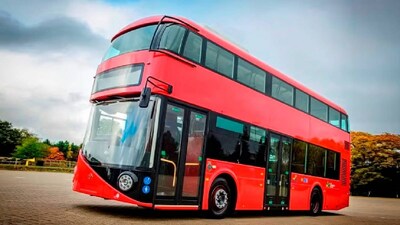
The Transport Minister also confirmed that diesel buses will no longer be allowed in the district. Ten diesel buses already allocated to the depot have been halted due to lack of permits and are likely to be returned. Going forward, only CNG and electric buses will operate in Noida.
The upcoming double-decker e-bus service promises comfortable travel, reduced congestion, and cleaner air. By increasing passenger capacity without adding more vehicles to the road, the initiative is expected to significantly ease traffic pressure while contributing to pollution control.
This move positions Noida as a forward-looking city embracing green mobility, while finally addressing a long-standing public demand for accessible and affordable transportation.