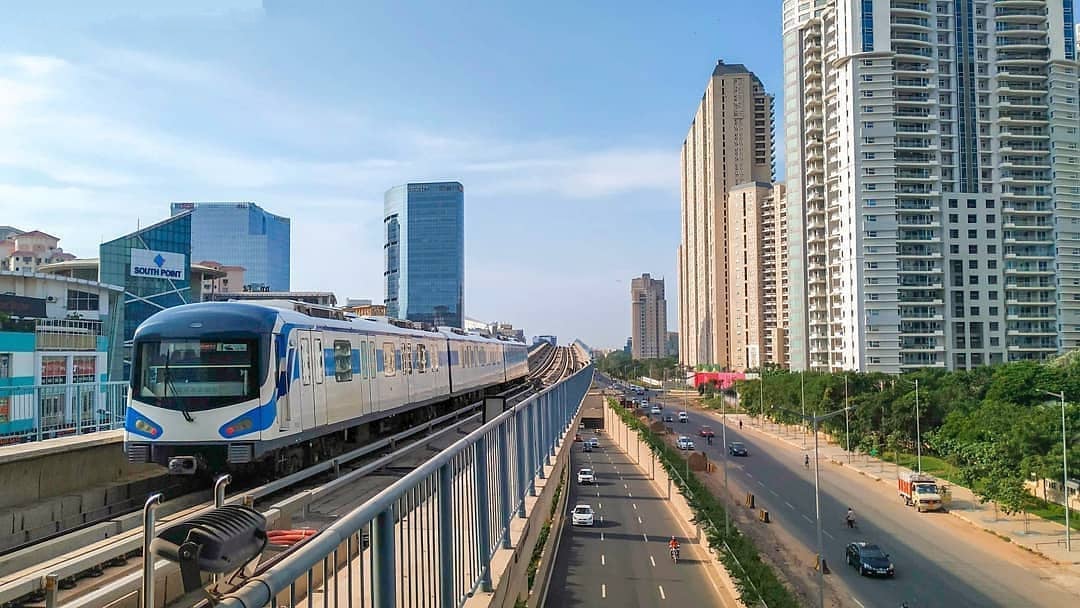
Delhi is set to take another major leap towards cleaner, faster and congestion-free transport as the Delhi Metro Rail Corporation (DMRC) moves ahead with a significant underground expansion of the Magenta Line. The proposed corridor, stretching 9.91 kilometres from Ramakrishna Ashram Marg to Indraprastha, will feature nine brand-new underground stations, directly connecting some of the capital’s most important administrative, cultural and tourist zones.
Once completed, this corridor is expected to drastically reduce traffic congestion, cut down pollution levels, and provide seamless connectivity across the heart of the city.
A Strategic Corridor Through the Heart of Delhi
According to DMRC officials, the new underground stretch will pass through some of Delhi’s most prominent landmarks and high-traffic areas. The proposed stations include:
◆Ramakrishna Ashram Marg
◆Shivaji Stadium
◆Central Secretariat
◆Kartavya Bhavan
◆India Gate
◆War Memorial–High Court
◆Baroda House
◆Bharat Mandapam
◆Indraprastha
These areas currently witness heavy traffic movement due to the presence of government offices, courts, cultural venues and tourist attractions. Commuters largely depend on buses, taxis, auto-rickshaws and private vehicles, often leading to long delays and rising air pollution.
The new metro corridor is designed to offer a faster, more reliable alternative, making daily travel smoother for office-goers, tourists and residents alike.
No Traffic Jams, No Pollution
Officials believe this extension will play a crucial role in tackling two of Delhi’s biggest urban challenges — traffic congestion and air pollution. By shifting a large volume of commuters from road to rail, the corridor will significantly reduce the number of private vehicles entering the central zones.
“This project is not just about adding stations. It is about redesigning mobility in the city’s core,” a senior DMRC official said. “It will make travel faster, cleaner and more predictable.”
The fully underground alignment has been planned to avoid disturbing heritage structures, government buildings and dense urban settlements, ensuring minimal surface disruption.
Boost to Tourism and Governance Zones
The corridor will directly connect iconic destinations such as India Gate, Central Secretariat, Bharat Mandapam and the National War Memorial, providing easy access to tourists, officials and delegates attending major national and international events.
Experts say the project will strengthen Delhi’s image as a modern, well-connected global capital with world-class public transport infrastructure.
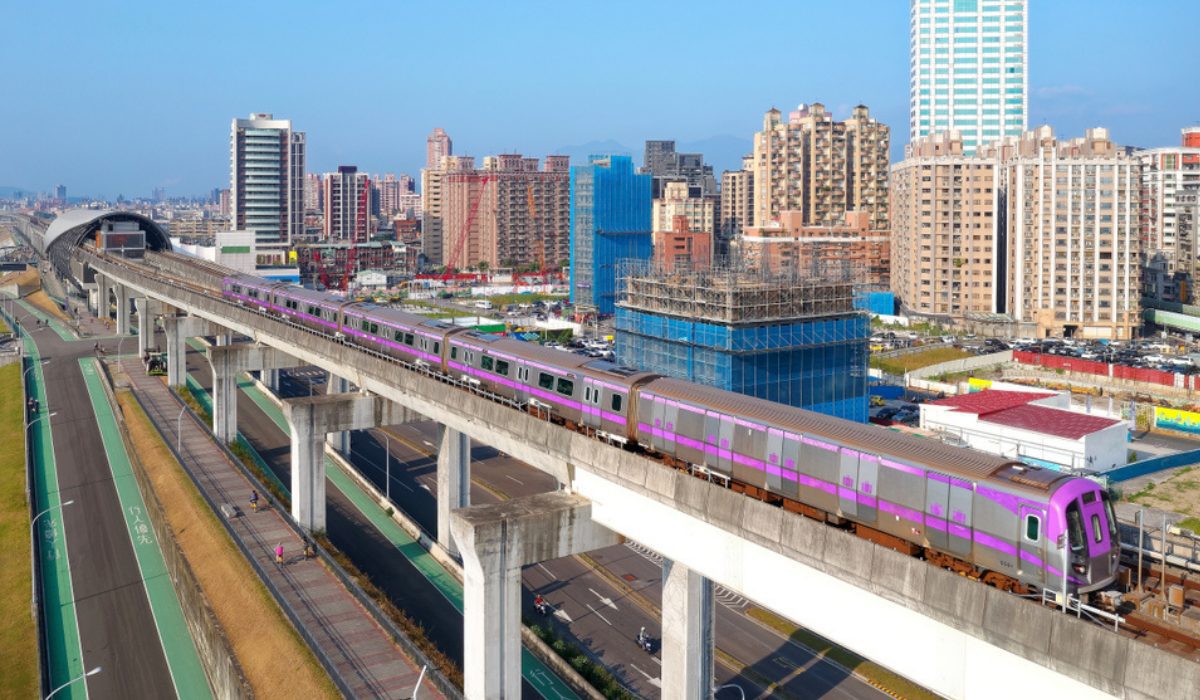
A Key Piece of Delhi’s Metro Expansion Vision
The Magenta Line extension forms an important part of Delhi Metro’s Phase-IV expansion, aimed at improving connectivity in central and peripheral zones while promoting sustainable urban transport.
Once operational, this stretch will serve as a critical east-west connector, reducing travel time across central Delhi and improving inter-line integration across the metro network.
Looking Ahead
With construction progressing steadily, the new corridor promises to transform commuting patterns in central Delhi. For millions of passengers, it means fewer traffic snarls, cleaner air, and faster journeys — a vital step towards building a more livable and sustainable capital.