

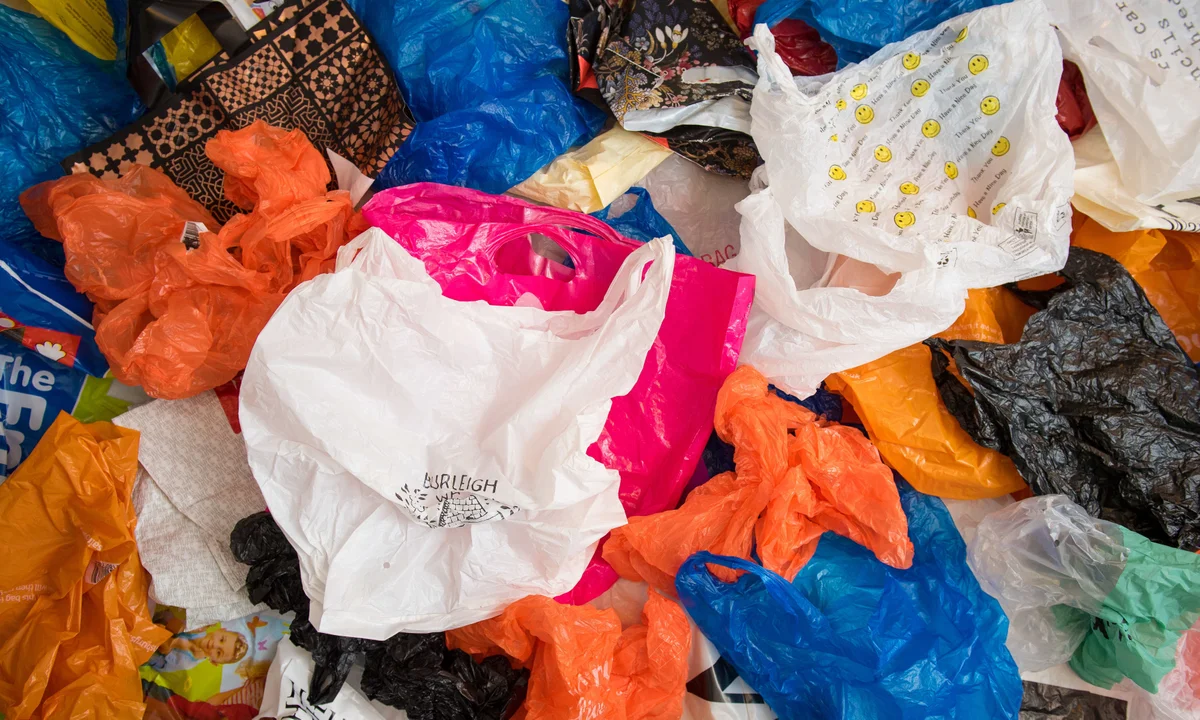
Polythene has become a common part of everyday life. From grocery shopping and food packaging to household storage and commercial transportation, polythene bags and plastic packaging are widely used because they are lightweight, inexpensive, flexible and convenient. However, their excessive use and improper disposal have created a serious environmental challenge across the world.
Although polythene products are designed to make daily activities easier, most conventional polythene bags are made from plastic materials that do not biodegrade easily. Instead, they can remain in the environment for decades or even longer, gradually breaking into smaller pieces known as microplastics. These materials can pollute soil, rivers, oceans and other natural habitats.
With growing plastic consumption, polythene pollution has become an important concern for governments, environmental organisations and communities. Understanding its harmful effects and adopting sustainable alternatives are essential steps towards protecting the environment.
What Is Polythene and Why Is It Used So Widely?
Polythene, also known as polyethylene, is a type of plastic manufactured from ethylene. It is one of the most commonly used plastics worldwide because of its durability, flexibility, moisture resistance and relatively low production cost.
Polythene is used to manufacture shopping bags, packaging films, food containers, bottles, agricultural sheets, household products and industrial materials. Depending on its density and manufacturing process, it can be classified into different types, including low-density polyethylene (LDPE) and high-density polyethylene (HDPE).
Its lightweight nature makes transportation convenient, while its ability to protect products from moisture and contamination makes it useful in food and commercial packaging. However, the same durability that makes polythene useful also makes it difficult to manage after disposal.
Seven Harmful Effects of Polythene on the Environment
- Soil Pollution: Improperly discarded polythene bags can accumulate in agricultural fields, gardens and open spaces. Over time, plastic waste can interfere with soil quality and affect the movement of water and air through the soil.
- Water Pollution: Polythene waste frequently enters drains, rivers, lakes and oceans. Plastic materials can block waterways and contribute to water pollution, affecting aquatic ecosystems.
- Threat to Marine Animals: Marine animals such as turtles, fish and seabirds may mistake floating plastic for food. Swallowing plastic can cause digestive blockages, injuries and other serious health problems.
- Harm to Stray Animals: Cows, dogs and other animals may accidentally consume polythene bags containing leftover food. Ingested plastic can accumulate in their digestive systems and may cause severe complications.
- Drainage Blockages and Urban Flooding: Discarded polythene bags often collect in roadside drains and sewage systems. Blocked drainage channels can prevent water from flowing properly and increase the risk of waterlogging and urban flooding during heavy rainfall.
- Microplastic Pollution: Sunlight, heat and physical wear can gradually break larger plastic products into tiny particles called microplastics. These particles have been detected in water, soil, food chains and various environmental samples.
- Harmful Emissions from Burning: Some people burn plastic waste to reduce garbage accumulation. However, burning polythene and other plastics in open spaces can release harmful pollutants and contribute to air pollution, creating risks for human health and the environment.
How Polythene Pollution Can Affect Human Health
Polythene pollution is not limited to environmental damage. Human exposure to plastic-related pollution is also a growing area of scientific research.
Microplastics have been detected in drinking water, food and air. People may come into contact with these particles through ingestion or inhalation. Scientists are studying their possible effects on the digestive system, respiratory health, inflammation and other biological processes. However, the long-term health consequences of everyday microplastic exposure are still being investigated.
Certain chemicals used in plastic manufacturing or present in some plastic products may also raise health concerns depending on the substance, exposure level and conditions of use.
Burning plastic waste is another major concern because the smoke may contain harmful gases and fine particles. Regular exposure to polluted air can affect respiratory health and worsen existing breathing problems.
How Can We Reduce Polythene Use?
Reducing polythene pollution requires responsible behaviour from individuals, businesses, manufacturers and governments. Small changes in everyday habits can collectively make a significant difference.
- Carry reusable bags: Use cloth, jute or other durable reusable bags instead of disposable plastic shopping bags.
- Avoid unnecessary packaging: Choose products with minimal packaging whenever practical.
- Reuse plastic responsibly: Reuse suitable plastic products where safe and appropriate rather than immediately discarding them.
- Segregate waste: Separate plastic waste from wet and other household waste to improve collection and recycling.
- Never burn plastic: Dispose of plastic waste through authorised waste management systems.
- Spread awareness: Encourage family members, schools, offices and local communities to reduce single-use plastic consumption.
- Support sustainable alternatives: Choose reusable containers, refillable products and environmentally responsible packaging where available.
Governments and local authorities also play an important role by strengthening waste collection, improving recycling facilities, enforcing plastic waste regulations and encouraging businesses to adopt sustainable packaging solutions.
Conclusion
Polythene has made packaging, shopping and transportation more convenient, but its excessive use has created serious environmental challenges. From soil and water pollution to threats to wildlife and growing concerns about microplastics, the consequences of plastic waste can affect ecosystems and human well-being.
Completely eliminating every form of plastic may not be practical because many plastic products serve important purposes. However, reducing unnecessary polythene consumption, reusing suitable products and ensuring proper waste disposal can help limit pollution. A cleaner and healthier environment begins with responsible choices made by individuals and communities every day.

