

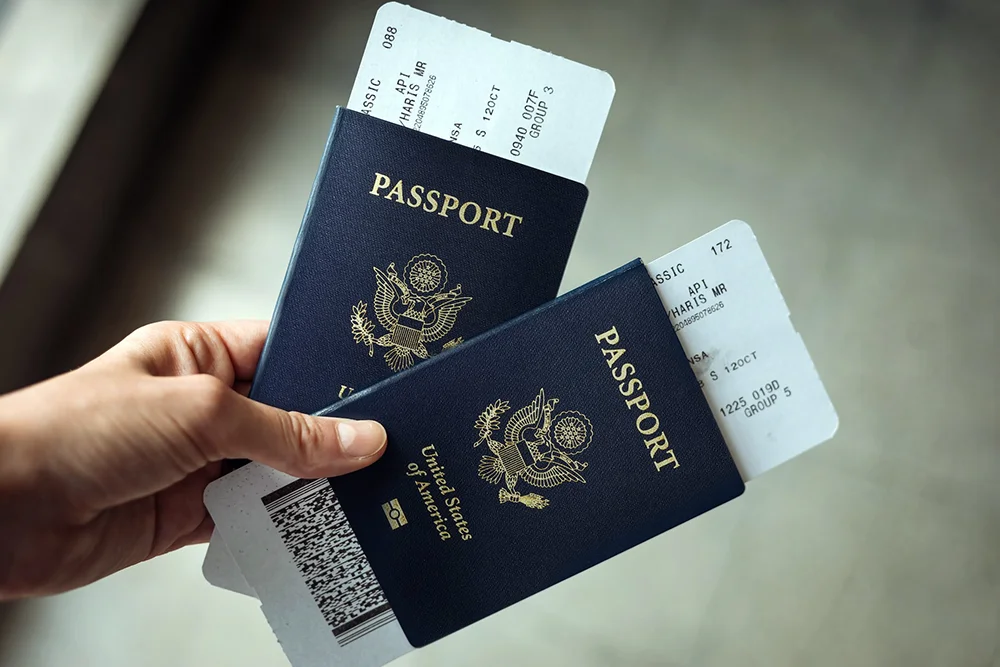
Indian citizens planning to travel to Malaysia will have to obtain a valid visa before departure from January 1, 2027, as the Malaysian government prepares to discontinue its visa-free entry facility for Indian passport holders. The decision marks a significant change in travel requirements for Indian tourists, who have so far been allowed to visit the Southeast Asian country for up to 30 days without obtaining a visa.
According to a notification issued by Malaysia’s Immigration Department on November 17, the visa exemption for Indian nationals will end on December 31, 2026. From January 1, 2027, travellers will be required to secure the necessary visa before arriving in Malaysia.
To facilitate the transition, Indian citizens planning to visit the country next year will be able to submit their visa applications through Malaysia’s online MyVISA portal from December 1, 2026. The new requirements mean that travellers will need to factor visa approval into their travel plans and complete the application process well before their scheduled departure.
Malaysia to Introduce Visa Requirement for Indian Travellers From January 2027
Malaysia had introduced visa-free entry for Indian nationals as a temporary measure to encourage international tourism and attract more visitors following the disruption caused by the COVID-19 pandemic. Under this arrangement, Indian passport holders could enter Malaysia without a visa for stays of up to 30 days.
The facility was subsequently extended and remained available through 2026. However, the Malaysian government has decided not to continue the exemption beyond its existing validity period.
The Immigration Department’s notification confirms that Indian nationals will need an appropriate visa for travel beginning January 1, 2027. This requirement will apply to Indian passport holders who previously benefited from the visa-free arrangement.
The MyVISA online portal will begin accepting applications from December 1, 2026. Travellers intending to visit Malaysia during the early months of 2027 should therefore plan ahead and check the applicable visa requirements before making travel arrangements.
The change is particularly relevant for tourists planning holidays, family visits and other short-term trips, as they will no longer be able to rely on the previous 30-day visa exemption.
Incomplete Visa Applications May Automatically Expire Within Seven Working Days
Alongside the upcoming visa requirement, Malaysia has introduced stricter provisions for handling pending visa applications.
Under the revised procedure, applications that remain in either the ‘New Application’ or ‘Pending Payment’ status for more than seven working days will automatically expire. The rule became effective on October 1, 2026, and also applies to applications submitted before September 1, 2026.
Applicants whose forms expire because they fail to complete the required steps within the prescribed period will have to submit a fresh application using the new visa application form.
This makes it important for travellers to monitor their application status after submission. Merely filling out the online form may not be sufficient if the payment remains pending or other required steps are incomplete.
Applicants should ensure that all details are correctly entered and that the payment process is completed within the specified timeframe. They should also regularly check the MyVISA portal for updates to avoid unexpected cancellation.
The seven-working-day provision is particularly important for travellers who begin the application process well in advance but delay completing the payment or other formalities.
FCRF Launches Certified Chief Risk Officer (CRO) Program for India’s Risk Leaders
Malaysia Will Not Refund Visa Processing Fees, Even If Applications Are Rejected
The revised visa procedure also includes strict conditions regarding the refund of application fees.
According to the Immigration Department, visa processing fees will be non-refundable regardless of whether an application is approved or rejected. Applicants will also not receive a refund if they decide to cancel their travel plans after submitting the application.
The same condition will apply if the Malaysian government subsequently changes its visa policy or entry requirements. In other words, submitting a visa application does not guarantee approval, and the processing fee will not be returned if the application is unsuccessful.
The department has also clarified that Malaysia’s entry conditions may be changed at any time in accordance with government instructions. Travellers are therefore advised to check the latest immigration guidelines before purchasing flight tickets or confirming hotel reservations.
Given the non-refundable nature of the processing fee, applicants should carefully review the eligibility criteria, documentation requirements and application details before making payment.
Immigration Concerns and Wider Changes Behind Malaysia’s Visa Policy
The decision to discontinue visa-free entry for Indian nationals comes amid broader changes to Malaysia’s immigration framework and concerns over the alleged misuse of entry exemptions.
In September 2026, the Indian High Commission in Kuala Lumpur had cautioned Indian citizens against using the 30-day visa-free tourist facility to search for employment or remain in Malaysia beyond the permitted period.
The High Commission clarified that Indian nationals seeking employment in Malaysia must obtain the appropriate legal authorisation. This includes a valid employment permit or a Visa With Reference (VDR), depending on the applicable immigration requirements.
A tourist entry exemption does not provide permission to work in Malaysia. Travellers are expected to follow the conditions attached to their permitted stay and comply with the country’s immigration laws.
Malaysia has also made changes to its Multiple Entry Visa (MEV) arrangements. From September 1, 2026, the facility was restricted to citizens of 31 eligible countries. It is now primarily available for specific purposes, including business activities, medical treatment, marriage tourism and fly-and-cruise travel.
In another development, Malaysian immigration authorities have advised foreign visitors to obtain travel medical insurance covering their entire stay in the country.
In a notice issued on November 16, the Immigration Department stated that non-residents would have to bear the costs of medical treatment and other healthcare services while in Malaysia. The department also recommended MyTripPass, an inbound travel platform offering medical insurance and emergency assistance, as a supporting option for travellers.
What Indian Travellers Should Do Before Visiting Malaysia
With the new visa requirement coming into effect on January 1, 2027, Indian citizens will need to complete the necessary formalities before travelling to Malaysia.
Applications will become available through the MyVISA portal from December 1, 2026. Travellers should apply sufficiently early, provide accurate information and ensure that all required payments are completed within the prescribed deadline.
They should also monitor their application status carefully, particularly because applications remaining in ‘New Application’ or ‘Pending Payment’ status beyond seven working days may automatically expire.
Another important consideration is the non-refundable visa processing fee. Travellers should verify the latest requirements before submitting an application, as the fee will not be returned even if the application is rejected or the trip is cancelled.
The end of visa-free entry will make advance visa planning an essential part of travel arrangements for Indian citizens visiting Malaysia from 2027. Checking official immigration updates before booking flights and accommodation will help travellers avoid last-minute complications.

