

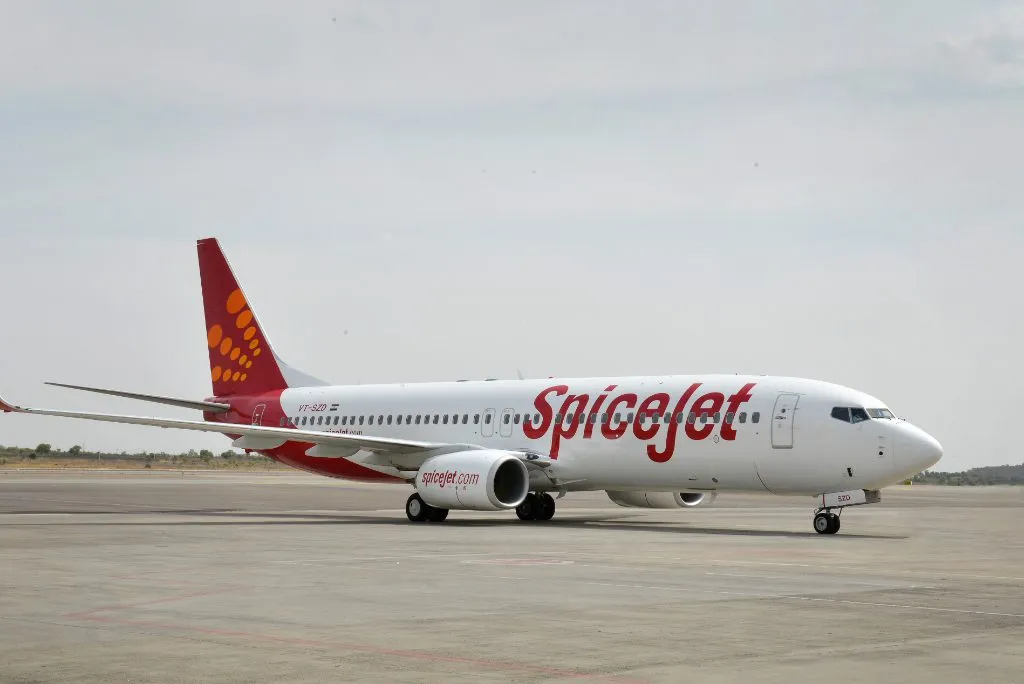
India’s struggling airline SpiceJet has come under fresh regulatory scrutiny as the Directorate General of Civil Aviation (DGCA) issued a show-cause notice over its deteriorating operational performance, frequent flight delays and cancellations. The aviation regulator has sought a detailed explanation from the airline regarding multiple operational and regulatory concerns, giving it seven days from the date of issuance to respond.
The notice, issued on November 17, highlights serious concerns about SpiceJet’s inability to maintain its approved flight schedule, declining on-time performance and the inconvenience caused to passengers. The regulator has also questioned the airline over the large number of grounded aircraft, uncertainty surrounding mandatory insurance renewals and delays in payments to service providers.
The latest action comes at a challenging time for SpiceJet, which is already dealing with financial pressure, reduced operational capacity and a declining presence in India’s domestic aviation market. The airline now faces the additional responsibility of addressing regulatory concerns while restoring its flight operations and rebuilding passenger confidence.
DGCA Flags Frequent Flight Disruptions and Declining Operational Performance
In its show-cause notice, the DGCA expressed concern over the continued deterioration in SpiceJet’s operational performance. According to the regulator, the airline has been experiencing a decline in on-time performance (OTP), alongside an increase in flight delays and cancellations.
The regulator also pointed out that SpiceJet has failed to operate according to its approved flight schedule, creating difficulties for passengers who depend on the airline for planned travel.
Repeated operational disruptions have reportedly affected passenger convenience, with concerns also raised over the airline’s ability to provide adequate facilities and assistance to affected travellers.
The DGCA has sought an explanation from the airline regarding these shortcomings and other alleged regulatory violations. The seven-day deadline is intended to give SpiceJet an opportunity to explain its position and clarify the steps being taken to resolve the issues.
The notice puts additional pressure on the airline to demonstrate that it has a practical plan to stabilise its operations and prevent further disruptions.
Most of SpiceJet’s Aircraft Grounded, Insurance and Payment Issues Raise Concerns
One of the most significant concerns highlighted by the DGCA relates to the condition of SpiceJet’s aircraft fleet. The regulator noted that a substantial portion of the airline’s fleet remains grounded and unavailable for commercial operations.
Despite the prolonged grounding of several aircraft, SpiceJet has reportedly not presented a credible and reliable plan explaining how these planes will be brought back into service.
The situation has affected the airline’s available operating capacity, making it more difficult to maintain scheduled flights and meet passenger demand.
The DGCA has also raised questions about uncertainty surrounding the renewal of mandatory aircraft insurance coverage. Insurance is an essential requirement for commercial aviation operations, and any disruption in coverage can create additional operational and regulatory complications.
Another major concern involves delayed payments to service providers. Foreign aviation regulators have reportedly expressed concerns about the impact of payment delays on operational arrangements.
These issues indicate that SpiceJet’s difficulties extend beyond flight scheduling and aircraft availability. The airline must also address its financial obligations, maintain relationships with essential service providers and ensure compliance with aviation safety and operational requirements.
Pending Penalties and Route Distribution Guidelines Under Regulatory Scrutiny
The DGCA has also questioned SpiceJet over its failure to pay previously imposed penalties despite repeated reminders from the regulator. Although the exact amount of the outstanding penalty was not immediately available, the issue has become another point of concern in the latest notice.
Additionally, the regulator has raised questions about the airline’s compliance with eligibility requirements for operating scheduled international flights.
SpiceJet has also been accused of repeatedly failing to comply with the Route Dispersal Guidelines (RDG), despite earlier regulatory action and a penalty imposed in May.
Under the RDG framework, airlines are required to operate flights on specified categories of routes to ensure that air connectivity is not restricted to major metropolitan cities and commercially profitable destinations.
The guidelines are designed to improve connectivity across different regions of India, including smaller cities and less commercially attractive destinations.
Failure to comply with these requirements can affect an airline’s regulatory standing and its ability to operate certain scheduled services. The DGCA has therefore sought clarification from SpiceJet regarding its repeated alleged violations.
Market Share Falls to 0.6% as SpiceJet Plans to Raise ₹5,500 Crore
SpiceJet’s operational difficulties are also reflected in its declining market position. According to the figures mentioned in the report, the airline’s domestic market share dropped to 0.6% in September from 1.2% in August, indicating a significant decline in its presence in the aviation sector.
The impact of operational disruptions has also drawn attention from airport authorities. Delhi International Airport Limited, which operates Delhi airport, issued a second consecutive warning on social media platform X on Friday, stating that some SpiceJet flights could be affected due to the airline’s operational challenges.
Passengers have consequently been advised to check their flight status before travelling to the airport to avoid unnecessary inconvenience.
Meanwhile, SpiceJet’s board of directors approved a proposal on November 18 to raise up to ₹5,500 crore to strengthen the company’s financial position.
The proposed fundraising is expected to support the airline’s efforts to address financial challenges, bring grounded aircraft back into operation, clear outstanding payments and improve operational reliability.
However, the company continues to face pressure in the stock market. During Friday’s trading session, SpiceJet shares fell by approximately 5%, reaching ₹9.74 on the BSE in afternoon trade. The exchange also sought clarification from the airline regarding reports about the DGCA’s show-cause notice.
As of the latest available information in the report, SpiceJet had not issued an immediate response to the regulatory notice.
The airline’s next steps will be crucial in determining its operational recovery. Its response within the seven-day deadline, a credible aircraft restoration strategy, timely payments to service providers and improved regulatory compliance will play an important role in determining how effectively it can overcome the current crisis.

