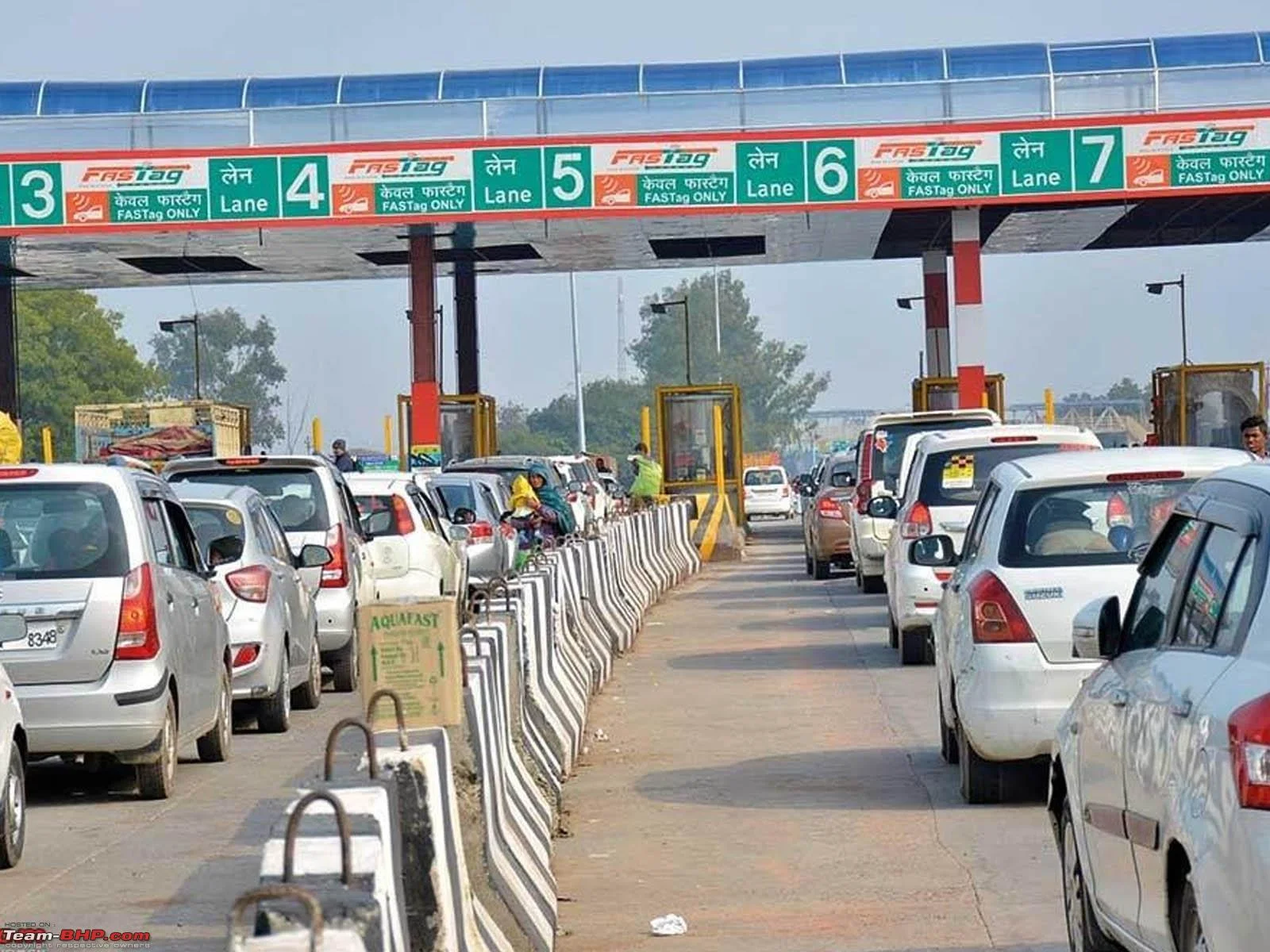
The central government is preparing stricter measures against motorists who deliberately tamper with vehicle registration plates to avoid paying toll charges on national highways. Under a proposed amendment to the National Highways Fee Rules, vehicle owners caught hiding, bending or altering their number plates could face penalties ranging from four to eight times the applicable toll fee.
The Ministry of Road Transport and Highways has drafted the proposed changes as India expands its barrier-less toll collection system. The new penalty is expected to operate separately from fines imposed under the Motor Vehicles Act, meaning offenders could face both a traffic challan and additional financial charges for toll evasion.
The proposed measures aim to prevent revenue losses, discourage deliberate violations and improve the effectiveness of technology-driven toll collection across the country.
Number Plate Tampering Could Attract Heavy Financial Penalties
Under the existing provisions of the Motor Vehicles Act, motorists found using altered or non-compliant registration plates can face a fine of Rs 5,000 for a first offence and up to Rs 10,000 for subsequent violations. Such penalties are imposed through the respective state transport departments.
However, the proposed amendment would introduce an additional financial penalty specifically linked to toll evasion. Agencies such as the National Highways Authority of India (NHAI) could be authorised to recover four to eight times the regular toll fee from vehicles involved in deliberate number plate manipulation.
This means motorists may have to pay the applicable traffic challan along with the additional toll-related penalty. The move is intended to make deliberate toll avoidance financially costly and strengthen compliance with highway fee regulations.
FCRF Launches Certified Chief Risk Officer (CRO) Program for India’s Risk Leaders
AI-Powered Cameras to Identify Tampered Registration Plates
To improve enforcement, authorities are planning to strengthen surveillance at toll collection points through artificial intelligence and high-resolution cameras.
According to officials, a technology-based detection system is planned for implementation within the next two months. It will analyse vehicle registration plates and identify suspicious cases involving covered digits, folded plates or other forms of deliberate alteration.
AI-enabled image analysis is expected to make it easier for toll authorities to identify vehicles that attempt to escape automated identification systems. The technology could also speed up the process of detecting violations and initiating recovery action.
Barrier-Less Tolling Faces Challenges Due to Evasion
India is gradually moving towards barrier-less toll collection to eliminate long queues at toll plazas, reduce travel time and allow vehicles to pass without stopping.
Under this system, cameras and automated identification equipment read registration numbers to facilitate toll collection. However, NHAI reportedly noticed instances of number plate manipulation at certain locations, including the Mundka toll plaza in Delhi.
Some motorists allegedly bend their registration plates or cover specific digits to prevent cameras from accurately identifying their vehicles. Such practices disrupt automated toll collection and create difficulties for authorities attempting to recover the applicable fees.
HSRP Compliance Seen as Essential for Digital Tolling
Available estimates suggest that vehicles with manipulated number plates account for approximately 2–4 per cent of total traffic. Although the proportion is relatively small, authorities believe such violations could affect the efficiency and financial sustainability of barrier-less tolling.
The government is also emphasising the importance of High-Security Registration Plates (HSRPs). These plates contain specialised security features and provide a more reliable method of identifying vehicles through automated camera systems.
Ensuring that vehicles carry clear and standardised registration plates will be important for the successful implementation of digital toll collection.
The proposed amendment is part of a broader effort to strengthen highway monitoring and prevent revenue leakage. However, the four-to-eight-times penalty remains at the proposal stage. Its final provisions and implementation timeline will become clear once the government issues the relevant notification.