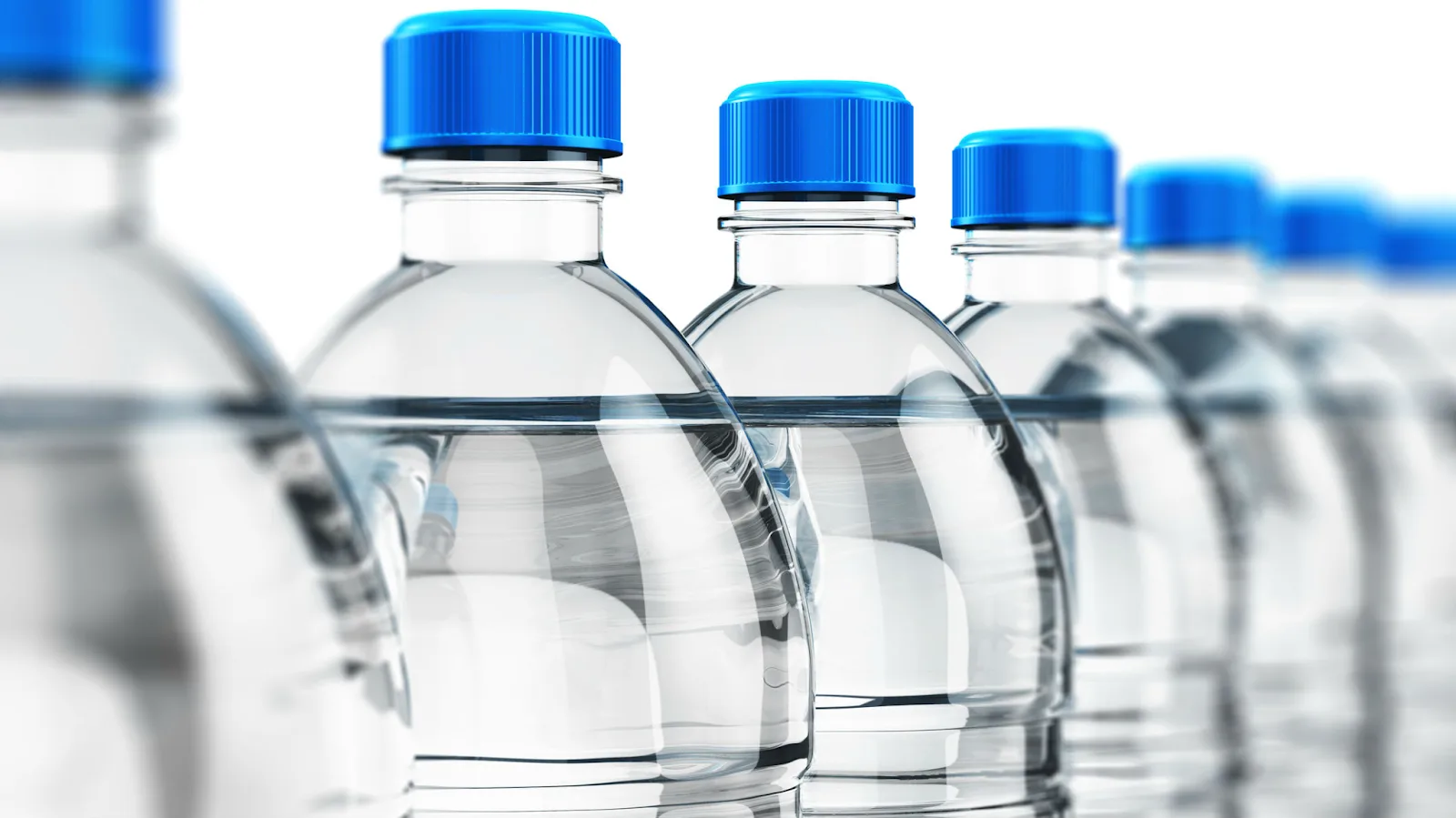
The central government is preparing to launch a nationwide inspection of bottled drinking water brands following a food safety controversy involving Bisleri’s Goa manufacturing facility. The Food Safety and Standards Authority of India (FSSAI) is stepping up its enforcement efforts to examine whether packaged drinking water manufacturers are complying with prescribed quality and safety standards. The proposed exercise is expected to cover samples from different brands, bringing their manufacturing processes and quality-control systems under greater regulatory scrutiny.
The development follows an initial laboratory report that reportedly detected bromate above the permissible limit in a sample collected from Bisleri’s Goa plant. The company subsequently challenged the findings and relied on further laboratory assessments to support its position. The differing test results have brought attention to the importance of independent testing, chemical contamination and regulatory oversight in the packaged drinking water industry.
Bromate Controversy Began With a Sample From Bisleri’s Goa Plant
According to Bisleri, the controversy relates to a production batch manufactured at its Goa facility in September 2025. On September 30, 2025, FSSAI collected six samples from the manufacturing unit. While five reportedly complied with the prescribed food safety standards, the sixth sample recorded bromate levels of 12 micrograms per litre, exceeding the permitted maximum of 10 micrograms per litre.
Following the initial findings, Bisleri challenged the result on November 22, 2025, and the sample was referred for further examination. The subsequent laboratory assessment reportedly found bromate levels within the permissible limit but also mentioned the presence of polycyclic aromatic hydrocarbons (PAHs).
The differing findings raised questions about the sample’s overall safety and prompted the company to seek an additional independent assessment.
Independent Laboratory Testing Supports Bisleri’s Position
Bisleri subsequently arranged testing of the sample through an independent laboratory recognised by FSSAI. The company claims that this assessment also found bromate concentrations within the prescribed limit.
On February 2, 2026, Bisleri submitted the independent laboratory findings to FSSAI’s Western Regional Office through a formal communication. According to the company, it did not receive any further communication from the regulator after submitting the documents. It also stated that it had not received another notice through email or physical correspondence and could not find any related notice on FSSAI’s website.
The company maintains that consumer safety remains its highest priority and that it is willing to cooperate fully with the regulatory authorities. Bisleri also says its manufacturing process involves 10 stages of purification and more than 90 quality checks to ensure product safety.
FCRF Launches Certified Chief Risk Officer (CRO) Program for India’s Risk Leaders
Regulatory Action and Concerns Over Chemical Contamination
The controversy initially escalated after the regulator reportedly approved legal action based on the first laboratory findings. Subsequent proceedings involving the referral laboratory’s observations on PAHs also brought the safety classification of the sample and the reported recall directions into focus.
Bromate and PAHs have therefore become central to the dispute, with different laboratory findings contributing to the disagreement. While the company relies on subsequent testing to contest the initial bromate result, questions surrounding the other reported chemical findings remain relevant to the regulatory assessment.
The episode highlights the importance of consistent laboratory procedures and transparent communication between food businesses and regulatory authorities.
FSSAI Expands Enforcement Against Food Businesses
The regulatory action is not limited to the bottled water sector. FSSAI has also approved enforcement measures against several other food businesses, including Vasant Masala Private Limited, Tit-Bit Foods India Private Limited, Mimansa Industries and Asha Confectionery.
Additionally, the licences of Urmi Lifesciences LLP and Gaur Ayurvedic Store have reportedly been suspended for violations of food safety requirements. Asha Confectionery was also directed to recall its pre-packaged chocolate-filled cookies after the products were reportedly found unsafe during testing.
The proposed nationwide inspection of bottled water brands is expected to strengthen monitoring of packaged drinking water quality across the country. The findings could help authorities identify compliance gaps, examine manufacturing practices and determine whether further regulatory action is necessary. For consumers, the exercise brings renewed attention to the safety and quality of drinking water sold in sealed bottles.