

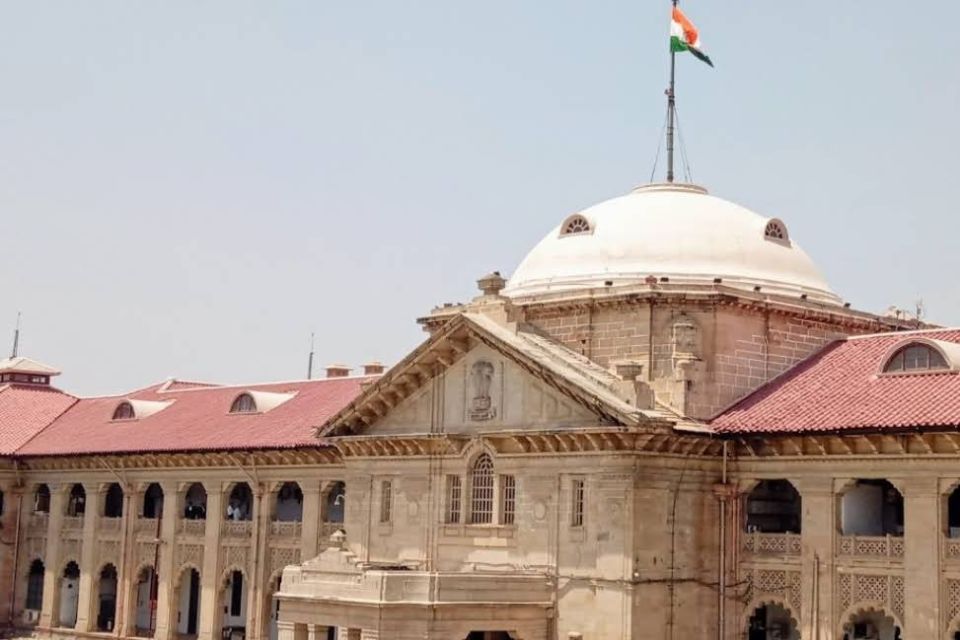
The Allahabad High Court has tightened the drafting rules for petitions and other judicial documents to ensure uniformity and clarity across all submissions. The court has issued crucial directions establishing uniform standards for font type, font size, and text spacing for legal filings. The move comes in response to concerns regarding formatting inconsistencies that hinder the clarity and presentation of records submitted before the bench.
Scrutiny by Stamp Reporting Section from November 12
The High Court has instructed its registry to mandate that the Stamp Reporting Section examine all future filings strictly according to the newly framed norms. This compliance review is scheduled to come into effect from November 12. The bench made it clear that the newly prescribed standards will apply equally to physical filings, ensuring that traditional paper submissions follow the same uniform criteria as other legal documents.
Bench Highlights Disruption to Readability
A division bench comprising Justice Ajit Kumar and Justice Garima Prasad issued these directives during the hearing of a petition filed by Shiv Kinkar Singh. The court observed that the indiscriminate use of varied fonts, arbitrary text sizes, and excessive bold or italic styling undermines the readability of court records. The bench pointed out that such unstructured presentations interfere with the systematic reading of pleadings and other vital case materials.
Mandatory Times New Roman Size 14 with Double Spacing
Under the updated guidelines, the English text of all petitions, affidavits, counter-affidavits, rejoinders, and associated pleadings must be drafted strictly in Times New Roman, font size 14. Furthermore, documents must carry double line spacing to maintain neatness and legibility. Through these measures, the High Court seeks to eliminate typographical clutter, streamline filing scrutiny, and enforce professional consistency in every document placed before the judges.

