

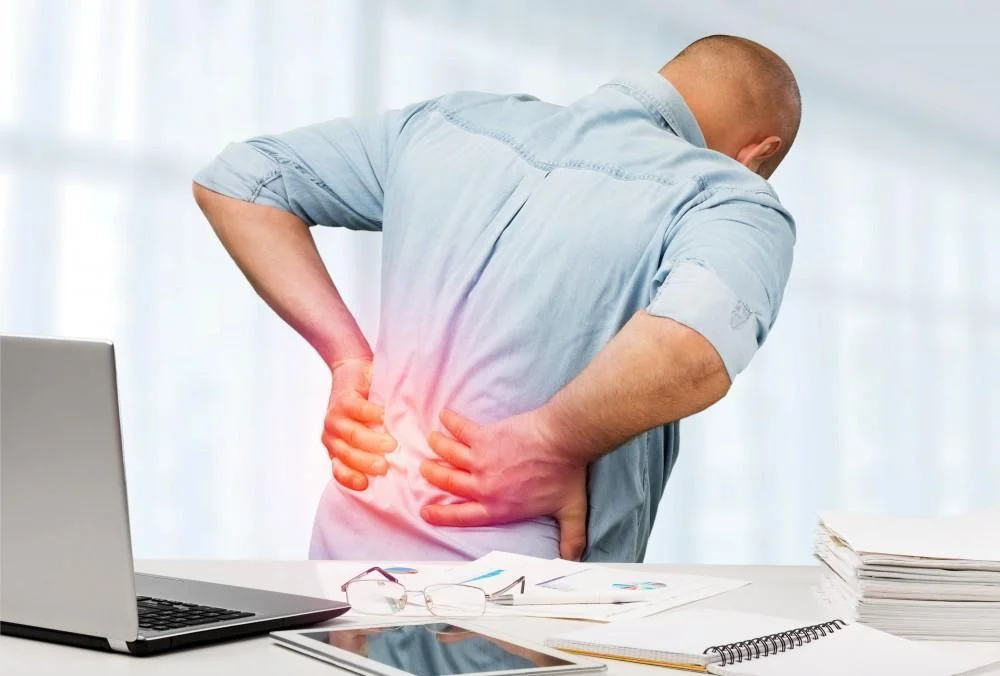
Spondylitis is a condition that affects the spine and can cause persistent back pain, stiffness and reduced mobility. With changing lifestyles, prolonged sitting, poor posture and limited physical activity, complaints related to neck and back discomfort are becoming increasingly common. Although occasional back pain may result from muscle strain or fatigue, persistent pain and stiffness should not be ignored.
Spondylitis refers to inflammation of the vertebrae and related spinal structures. Depending on the type and severity, it can affect the neck, upper back or lower back. Some forms are associated with age-related degeneration, while others develop because of inflammatory or autoimmune conditions. Early diagnosis, appropriate treatment and regular physical activity can help manage symptoms and improve quality of life.
What Is Spondylitis? Understanding Its Different Types
Spondylitis is a broad term used for inflammatory conditions affecting the spine. It is important to distinguish it from spondylosis, which generally refers to age-related degenerative changes in the spinal discs and joints.
Some common types include:
- Cervical spondylosis: A degenerative condition affecting the neck region, which may cause neck stiffness, shoulder pain and headaches.
- Ankylosing spondylitis: A chronic inflammatory condition that primarily affects the spine and sacroiliac joints. It can cause persistent lower back pain and stiffness.
- Thoracic spondylosis: Degenerative changes affecting the middle portion of the spine.
- Lumbar spondylosis: Age-related changes in the lower back that may cause pain, stiffness and sometimes nerve-related symptoms.
Understanding the specific condition is essential because treatment depends on its underlying cause.
Common Symptoms That Should Not Be Ignored
Symptoms of spondylitis can develop gradually and vary from person to person. Some individuals experience occasional discomfort, while others may struggle with persistent pain and restricted movement.
Common warning signs include:
- Persistent neck or back pain.
- Stiffness, particularly after waking up.
- Difficulty bending, twisting or turning the neck.
- Pain spreading towards the shoulders, arms or legs.
- Tingling, numbness or weakness in the limbs.
- Reduced flexibility and difficulty maintaining posture.
In inflammatory conditions such as ankylosing spondylitis, back pain may improve with exercise but worsen after prolonged rest. Morning stiffness lasting for an extended period can also be an important warning sign.
FCRF Launches Certified Chief Risk Officer (CRO) Program for India’s Risk Leaders
Major Causes and Risk Factors
Several factors can contribute to spinal problems. Age-related wear and tear is one of the common causes of degenerative spinal conditions. Over time, spinal discs may lose hydration and flexibility, while joints can develop changes that cause discomfort.
Other contributing factors include:
- Prolonged sitting and poor posture.
- Lack of regular exercise.
- Genetic predisposition to inflammatory conditions.
- Previous spinal injuries.
- Excess body weight.
- Repetitive physical strain.
- Certain inflammatory and autoimmune disorders.
In ankylosing spondylitis, the immune system plays a role in causing inflammation. The condition is associated with the HLA-B27 genetic marker, although not everyone carrying this marker develops the disease.
Treatment, Prevention and Lifestyle Changes
Treatment depends on the type of spondylitis, the severity of symptoms and whether nerves or other structures are affected. Doctors may recommend pain-relieving or anti-inflammatory medicines, physiotherapy and specific exercises. People with inflammatory spondylitis may require specialised treatment, including biologic medicines, under medical supervision.
Regular physical activity is particularly important for maintaining spinal flexibility and strengthening supporting muscles. Walking, swimming, gentle stretching and posture-improvement exercises can help reduce stiffness.
Simple lifestyle changes can also support spinal health:
- Avoid sitting continuously for long periods.
- Maintain proper posture while working on computers.
- Take regular movement breaks.
- Use a supportive chair and an appropriate pillow.
- Maintain a healthy body weight.
- Avoid smoking.
- Follow a regular exercise routine recommended by a healthcare professional.
Sudden limb weakness, difficulty walking, loss of bladder or bowel control, or numbness around the groin requires urgent medical assessment.
Conclusion
Spondylitis can affect everyday activities, mobility and overall quality of life if left unmanaged. Recognising early symptoms, identifying the underlying condition and following appropriate medical treatment can help prevent complications. Maintaining an active lifestyle, improving posture and seeking timely medical advice are important steps towards better spinal health.

