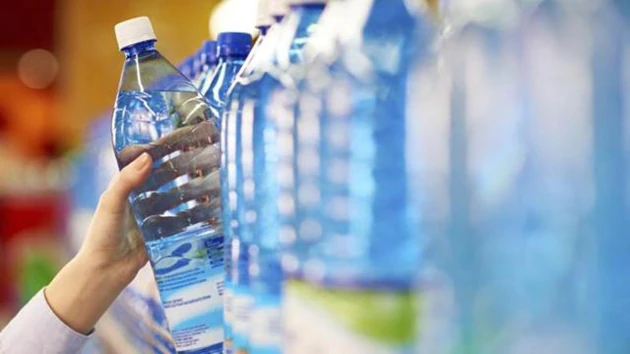
Lucknow: The Uttar Pradesh Food Safety and Drug Administration (FSDA) has tightened its enforcement measures to ensure the quality of packaged drinking water and prevent violations of food safety standards. Under the new directive, newly established packaged drinking water and packaged mineral water manufacturing units in the state will receive a food safety licence or registration only after obtaining certification from the Bureau of Indian Standards (BIS). Existing units will also be required to secure certification within the prescribed deadline, failing which their licences or registrations will be suspended and production will have to stop.
According to the order issued by FSDA Commissioner Dr Roshan Jacob, the new arrangement has come into immediate effect across Uttar Pradesh. It will also cover manufacturing units operating under central food safety licences within the state. The 968 existing units have been given until March 31, 2027, to obtain BIS certification. Units that fail to meet the deadline will not be permitted to continue production.
The move follows serious quality concerns identified during inspections and laboratory testing of packaged drinking water samples. Over the past year, the FSDA inspected 811 packaged drinking water and packaged mineral water manufacturing units across the state. Of the 660 samples collected during the inspections, 176 were found unsafe for consumption and 337 failed to meet prescribed quality standards. In total, 513 samples did not comply with the required standards.
Harmful Microorganisms Found in Water Samples
Laboratory examinations of unsafe samples detected microorganisms such as E. coli, coliform bacteria, yeast and mould. Inspectors also identified deficiencies in water purification systems at some facilities, while other units were found to be violating hygiene and storage requirements. Samples classified as substandard showed lower-than-normal levels of minerals, including calcium and magnesium.
Following these findings, the FSDA suspended the licences or registrations of 152 units. Production at the affected facilities has been ordered to remain suspended until the necessary corrective measures are completed. The department has also recommended the suspension of licences held by 55 units operating under central licences.
Contaminated drinking water can pose significant health risks. E. coli infection may cause intestinal illness and diarrhoea and, in certain cases, can lead to serious kidney complications. The presence of coliform bacteria can indicate problems with water hygiene and possible contamination. Yeast and mould may also cause health-related problems. Maintaining proper standards during water treatment, packaging, storage and distribution is therefore essential to ensuring consumer safety.
BIS Certification to Strengthen Quality Control
By linking BIS certification to the issuance of food safety licences, the state government aims to strengthen quality control among packaged drinking water manufacturers. Existing units have been given time to obtain certification, but those failing to meet the prescribed requirements by the deadline risk losing permission to operate.
The certification requirement is expected to increase pressure on manufacturers to comply with applicable quality and hygiene standards. The department’s inspections and enforcement measures are intended to address deficiencies in production facilities and improve the safety of packaged drinking water supplied to consumers.
Alongside its action against water manufacturers, the FSDA has intensified inspections of facilities used for artificial fruit ripening. The campaign has focused on compliance with food safety regulations, licensing requirements, cleanliness and the proper handling of fruits, particularly bananas.
311 Ripening Chambers Inspected, 25 Found Without Licences
During the statewide inspection drive, officials examined 311 fruit-ripening chambers. Of these, 25 establishments were found operating without valid food safety licences. More than 132 establishments were issued improvement notices for violations of regulations and other deficiencies identified during inspections.
Officials examined the ripening process, cleanliness of premises, storage and handling of fruits, hygiene of trays used at the facilities and compliance with departmental guidelines. Several centres were found to have unhygienic conditions, unclean trays and inadequate maintenance of their premises.
Operators were instructed to address the deficiencies immediately and comply with the prescribed food safety requirements. The department’s action also highlighted the importance of obtaining valid licences before operating commercial fruit-ripening facilities.
More Than Five Quintals of Bananas Destroyed
During the campaign, more than five quintals of bananas that failed to meet the required quality standards were destroyed. The department directed operators to follow prescribed procedures for fruit ripening and maintain proper cleanliness at their facilities.
The hygiene of trays and other equipment used in ripening chambers was a key focus of the inspections. Officials emphasised regular cleaning, safe storage and handling of fruits, and adherence to the prescribed procedures. Action was also taken against establishments found operating without valid food safety licences.
The two enforcement drives reflect the FSDA’s wider effort to strengthen compliance with food safety regulations across Uttar Pradesh. While BIS certification is being made mandatory for packaged drinking water manufacturers within the stipulated framework, inspections of banana-ripening facilities are focusing on licensing, hygiene and quality standards.
Through these measures, the department aims to improve regulatory compliance and reduce the risks associated with unsafe drinking water and improperly handled fruits. Existing water manufacturers have until March 31, 2027, to obtain BIS certification, while fruit-ripening centres have been directed to rectify the shortcomings identified during inspections.